New electronic health record: ok from the National Council (cross-border guide)
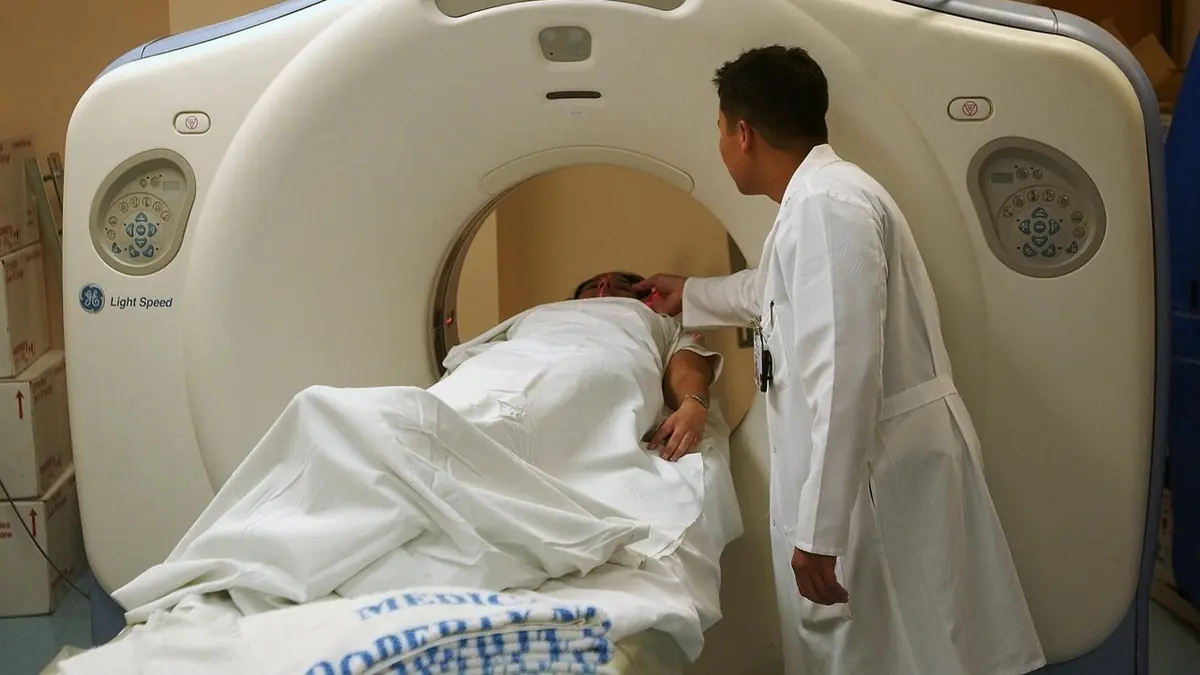
The law for the new electronic health record in Switzerland has been approved. It will replace the previous infrastructure by 2030.
Context
In brief
- The National Council has approved a new health law
- The electronic health record (EHR) is born
- It will replace the previous computerized patient record
- Introduction planned by 2030 by the Federal Council
Key facts
- Votes in favour: 134
- Votes against: 53
- Abstentions: 10
- Restructuring deadline: by 2030
- Management and financing: Cantons
Following the disappointing results of the computerized patient record, defined by many as a genuine fiasco due to a complex structure and a burdensome opening process that held back its use well below expectations, the National Council has decided to give a new impetus to the digitalization of the Swiss healthcare sector. Meeting to debate the future of medical data in the Confederation, the plenum approved a new law aimed at introducing the electronic health record. The dossier now moves to the Council of States for the subsequent legislative stages provided for by the federal legal system.
…
Operational details
Coinvolgimento dei professionisti e modello automatico
A differenza del precedente sistema, la nuova normativa stabilisce che tutti i professionisti della salute dovranno obbligatoriamente partecipare al sistema della cartella sanitaria elettronica. L'obbligo non riguarderà più soltanto gli ospedali e gli istituti di cura, già tenuti a collegarsi, ma verrà esteso a medici, farmacisti, fisioterapisti e a tutti gli altri fornitori di prestazioni ambulatoriali che emettono fatture a carico dell'assicurazione obbligatoria delle cure medico-sanitarie. Questo ampliamento della platea mira a sfruttare appieno il potenziale tecnologico dello strumento digitale raccogliendo un volume di dati clinici completo e omogeneo su tutto il territorio nazionale svizzero.
Un altro aspetto centrale della riforma riguarda le modalità di adesione per la popolazione residente. La cartella elettronica non dovrà essere richiesta attivamente dai singoli cittadini: ogni persona domiciliata in Svizzera la riceverà in modo automatico e totalmente gratuito. Ciononostante, il principio della volontarietà d'uso rimarrà pienamente garantito. Chiunque non desideri disporre della cartella sanitaria elettronica potrà infatti opporsi alla sua apertura iniziale o richiederne la completa eliminazione in qualsiasi momento, avvalendosi della clausola di esclusione volontaria. In questo modo, i pazienti manterranno la piena e incondizionata sovranità sui propri dati personali e clinici, conservando il potere decisionale assoluto su chi potrà accedere alle informazioni e su quali sezioni specifiche consultare.
…
Key points
Security debate and political skepticism
Despite the large majority vote in the National Council, the project was not free from criticism and concerns raised by a parliamentary minority, particularly among the ranks of the Swiss People's Party (SVP). Representatives of this faction, while agreeing on the underlying goals of health improvement, raised strong doubts regarding the clarity of the actual costs of the operation and the security of the model based on automatic exclusion. According to the critical arguments presented in parliament, the approach providing for automatic enrollment unless explicitly opposed amounts to a mechanism where silence is taken as consent on extremely sensitive data, for which it would instead be appropriate to require a prior and explicit expression of intent from the individual.
Also targeted by critics was the choice to focus on a large-scale centralized infrastructure, considered a complex and potentially risky federal IT project. The danger of vulnerabilities to cyberattacks by hackers was highlighted, alongside the possibility of human errors in managing such an extensive system. Health Minister Elisabeth Baume-Schneider responded to these concerns, assuring that data security represents an absolute and unquestionable priority for the executive. The Federal Councillor reiterated the institutional commitment to delivering a technological tool that is fully worthy of citizens' trust, balancing the efficiency of digitization with the rigorous protection of privacy.
…
Frequently Asked Questions
- What is the electronic health record approved by the National Council?
- This is a new law aimed at introducing the electronic health record, which will replace the previous computerised patient record. The objective of the reform is to collect in a single digital place all relevant clinical information, such as consultation reports, discharge reports, vaccinations, medications and laboratory values, without barriers related to home or place of care.
- What are the deadlines and methods of accession for citizens?
- The Federal Council plans to complete the radical reorganisation by 2030. Every person domiciled in Switzerland will receive the folder automatically and completely free of charge. However, the principle of voluntary use remains guaranteed: those who do not want it can oppose its initial opening or request its complete elimination at any time.
- Which health professionals are required to participate?
- Unlike the previous system, the new legislation establishes that all health professionals must participate in the system. The obligation applies not only to hospitals and care institutions, but is extended to doctors, pharmacists, physiotherapists and all other providers of outpatient services who issue bills for compulsory health care insurance.
Related articles
- All articles: Health and insurance
- Il sì del Nazionale alla cartella sanitaria elettronica e Mercosur
- Guida al sistema sanitario svizzero LAMal: obbligo, scelta della cassa, franchigia e rimborsi.
- Voto elettronico nel Cantone di Neuchâtel
- Voto elettronico per svizzeri all'estero: Kolly propone priorità per residenti
- Sistema sanitario svizzero LAMal nel Canton Vaud 2026