Switzerland and electric cars: positions, charging and taxes
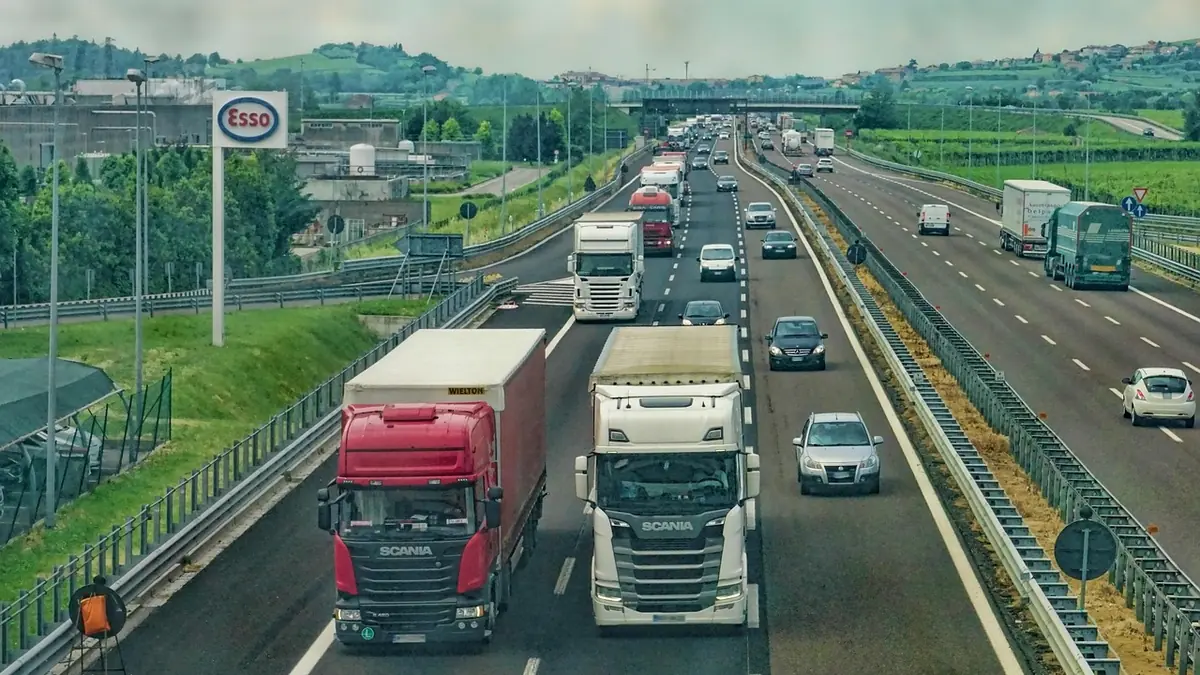
In mid-2026, Switzerland ranks 16th in Europe for the electrification of cars. One quarter of new registrations are electric.
Context
In brief
- Switzerland is in 16th place in mid-2026.
- Electric vehicles account for a quarter of new registrations.
- In August, the electric share reached 30%.
- In some places, an electric SUV costs up to 1000 francs more per year.
Key facts
- Interviewee → Helmut Ruhl, CEO of Amag
- Location → Aarau
- European ranking → fifth in 2019; 13th at the end of 2025; 16th in mid-2026
- Share this year → a quarter of new registrations
- August → 30% of new registrations were purely electric
- Tax difference → up to 1000 francs more per year for an average electric SUV
- Survey → 84% of Swiss people prefer German car manufacturers
AARAU – In mid-2026, Switzerland fell to 16th place in the European comparison of vehicle electrification. This is the view of Helmut Ruhl, CEO of importer Amag, in an interview published by Aargauer Zeitung. In 2019, the country was in fifth place; at the end of 2025, it was 13th. The sequence shows a relative decline: the market is progressing, but more slowly than many other European countries.
The paradox highlighted by the manager is the rise in gasoline prices while Switzerland remains a stronghold of the combustion engine. According to Ruhl, a quarter of new registrations this year concern purely electric cars. In August, the share reached 30%, and in September it was even higher. High fuel prices, says the importer of the Volkswagen, Audi, Skoda, Seat and Cupra brands, are contributing to additional demand.
Conditions holding things back
In Ruhl’s view, the barriers instead lie in the framework conditions, which he defines as contradictory. Many people live in rented accommodation or in condominiums without having the right to a charging option. Public parking facilities also lack infrastructure. The cantons also apply different incentives regarding motor vehicle taxes. In some places, a mid-range electric SUV ends up costing up to 1000 francs more per year in taxes than a comparable gasoline-powered car.
According to the interviewee, electric mobility has nevertheless gained momentum recently. The shift from gasoline to electric is thus caught between growing demand and conditions that remain uneven.
«This cannot be», Ruhl concludes.
For those living in Switzerland, the comparison therefore concerns not only the price of gasoline: it includes available charging and the annual burden of vehicle taxes. These are items to consider also in costo della vita in Svizzera.
Operational details
The comparison that varies from canton to canton
For those living in Switzerland, the choice of an electric car is based on three separate checks. The first concerns charging. For those who live in rented accommodation or a condominium, the absence of a right to charge can make the availability of public parking spaces decisive. If the infrastructure is lacking there too, the price of gasoline is not the only factor in the decision: the practical possibility of using the car every day also matters.
Charging, taxes and brand
The second check is the motor vehicle tax. Ruhl points out that the Cantons apply different incentives. The comparison must be made between vehicles in the same segment and based on annual expenditure: in some places, a mid-range electric SUV can cost up to 1000 francs more in taxes than a comparable gasoline car. This figure describes an annual difference and not the vehicle's purchase price.
| Item | Indication from the source |
|---|---|
| Fuel prices | Rising |
| Vehicle tax | Different incentives among the Cantons |
| Mid-range electric SUV | Up to 1000 francs more per year in some places |
| Charging | Right absent in many cases; inadequate infrastructure in public parking spaces |
The third element is the brand. Chinese competition is growing, but Ruhl believes that European manufacturers are well positioned. The survey cited in the interview indicates that 84% of Swiss people prefer German car manufacturers for electric cars as well. For consumers, this figure should be read as an indicator of preference, not as a ranking of models.
The discussion also has an industrial dimension. Ruhl argues that Europe must reconcile climate protection with the competitiveness of the automotive industry. He supports tariffs and local production requirements as a response to what he considers unequal competitive conditions with Beijing. He recalls that China has already worked with tariffs, local production obligations and joint ventures. His proposal concerns European industrial policy and should be kept distinct from the comparison between the annual tax on an electric car and that on a gasoline car. To organize the tax items in the budget, calcolatore imposte can be used.
Useful tools to protect your net income
To reduce FX leakage, compare CHF-EUR exchange options and banks for cross-border workers.
Key points
A comparison procedure
To turn the elements of the interview into a concrete choice, it is advisable to follow a simple sequence. The order helps avoid starting from the price of gasoline alone and separate local conditions from brand preferences.
Five checks before choosing
1. Start with the residence. Indicate whether the parking space is associated with a rented accommodation or a property divided into floors. The source notes that many people in these circumstances are not entitled to a charging option. The first check is therefore actual access to charging.
2. Check public parking. If private charging is unavailable, check the infrastructure at the public parking facility used. The source points out that the infrastructure is lacking there too.
3. Compare the vehicle tax. Collect the figure applied by the Canton and compare a mid-range electric SUV with a comparable gasoline car. In some places, the difference reaches 1000 francs per year to the disadvantage of the electric vehicle. Do not extend this amount to all Cantons: the point is the variety of incentives.
4. Note the market trend. Use the quarter of new electric registrations in the current year, the 30% in August and the even higher September figure as separate indicators. You can set these milestones alongside fifth place in 2019, 13th at the end of 2025 and 16th in mid-2026.
5. Assess the brand and keep the issues separate. The 84% found in the survey concerns the preference for German manufacturers. The proposal for tariffs and local-production requirements, by contrast, concerns Ruhl's position on Europe and competition with Beijing.
The final result must keep available charging, the cantonal tax, comparison between comparable vehicles and demand trends distinct. To translate these items into a personal budget, use the calcolatore stipendio.
Source: tio.ch
Frequently Asked Questions
- Where is Switzerland in the European comparison on electric cars in mid-2026?
- In mid-2026, Switzerland fell to 16th place in the European comparison on the electrification of cars, as supported by Helmut Ruhl, CEO of AMAG. In 2019, the country ranked fifth, while at the end of 2025 it was in 13th place. The share of new registrations of purely electric cars stands at a quarter in the current year, with a peak of 30% recorded in August and an even higher figure in September.
- What are the main conditions holding back electric mobility in Switzerland?
- The main barriers concern framework conditions defined as contradictory. Many people who live in rental or flat property are not entitled to a private top-up option. In addition, infrastructure is lacking in public car parks. Added to this are cantonal differences in motor vehicle taxes: in some places, a mid-range electric SUV comes to cost up to CHF 1000 per year more in taxes than a comparable petrol car.
- What is the preference of Swiss consumers for car brands?
- According to a survey cited in the interview with Helmut Ruhl, 84% of Swiss prefer German car manufacturers also with regard to electric vehicles. This data highlights a strong local consumer preference for German brands over Asian or Chinese competition.
Related articles
- All articles: Franc and prices
- Auto elettriche in Svizzera: la discesa nella classifica europea secondo Amag
- Di più Auto: mercato del nuovo non decolla, svizzeri preferiscono l'usato
- Auto elettriche: Svizzera scende al 16° posto in Europa
- Auto elettrica o benzina: l'analisi dei costi del TCS
- Nessuna proroga per le garanzie statali alle aziende elettriche