Frontier workers in Lugano: question from the Municipality (cross-border guide)
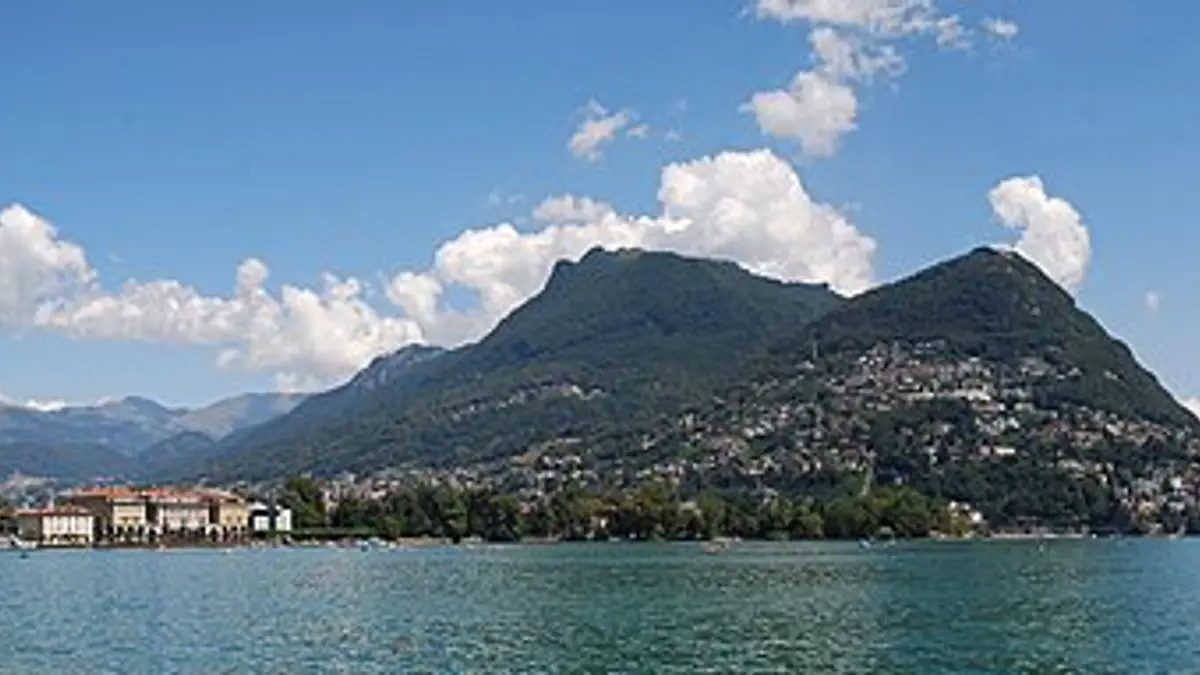
Omar Wicht questions the Municipality of Lugano about the hiring of border workers since 2024. A request for clarity on the number, dicasteries and reasons for the selections in the public sector.
Context
In breve
- Interrogazione del consigliere Wicht (Lega) sulle assunzioni di frontalieri (permesso G) a Lugano dal 2024 al 31 agosto 2026
- Normativa comunale prevede ricorso a manodopera d'oltreconfine solo in "necessità estrema"
- Richiesta dati specifici: numero assunti, dicasteri, funzioni, motivi degli scartamenti di candidati svizzeri
Fatti chiave
- Chi: Omar Wicht, consigliere comunale della Lega
- Cosa: Interrogazione al Municipio di Lugano su assunzioni di frontalieri (permesso G) e cittadini stranieri (permessi B, C, L)
- Quando: Periodo coperto: dal 2024 al 31 agosto 2026
- Dove: Lugano, Canton Ticino
- Regolamento: Ricorso a manodopera d'oltreconfine "unicamente in caso di necessità estrema e comprovata mancanza di candidati idonei residenti"
---
Il consigliere comunale della Lega Omar Wicht ha presentato un'interrogazione al Municipio di Lugano volta a fare chiarezza sull'assunzione di frontalieri e cittadini stranieri presso l'amministrazione comunale. La richiesta copre il periodo dal 2024 al 31 agosto 2026 e mira a ottenere dati specifici sulla gestione delle risorse umane in ambito transfrontaliero, un tema sensibile nel mercato del lavoro ticinese.
Quale normativa governa le assunzioni?
Il Regolamento organico dei dipendenti di Lugano e il Regolamento comunale stabiliscono un principio fondamentale: il ricorso a manodopera d'oltreconfine deve essere contemplato unicamente in caso di necessità estrema e comprovata mancanza di candidati idonei residenti. Wicht sottolinea che l'amministrazione comunale è finanziata dai contribuenti luganesi e ticinesi e dovrebbe in primo luogo garantire ricadute economiche, sociali e fiscali sul territorio.
…
Operational details
The meaning of "extreme necessity"
The criterion of “extreme necessity” represents a barrier of regulatory protection towards Swiss and resident applicants. It means that a border crossing with a G permit can only access a position at the Lugano municipal administration if no resident candidate is available or eligible for that specific position. In practice, the law pushes the municipalities of Ticino to prioritize the hiring of those who reside in the territory, before resorting to border workers and foreigners.
However, in some technical or specialized professions, the search for suitable resident staff may actually be unsuccessful, justifying the use of border workers. Wicht's question aims to verify whether this principle is applied consistently or whether there are deviations between the regulation and daily administrative practice.
What situation does the question seek clarity
The question does not yet provide concrete numbers — it asks the Municipality to provide them. This means that, at the time of submitting the question, the Municipality may not have made the data on the recruitment of border workers public, or may not have established a transparent procedure to report them. Wicht's question therefore serves as an instrument of democratic control and administrative transparency.
Rights and duties of the hired border worker
If a border crossing with a G permit is
Recommended tools
For an updated estimate, use the net salary calculator and the CHF-EUR exchange comparator.
Key points
If you are a cross-border worker with a G permit and are interested in a position with the Lugano municipal administration or another Ticino municipality, it is important to know the procedures, regulatory constraints and how to navigate the public sector job market.
How to apply to the Ticino public administration
The first thing to do is regularly check the official website of the Lugano municipality (or the municipality of interest) in the "Calls for Tenders" or "Job Offers" section. Public notices must specify the profile sought, professional requirements and application deadlines. Some Ticino municipalities also publish on centralized platforms such as the Ticino Municipalities Conference website or other portals specializing in public announcements.
When you see a notice that interests you:
- Read the requirements carefully (educational qualifications, years of experience, required languages)
- Verify that your G permit is valid for the entire duration of the selection process
- Prepare your application with an updated CV and school/professional certificates
- Transparently declare your status as a cross-border worker with a G permit
Essential documents for applying
Prepare comprehensive documentation from the start:
- Updated curriculum vitae with detailed work experience
- Original and authenticated school certificates
- Valid G permit registration certificate
- Any language certificates, if required by the notice
- Professional references or cover letters, if the notice requires them
It is essential to declare in your application your status as a cross-border worker with a G permit. This fact is not in itself an obstacle, but must be transparent from the beginning of the process.
…
Frequently Asked Questions
- What is the difference between permit G, B and C to work in Switzerland?
- The G permit is issued to border workers who reside in Italy and work permanently in Switzerland, with a generally annual validity. The B permit is issued to those who stay more than 3 months but less than 5 years in Switzerland, while the C permit is for permanent residents over 5 years. In the context of this question, the Municipality of Lugano asked for data on hiring of all three categories at the municipal administration.
- If I am a border worker with a G permit and I work in the Ticino public, how much tax do I pay?
- As a border worker with a G permit hired by a Swiss public body, you are subject to Swiss withholding tax on your paycheck. The withholding tax follows the cantonal and municipal rates of Ticino. You are not double taxed because Italy recognises the employee income tax credit in Switzerland. Remember that health insurance (LAMal) is mandatory in Switzerland, but you have the right of option towards the Italian system.
- Where can I find the calls for tenders for the Ticino public sector?
- Ticino municipalities publish notices on their official websites, in the "Work" or "Administration" sections, and often also on the Municipal Praetorian Register. Some municipalities adhere to centralized platforms managed by the Conference of Ticino Municipalities. Regularly check the site of the municipality you are interested in and subscribe to alerts for new calls.
- What happens if I am rejected from a public contest in Ticino?
- You have the right to request written clarifications on the reasons for the gauge according to the Ticino administrative procedure. If you believe that the decision violates the principle of non-discrimination or the municipal regulation cited by Wicht, you can file an administrative appeal with the competent authorities of the Canton of Ticino within the established deadlines.
- Will Wicht's question lead to changes in hiring rules?
- The question is a parliamentary control tool that obliges the Municipality to provide data and explanations on its administrative management. It does not automatically guarantee regulatory changes, but creates public transparency, which is the first step towards any course corrections if the practices are found to be different from the municipal regulations.
Related articles
- All articles: Jobs and employment
- Cadro, interrogazione sui lavori al posteggio di via Scuole
- Giovani e assistenza sociale a Lugano: i dati preoccupanti
- Nuova moschea a Lugano: interrogazioni e dubbi
- Frontalieri anche come apprendisti? «Non lavorano per la Città di Lugano»
- Le superfici di verde pubblico presenti a Chiasso sono