Bikes: billions in six cycling routes in Varese
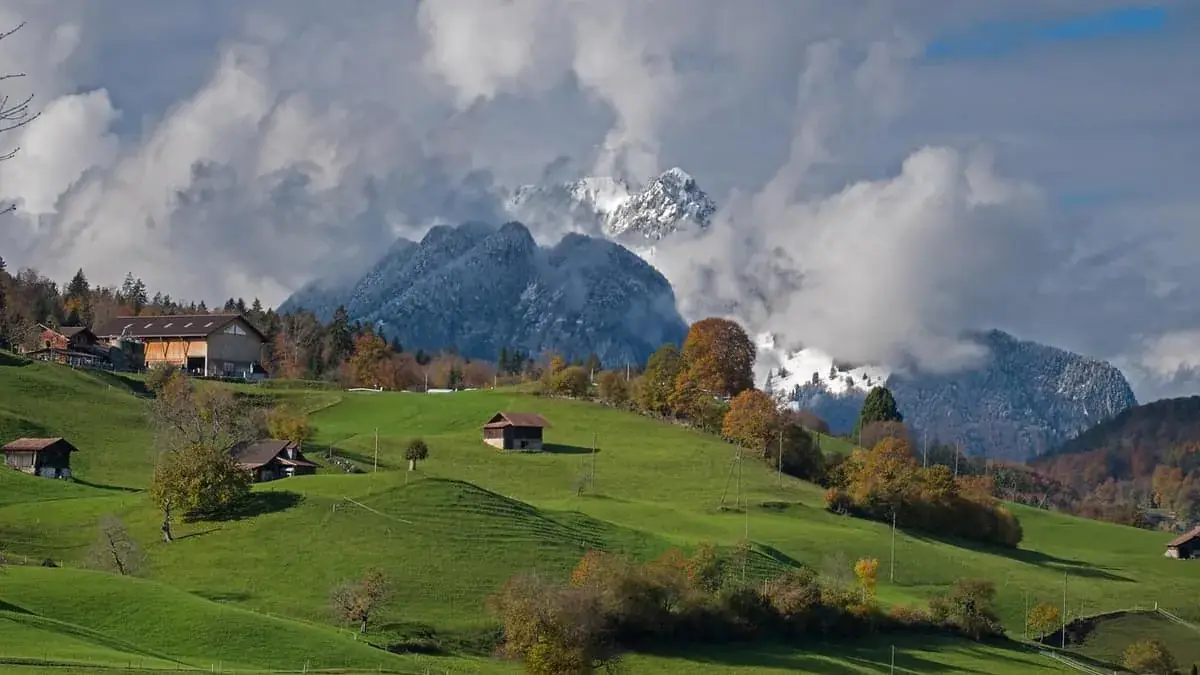
The Lombardy Region is investing tens of millions of euros in cycling paths, with six routes crossing the province of Varese, a strategic hub for cycle tourism.
Context
In brief
- Six cycling routes cross the province of Varese
- Investments amounting to tens of millions of euros
- The bicycle is recognized as a sustainable and inclusive mode of transport
Key facts
- What: Regional cycling mobility plan
- When: Current framework document
- Where: Province of Varese, Lombardy
- Who: Lombardy Region
- Amount: Approximately 40 million euros of PNRR funds
The Lombardy Region is heavily investing in cycling routes, with a plan that includes six main routes crossing the province of Varese. These routes are not just a geographical coincidence but reflect the strategic position of the Varese area as a crossroads between the major north-south routes coming down from Switzerland and the east-west axes of the foothill belt. The lakes of Varese, Maggiore, Comabbio, and Monate constitute a network of premier cyclotourist attractions.
Cycling mobility is no longer a niche choice. In the Lombardy Regional Cycling Mobility Plan, the bicycle is recognized as one of the most sustainable, accessible, and inclusive modes of transport, low-cost and healthy. This aligns with the European Declaration on Cycling Mobility approved by the EU Parliament in April 2024. The bicycle is seen as a structural component of the future transport system, with environmental, economic, and social benefits.
Investments and benefits
From an environmental perspective, the decarbonization of the transport sector is one of the cornerstones of the European Green New Deal and the Fit for 55 package. Reducing dependence on private cars means reducing climate-altering emissions, and the bike is the most immediate and cost-effective tool to do so. Economically, cyclotourism generates nearly 9.8 billion euros in spending in Italy, with a 76% increase compared to the previous year. Those who travel by bicycle are active tourists with good spending power, bringing income to rural areas and villages outside the mass circuits.
Socially, the bicycle is accessible to everyone, does not require a license, has no fuel costs, does not discriminate based on income, and is a public health tool in an era of increasing sedentary lifestyle. The pandemic has accelerated all of this, changing lifestyles and bringing people back outdoors. Safe cycling paths almost automatically translate into new cyclists. The PNRR has provided the financial framework, with Mission 2 allocating specific resources to 'Strengthening Cycling Mobility' to create tourist and urban bike paths throughout the country.
Lombardy is among the main beneficiaries, with approximately 40 million euros of PNRR funds and a total investment in regional bike paths exceeding 146 million euros of the Lombardy Plan. The result is a rapidly growing network: in 2014, the regional cycling paths completed were 61 kilometers, equal to 2% of the planned. In 2022, the navigable network exceeded 2,000 kilometers, equal to 74% of the plan's objectives. A scale jump that reflects a precise political choice: the bicycle is no longer marginal.
Operational details
The six routes crossing the province of Varese
The six cycling routes form an interconnected system. The Ticino (PCIR 1) is the major vertical route: it enters the province at Lavena Ponte Tresa, descends along the lakes and valleys to Sesto Calende and then towards Pavia, drawing one of the most complete cycling routes in northern Italy. The Pedemontana Alpina (PCIR 2) is instead the horizontal backbone: it starts at Sesto Calende, skirts Lake Varese, touches Azzate and continues east through Castiglione Olona and Malnate, before continuing into the province of Como.
Lake Maggiore (PCIR 20) is the most thoroughly Varesino route: 62 kilometers entirely within the province, from the Swiss border at Maccagno to Sesto Calende, along the Lombard shore of the lake. These routes not only improve local mobility but also attract tourists and cyclists from all over Europe, contributing to the local economy.
Impact on cross-border workers
For cross-border workers who live in Italy and work in Switzerland, these cycling routes offer new opportunities for sustainable mobility. The possibility of using the bicycle for daily commutes or leisure time can reduce transportation costs and improve quality of life. Additionally, safe and well-connected cycling routes can make rural areas and villages more attractive, offering new housing options for cross-border workers seeking a quieter and greener environment.
Practical scenarios
Imagine a cross-border worker living in Varese and working in Lugano. With the new cycling routes, they could choose to cycle along Lake Maggiore, enjoying breathtaking scenery and arriving at work in a sustainable way. This would not only reduce their environmental impact but also save on fuel and parking costs. Additionally, they could discover new points of interest along the way, enriching their experience of life in Ticino.
Another scenario could involve a cross-border worker living in Como and working in Mendrisio. Using the Pedemontana Alpina, they could easily reach their workplace by bicycle, avoiding traffic and the costs associated with using a car. This route could also be used for recreational activities, such as hikes or Sunday outings, improving quality of life and overall well-being.
Useful tools to protect your net income
To reduce FX leakage, compare CHF-EUR exchange options and banks for cross-border workers.
Key points
What to do to take advantage of the new cycling routes
For cross-border workers interested in using the new cycling routes, there are some concrete steps to take. First, it's important to gather information about the available routes and their features. The Lombardy Region provides detailed maps and information on regional cycling routes, which can be consulted online.
Practical steps
1. Find out about the routes: Visit the Lombardy Region website to obtain detailed maps and information on cycling routes. 2. Buy the necessary equipment: Make sure you have a bicycle in good condition and the necessary safety equipment, such as a helmet, lights, and reflective clothing. 3. Plan the route: Use the maps to plan the route that best suits your needs, considering the distance, elevation, and points of interest along the way. 4. Check the weather conditions: Before setting off, check the weather forecast to ensure you have safe conditions for cycling. 5. Use the available infrastructure: Take advantage of service stations and refreshment points along the routes to make your journey more comfortable.
Useful tools
To plan your trips as best as possible, cross-border workers can use various online tools. For example, the route calculator can help estimate the distance and time needed to reach your desired destination. Additionally, the cost comparator can be useful for evaluating the savings derived from using the bicycle compared to the car.
Conclusion
The new cycling routes in the province of Varese offer numerous opportunities for cross-border workers who want to improve their quality of life and reduce their environmental impact. Taking advantage of these infrastructures can not only make daily commutes more pleasant but also discover new places and recreational activities. For more information and to plan your trips, cross-border workers can use the tools available on the Frontaliere Ticino website.
Source: varesenews.it
Frequently Asked Questions
- What are the main cycling routes in the province of Varese?
- The main cycling routes in the province of Varese are the Ticino (PCIR 1), the Alpine Foothills (PCIR 2), and Lake Maggiore (PCIR 20). These routes offer strategic connections and top cycling tourism attractions.
- How much has been invested in the creation of cycling routes in Lombardy?
- Lombardy has invested around 40 million euros of PNRR funds and a total investment in regional cycle paths exceeding 146 million euros of the Lombardy Plan.
- What are the benefits of using the bicycle for cross-border workers?
- Using the bicycle for cross-border workers offers numerous benefits, including reduced transportation costs, improved quality of life, and the opportunity to discover new places of interest along the cycling routes.