Electricity reserve: CDF identifies savings of 220 million
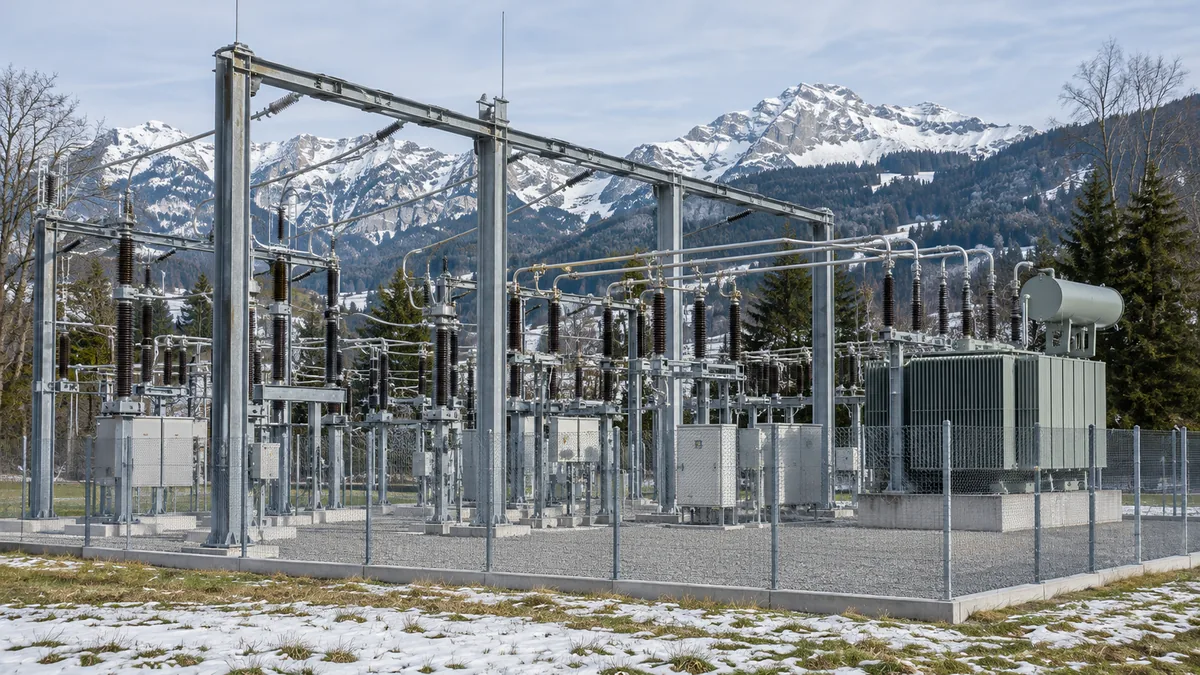
The CDF puts the untapped savings potential in establishing the electricity reserve for the winter at 220 million francs.
Context
TL;DR
- The CDF sees 220 million francs in potential savings
- The plan calls for four power plants starting in 2030
- Planned expenditure is 2,18 billion francs
- The project is pending in Parliament
Key facts
- Potential identified by the CDF → 220 million francs
- Funding planned by the Federal Council → 2,18 billion from 2030
- Planned power plants → four reserve power plants
- Deviation from the recommended minimum → 83 megawatts
- Project status → pending in Parliament
The CDF estimates that 220 million francs in savings potential remains untapped in establishing the winter electricity reserve. The report examines the composition and sizing of the reserve, not the procurement of capacity, which would instead have been carried out cost-effectively.
What the report criticizes
The CDF points to two factors. Emergency generator sets, which the report considers potentially more economical, would not be treated as a type of reserve. In addition, excessive sizing of the reserve generates additional costs. In the audit body's view, less costly alternatives could help avert an electricity shortage and thus fulfill the reserve's main purpose.
At the same time, the Federal Council intends to allocate 2,18 billion francs from 2030 for four reserve power plants. The Government's stated objective is to prevent possible shortages. According to the Government, the costs would be neutral for the federal budget because they would be billed directly to end consumers.
The project remains pending in Parliament. The review by the competent committee of the National Council is contingent on the availability of a new assessment by the Federal Electricity Commission (ElCom) on the security of electricity supply, which the committee expects next spring. The source does not yet indicate a final decision on the type of reserve or its configuration.
Operational details
Comparison of expenditure and potential savings
The CDF's report compares planned expenditure, a potential savings margin and a difference in capacity. These are different quantities: putting them side by side does not mean that the 220 million have already been recovered or that they represent a reduction that has already been decided on.
| Item | Value | Reference in the source |
|---|---|---|
| Potential savings | 220 million francs | CDF |
| Planned expenditure | 2,18 billion francs from 2030 | four reserve power plants |
| Excess over the minimum | 83 megawatts | reserve recommended for 2030 |
Purely arithmetically, 220 million francs amount to approximately 10,1% of the planned 2,18 billion francs. The calculation helps show the proportion between the two amounts, but does not describe savings already realized or change the fact that the project is still pending in Parliament.
For end consumers, the connection documented in the text is direct but limited: the Government expects the costs of the four power plants to be billed directly to them. The source does not specify the allocation method, the share attributable to a single household or company, or the billing date. It is therefore not possible to turn the potential indicated by the CDF into a specific increase in francs for each consumer.
The issue of alternatives
The economic comparison mainly concerns the role of emergency generator sets. In the CDF's view, these are potentially cheaper resources that could help avert a shortage and thus fulfill the reserve's main purpose. According to the UFE, however, the limited possibilities for using the generator sets would prevent that savings potential from being realized.
According to the UFE, these facilities could only supplement the reserve power plants, not replace them. The disagreement therefore concerns the role these generator sets could play in the reserve's overall structure and the resulting sizing of the planned power plants.
Key points
The safety margin and the parliamentary process
The discussion concerns more than just the cost of the various options. The SFAO also notes that the four reserve power plants envisaged in the Federal Council's proposal exceed the minimum level recommended for 2030 by 83 megawatts. To limit expenditure, the audit body adds, available reserves should be sized to the absolute minimum necessary.
However, the Federal Electricity Commission draws attention to risk prevention and to the possibility that the reserve requirement may prove greater at a later stage. The dossier therefore contains two different indications: on the one hand, the request to keep the reserve within the recommended minimum level; on the other, caution linked to a possible greater need.
Renewables and expected assessment
The SFAO also reiterates that growth in renewable energy in line with the targets set could considerably reduce the need for reserves in late winter, to the point of making recourse to reserves unnecessary. The wording is conditional: the source does not claim that this reduction has already occurred, nor does it quantify the possible savings associated with this development.
Politically, the proposal to make the four power plants available is currently pending in Parliament. Before examining the proposal, the competent committee of the National Council wants a new assessment from ElCom on the security of electricity supply. According to the committee, the document is expected next spring.
Several elements therefore remain open: the final choice of reserve types, the final sizing of the power plants, the possible role of emergency generator sets and the outcome of the new ElCom assessment. The text indicates neither a final parliamentary decision nor the amount that would be charged to each end consumer.
Source: rsi.ch
Frequently Asked Questions
- What is the amount of potential savings identified by CDF?
- The Swiss Federal Audit Office (SFAO) identified untapped savings potential of 220 million francs. This assessment specifically concerns the composition and size of the winter electricity reserve, and not the procurement of capacity, which, according to the report, was carried out cost-effectively.
- What are the projected costs for the reserve plants?
- The Federal Council intends to allocate 2.18 billion francs from 2030 onwards for the construction of four reserve power plants. According to the Government, these costs would be neutral for the federal budget, as they would be charged directly to end consumers.
- Why does CDF believe there is room for savings?
- The SFAO identifies two main reasons: the use of emergency generators, considered potentially more economical, which would not be treated as a type of reserve, and excessive sizing of the reserve itself, which would exceed the minimum recommended for 2030 by 83 megawatts.
- What is the current status of the project in Parliament?
- The project is currently pending in Parliament. The competent committee of the National Council has decided to examine it only after a new assessment by the Federal Electricity Commission (ElCom) on security of supply, scheduled for next spring.