Federal Council rejects the UDC initiative on borders (cross-border guide)
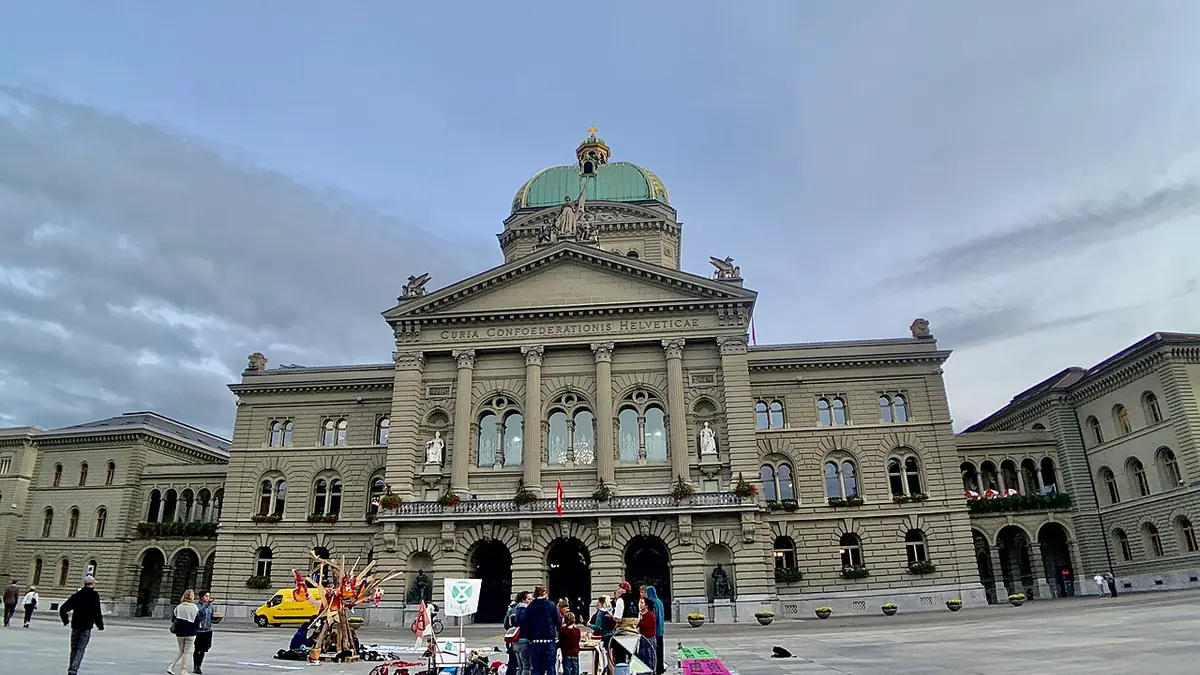
The Federal Council recommends rejecting the UDC initiative on borders. High costs, damage to the economy and risks for Schengen have been detected.
Context
At a glance
- The Federal Council rejects the SVP border initiative
- High costs and damage to the Swiss economy identified
- The executive warns of risks to Schengen and Dublin
- Alternative measures on the way through the European Pact
Key facts
- Initiative: Stop abuses in asylum
- Daily border crossings: 2.2 million
- Cost of leaving Schengen: 5.8 to 16.1 billion
- Maximum asylum limit: 5,000 people
The Federal Council has officially recommended that Parliament reject the popular initiative promoted by the SVP for border protection, formally named Stop abuses in asylum. The Swiss executive expressed a clear rejection of the proposal, highlighting a series of significant critical issues that could affect the entire national territory. According to the government's assessment, the implementation of the new measures would entail very high costs, a deterioration of the country's welfare, a weakening of internal security, and severe damage to Switzerland's traditional humanitarian policy. Furthermore, the executive reiterated that the text would not even be suitable for effectively curbing the phenomenon of irregular migration and cross-border crime. Specifically, the initiative requires systematically controlling all incoming people, fully manning border crossings, and turning back those who do not meet entry conditions, while introducing a maximum cap of 5,000 asylum grants per year. For those staying irregularly, the text requires a notification obligation, the nullity of employment contracts, exclusion from social and health insurance, and the obligation to leave the territory within 90 days.
…
Operational details
Security and Schengen Consequences
A central aspect of the analysis conducted by the Federal Council concerns the strategic link between Switzerland and European cooperation agreements. Accepting the initiative would concretely jeopardize the Confederation's association with the Schengen and Dublin system. The potential abandonment of this regulatory and security framework would weaken the country's internal protection, as Switzerland would lose immediate access to shared European search databases. Furthermore, Swiss authorities would find themselves in a position of having to independently re-examine all applications rejected by other Dublin member states, without retaining the power to transfer applicants to the competent European countries. This situation would lead to a significant and predictable increase in the number of applications handled directly at the national level. To support this assessment, the government cites an official report commissioned by the National Council, according to which the annual costs resulting from the abandonment of Schengen and Dublin would range between a minimum of 5.8 billion and a maximum of 16.1 billion Swiss francs.
…
Key points
Legislative Outlook and Cantonal Interventions
Despite the strongly negative opinion expressed by the Federal Council regarding the SVP popular initiative, the executive branch and cantonal administrations agree on the need to implement targeted reforms in the migration management sector. In this scenario, the Federal Department of Justice and Police has initiated preparatory work to define, in close collaboration with the Cantons, new legislative amendments. The primary objective of these regulatory interventions is to tangibly relieve the national asylum system and overall raise security levels within the sector. The Cantons and federal authorities therefore continue to monitor the evolution of the regulatory framework, evaluating alternative administrative tools to address the challenges related to migration flows without compromising economic balances and the free movement of cross-border commuters. Final decisions will now be submitted to the Federal Parliament, which will have to discuss the rejection recommendation formulated by the executive and schedule the next institutional steps.
…
Frequently Asked Questions
- Why is the Federal Council rejecting the border initiative?
- The Federal Council has recommended to Parliament to reject the popular initiative promoted by the UDC called Stop Abuses in Asylum. According to the Swiss government, the implementation of the new measures would entail very high costs, a deterioration of the country's well-being, a weakening of internal security and serious damage to traditional humanitarian policy. The government also highlights that the Confederation registers about 2.2 million border crossings daily and the presence of hundr
- What are the risks related to Schengen and Dublin according to the government?
- Acceptance of the initiative would concretely endanger the association of the Confederation with the Schengen and Dublin systems. The abandonment of this regulatory framework would cause Switzerland to lose immediate access to shared European research databases, weakening internal protection. In addition, the Swiss authorities should independently review all applications rejected by the other Dublin participating States, without being able to transfer applicants to the relevant countries. The es
- What are the main details required by the text of the initiative?
- The initiative requires to systematically check all incoming people, to fully guard the crossings and to reject those who do not meet the access conditions. It also provides for the introduction of a maximum ceiling of 5000 asylum grants per year. For people staying illegally, the text requires the obligation to notify, the nullity of employment contracts, exclusion from social and health insurance and the obligation to leave the territory within 90 days.
Related articles
- All articles: Border and customs
- Consiglio federale: no all'Iniziativa sulla piazza finanziaria
- Iniziativa Bussola: il Governo propone di bocciarla
- Dopo Ceuta e Melilla «il Consiglio federale deve introdurre controlli sistematici alle frontiere»
- Governo svizzero respinge iniziativa alimentazione
- La Svizzera invia un segnale a favore dell'Europa e dell'economia