EU tariff of 3 euros: Swiss Post parcels drop
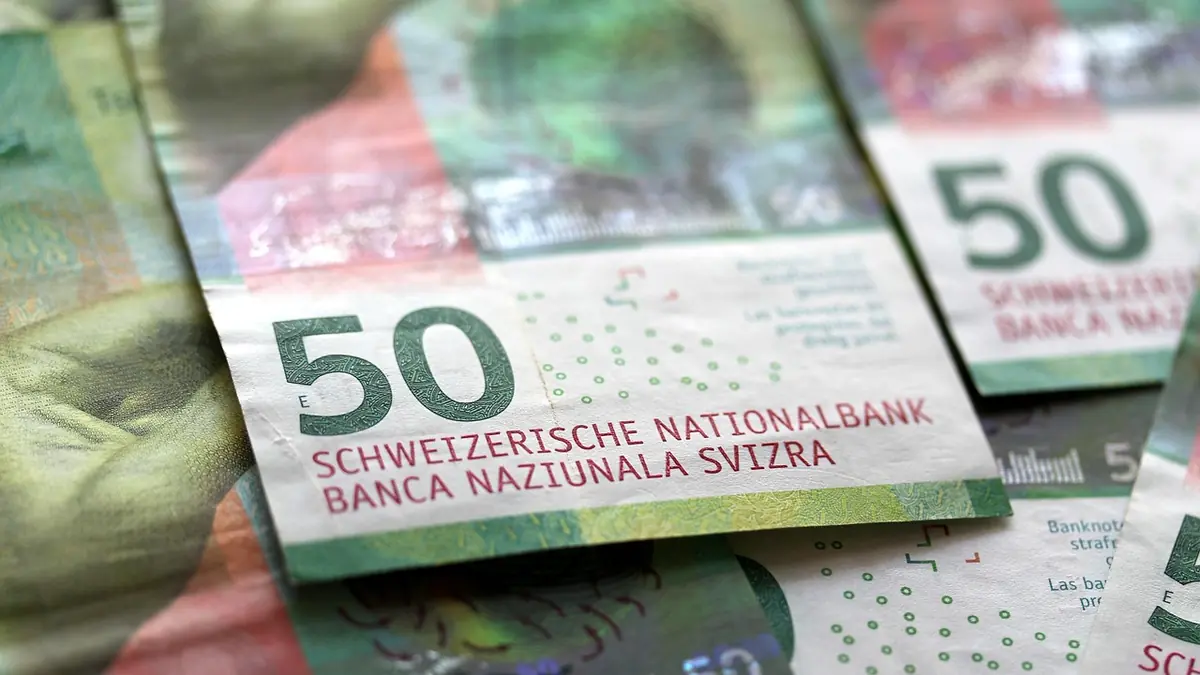
EU customs duty of 3 euros per item: Swiss Post parcels to the Union plunge to double digits. China’s share rises from 6% to 11% in ten years.
Context
In Brief
- EU tariff: €3 per item from third countries
- Parcels to the EU drop by double digits
- Chinese parcel share from 6% to 11% in ten years
Key Facts
- Tariff: €3 per item
- Scope: Parcels from third countries
- Decline: in the order of a double-digit percentage
- CEO: Pascal Grieder
- Additional volume: 100 million parcels per year compared to ten years ago
The flat-rate tariff of €3 per item introduced by the European Union on parcels from third countries has had repercussions for Swiss Post. The number of parcels shipped to the EU has dropped "in the order of a double-digit percentage," Keystone-SDA reports, based on an interview with CEO Pascal Grieder in Schweiz am Wochenende.
The 49-year-old manager, however, does not consider the reduction to be definitive. According to Grieder, the situation should normalize at least partially. His assessment is based on similar experiences with the United States, where the effects were stronger initially. The reference therefore separates the initial impact from the possible subsequent evolution of shipments to the European Union.
Doubts about the effectiveness of the tariff
Grieder expressed skepticism about the €3 tariff imposed by Brussels. In his opinion, the measure might not achieve its goal of protecting the market from Chinese imports. The reason given in the interview concerns the logistics of large companies like Temu, a Chinese online discounter.
Temu, the Swiss Post CEO notes, is building large warehouses in Europe and can ship parcels from those facilities. In this way, according to his interpretation, the company is circumventing the tariff. This reasoning shifts the focus from the individual package to the route chosen to deliver it to the customer: the tariff affects shipments from a third country, while shipments from a European warehouse follow a different configuration.
The size of the market is also reflected in Swiss Post's overall volumes. Today, the company transports 100 million more parcels annually than it did ten years ago. Grieder divides this increase into three groups: 60 million parcels from large European suppliers, 20 million from small shops, and another 20 million from Chinese parcels.
The share of Chinese parcels in total volume has risen from 6% to 11% in ten years. These are the figures used in the interview to describe the growth of that segment, alongside the double-digit decline in shipments to the EU. The picture reported by ATS therefore combines long-term growth in overall volumes with a decline in shipments to the EU following the introduction of the tariff.
Operational details
For those living in Switzerland, the first check concerns the scope of the news. The measure cited is a flat-rate fee on parcels coming from third countries, while the traffic figure reported by Grieder concerns parcels shipped to the EU. The double-digit decline must therefore be associated with that route; the Post's overall volume is described separately, with an increase of 100 million parcels per year compared with ten years ago.
How to read the numbers without confusing them
The first comparison is between different units. The 3 euros are stated per item; the 100 million are additional parcels transported each year compared with ten years ago. The first figure describes the fee, the second the growth in total volumes. Putting them on the same level would lead to an imprecise reading. To compare the amount expressed in euros with the CHF/EUR exchange rate, comparatore CHF/EUR may serve as a separate step.
| Element | Reported data |
|---|---|
| Duty | 3 euros per item |
| Route affected by the decline | Shipments to the EU |
| Share of Chinese parcels ten years ago | 6% of total volume |
| Share of Chinese parcels today | 11% of total volume |
| Possible development | Partial normalization |
The table also helps keep the time frames distinct. The Chinese share is compared over ten years; the collapse in shipments to the EU is linked to the introduction of the tariff; normalization is the forecast made by the CEO based on experience with the United States. These are three different dimensions, even though they concern the same parcel market.
The role of European warehouses
The Temu case adds a second element of analysis. If the goods leave from a warehouse in Europe, the tariff on parcels coming from third countries can be circumvented, according to Grieder. For the reader, the point to check is therefore the route indicated: the source links the Chinese platform with warehouses in Europe and the dispatch of parcels from there.
The most cautious reading is limited to the available data: the initial effect on the route to the EU was strong, but the CEO expects a possible partial recovery and points out that European warehouses can change how the tariff affects flows.
Useful tools to protect your net income
To reduce FX leakage, compare CHF-EUR exchange options and banks for cross-border workers.
Key points
An operational reading can start from five checks. No assumptions on total traffic are needed: just follow the categories used in the interview.
Five steps to find your way
1. Identify the destination. The news concerns parcels sent to the European Union. This is the first filter to understand whether the case falls within the double-digit drop data. 2. Verify the origin of the parcel. The flat-rate fee mentioned by Brussels concerns parcels coming from third countries. This distinction must be kept separate from the nationality of the platform selling the product. 3. Read the calculation unit. The indicated amount is 3 euro per item. It must not be confused with the 100 million more parcels carried annually by Swiss Post compared to ten years ago: these are different measures. 4. Consider the logistic route. Temu's example shows that warehouses in Europe can allow bypassing the fee. For this reason, the place from which the parcel departs is decisive information in reading the case. 5. Separate the initial effect from subsequent expectations. Grieder predicts a partial normalization and recalls the United States, where the impact was stronger at the beginning. This is the scenario indicated by the interview, not a new volume figure.
A useful check for the budget
Anyone reading a shipment can separately note the euro amount, destination, and origin of the parcel. In this way, the 3 euro data remains tied to the item and is not automatically added to Swiss Post's general numbers or the share of Chinese parcels. The share has risen from 6% to 11% of the total volume in ten years, but that comparison describes the weight of the Chinese segment, not the cost of the single shipment.
To put this item alongside other personal expenses, you can consult the cost of living in Switzerland. The tool does not replace reading the customs procedure, but helps keep the news data separate from budget evaluations.
The source thus offers a practical rule: do not use a single number to describe different phenomena. The duty is per item, the drop concerns parcels to the EU, the 6% and 11% share concerns Chinese parcels on the total volume, while the 100 million measure the increase in parcels transported compared to ten years ago.
To link this item to your monthly budget, use the salary calculator.
Source: swissinfo.ch
Frequently Asked Questions
- What is the customs tariff mentioned in the article?
- The European Union has introduced a flat-rate customs tariff of 3 euros per item on packages from third countries. Pascal Grieder, CEO of Swiss Post, said he was skeptical of the measure's effectiveness in protecting the market from Chinese imports. According to him, companies like Temu can build warehouses in Europe and ship from there, circumventing the tariff.
- How much have postal shipments to the EU decreased?
- According to Grieder, the number of packages shipped to the European Union has dropped by a double-digit percentage. However, the CEO believes the situation may be partially normalizing, echoing similar experiences with the United States, where the effects were initially more severe.
- How has the share of Chinese parcels changed?
- The share of Chinese parcels in Swiss Post's total volume has risen from 6% to 11% in ten years. Grieder also notes that the company now transports 100 million more parcels annually than it did ten years ago. Of these, 60 million come from large European suppliers, 20 million from small shops, and another 20 million from Chinese parcels.
- What role does Temu play in Grieder's explanation?
- Temu is cited as an example of a Chinese online discounter building large warehouses in Europe. If packages are shipped from those facilities, according to Grieder, the tariff on packages from third countries can be circumvented. Therefore, the CEO doubts that the €3 per item tariff alone will be enough to protect the market from Chinese imports.
Related articles
- All articles: Franc and prices
- Dazi UE sui pacchi: impatto sulla Posta svizzera
- Temu e SKV: favorire accesso PMI svizzere a mercato in rete
- Mammut passa a un investitore cinese: i dettagli della vendita
- Svizzera-Cina, svolta storica: verso l'addio ai dazi sull'export elvetico
- Interinali, indennità per intemperie dopo sei mesi