Why cross-border workers pay more for fuel in Ticino
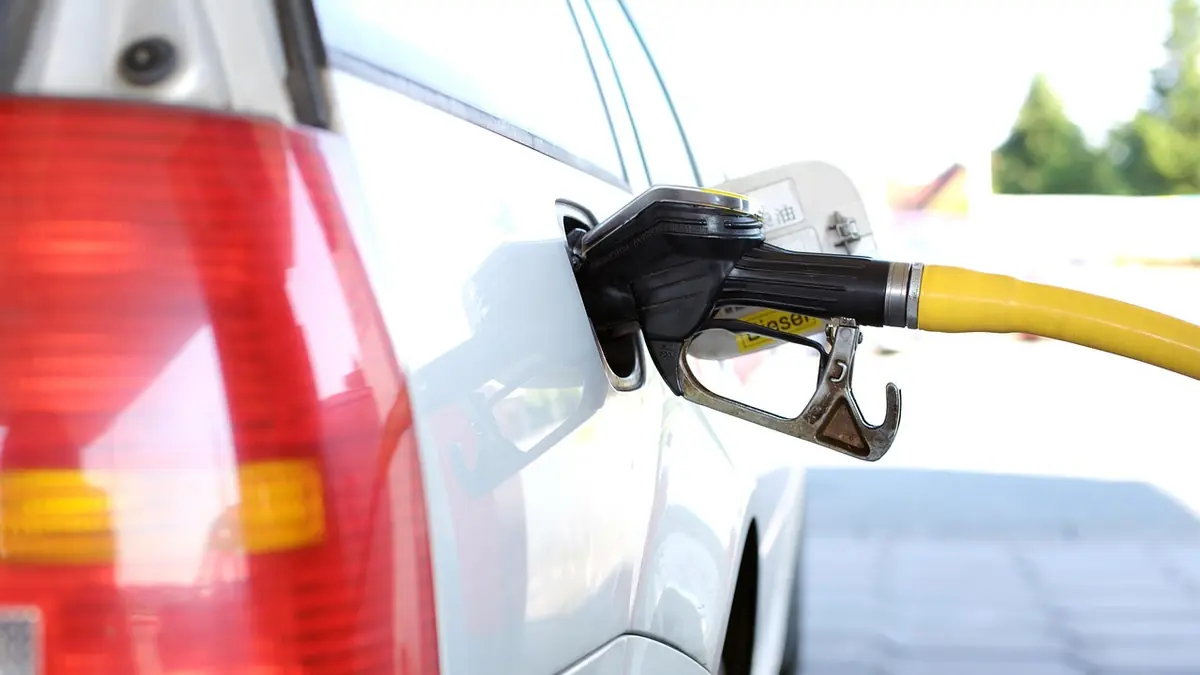
Fuel prices in Ticino remain high, with differences of over 20 cents per litre between different areas. Here's what changes for cross-border workers
Context
In brief
- Fuel prices in Ticino range from 1.80 to 2.20 CHF/litre
- Price differences of over 20 cents between areas
- High prices since the start of 2024
- Competition among service stations
Key facts
- What: Fuel prices in Ticino
- When: Since the start of 2024
- Where: Ticino, Switzerland
- Who: TCS, motorists, service stations
- Amount: 1.80-2.20 CHF/litre
Fuel prices in Ticino remain high, despite some fluctuations. According to TCS, it is unlikely that fuel costs will change in the short term. The situation is particularly evident in the area between Magliaso and the border, where the lowest fuel and diesel prices are recorded. At some unstaffed stations, 95-octane petrol costs 1.80 CHF per litre, while diesel is at 2.08 CHF. These prices encourage many motorists to fill up in these areas. In the rest of the canton, prices range between 1.80 and 1.87 CHF, still high compared to average prices before the start of the war in Iran.
Price differences between areas
Price differences are significant even within the canton. For example, in Rivera, prices exceed 2 CHF for 95-octane petrol and 2.20 CHF for diesel. According to Laurent Pignot, TCS spokesperson, these differences are due to various factors, including the location of the service station, the presence of a shop, available staff, and nearby competition. To help motorists find the best prices, TCS has launched a fuel price radar, which allows savings of several cents per litre with little distance. However, TCS emphasizes that a detour is only worthwhile for a fuel fill-up of 50 litres or more.
Impact on cross-border workers
Cross-border workers who commute to Ticino and live in Italy are particularly affected by these fuel price increases. With fuel costs remaining high, cross-border commuters face additional transportation expenses. This can have a significant impact on their family budget, especially considering that many cross-border workers already face high costs for health insurance and other expenses related to cross-border work.
Competition and savings strategies
Competition among service stations in Ticino is fierce, with price differences that can reach over 20 cents per litre. For cross-border workers, it is important to plan their trips and fill up at stations with the lowest prices. The TCS price radar can be a useful tool for finding the best deals. However, it is important to consider the additional time and distance that may be necessary to reach these stations.
Future forecasts
According to Laurent Pignot, it is likely that fuel prices will remain high for some time. Price forecasts are difficult to make, especially in the current geopolitical situation. However, the Federal Council has explained that it does not intend to proceed with tax cuts to address the price increase, given also the impossibility of timely implementation. Nevertheless, the Government considers the risk of a general macroeconomic recession to be low.
What to do
For cross-border workers who have to face high fuel costs, it is important to adopt savings strategies. Filling up at stations with the lowest prices, using the TCS price radar, and planning trips efficiently can help reduce expenses. Additionally, it is important to monitor price forecasts and stay informed about any changes in tax policies that may affect fuel costs.
Operational details
Analysis of Implications
The rise in gasoline prices in Ticino has a significant impact on cross-border workers who commute to Switzerland and reside in Italy. These workers face additional transportation costs, which can significantly affect their family budget. Furthermore, cross-border workers already face high costs for health insurance and other expenses related to cross-border work. The increase in gasoline prices can further exacerbate the financial situation of these workers.
Comparison with the Previous Situation
Before the start of the war in Iran, gasoline prices in Switzerland were significantly lower. At the beginning of the year, gasoline 95 cost an average of 1.65 CHF per liter. However, with the start of the fighting, the price quickly rose, reaching 1.79 CHF in March and 1.90 CHF by the end of April. A similar trend was recorded for diesel. Despite a slight drop last week, prices remain high.
Future Scenarios
It is likely that gasoline prices will remain high for some time. This can have a significant impact on cross-border workers who face additional transportation costs. However, the Federal Council has assessed the risk of a general macroeconomic recession as low. This means that, despite the high cost of fuel, the Swiss economy should remain stable.
Adaptation Strategies
For cross-border workers, it is important to adopt adaptation strategies to cope with the increase in fuel costs. Filling up at stations with the lowest prices, using the TCS price radar, and planning trips efficiently can help reduce expenses. Additionally, it is important to monitor price forecasts and stay informed about any changes in tax policies that could affect fuel costs.
Impact on Mobility
The increase in gasoline prices can also impact the mobility of cross-border workers. With fuel costs remaining high, some cross-border workers may be forced to reduce their travel or seek alternative means of transportation. This can impact the quality of life and well-being of cross-border workers, who already face significant challenges related to cross-border work.
Conclusion
The rise in gasoline prices in Ticino has a significant impact on cross-border workers who commute to Switzerland and reside in Italy. These workers face additional transportation costs, which can significantly affect their family budget. However, by adopting savings strategies and monitoring price forecasts, cross-border workers can cope with this situation more efficiently.
Useful tools to protect your net income
To reduce FX leakage, compare CHF-EUR exchange options and banks for cross-border workers.
Key points
Concrete actions for cross-border workers
For cross-border workers facing high fuel costs, it's important to take concrete steps to reduce expenses. Here are some useful tips:
Use the TCS price radar
The TCS price radar is a useful tool to find service stations with the lowest prices. By using this tool, cross-border workers can save several cents per liter. However, it's important to consider the additional time and distance that may be required to reach these stations.
Plan trips efficiently
Planning trips efficiently can help reduce fuel costs. For example, cross-border workers can plan their trips to fill up at stations with the lowest prices. Additionally, they can try to reduce the number of unnecessary trips and use alternative means of transport when possible.
Monitor price forecasts
Monitoring price forecasts can help cross-border workers predict fuel costs and plan accordingly. The TCS provides regular updates on gasoline and diesel prices, which can be useful for cross-border workers.
Use alternative means of transport
In some cases, cross-border workers can consider using alternative means of transport to reduce fuel costs. For example, they can use public transport for daily trips or share the journey with other cross-border workers. This can help reduce fuel costs and improve quality of life.
Request tax benefits
Cross-border workers can also consider requesting tax benefits for fuel costs. However, it's important to note that the Federal Council has explained that it does not intend to proceed with tax cuts to address the price increase. Therefore, tax benefits may not be available.
Use the Frontaliere Ticino calculator
To help cross-border workers manage fuel costs, Frontaliere Ticino offers a calculator that can be used to estimate fuel costs and plan accordingly. This tool can be useful for cross-border workers who want to reduce expenses and improve their financial situation.
Calculate your net salary and discover how to optimize your expenses, including fuel costs.
Conclusion
The increase in gasoline prices in Ticino has a significant impact on cross-border workers who work in Switzerland and reside in Italy. However, by adopting savings strategies and monitoring price forecasts, cross-border workers can handle this situation more efficiently. By using tools like the TCS price radar and the Frontaliere Ticino calculator, cross-border workers can reduce expenses and improve their financial situation.
Source: ticinonews.ch
Frequently Asked Questions
- Why are gasoline prices in Ticino so high?
- Gasoline prices in Ticino are high due to various factors, including the current geopolitical situation and competition among service stations. Additionally, prices vary significantly across different areas of the canton, with differences of over 20 cents per liter.
- How can I find the service stations with the lowest prices?
- The TCS has launched a fuel price radar that allows you to find the service stations with the lowest prices. By using this tool, you can save several cents per liter. However, it's important to also consider the additional time and distance that might be required to reach these stations.
- What can I do to reduce fuel costs?
- To reduce fuel costs, you can adopt various strategies, such as filling up at stations with the lowest prices, using the TCS price radar, planning trips efficiently, and monitoring price forecasts. Additionally, you can consider using alternative means of transportation, such as public transport or carpooling.