Swiss fuel prices hit annual high: +13% in 3 months
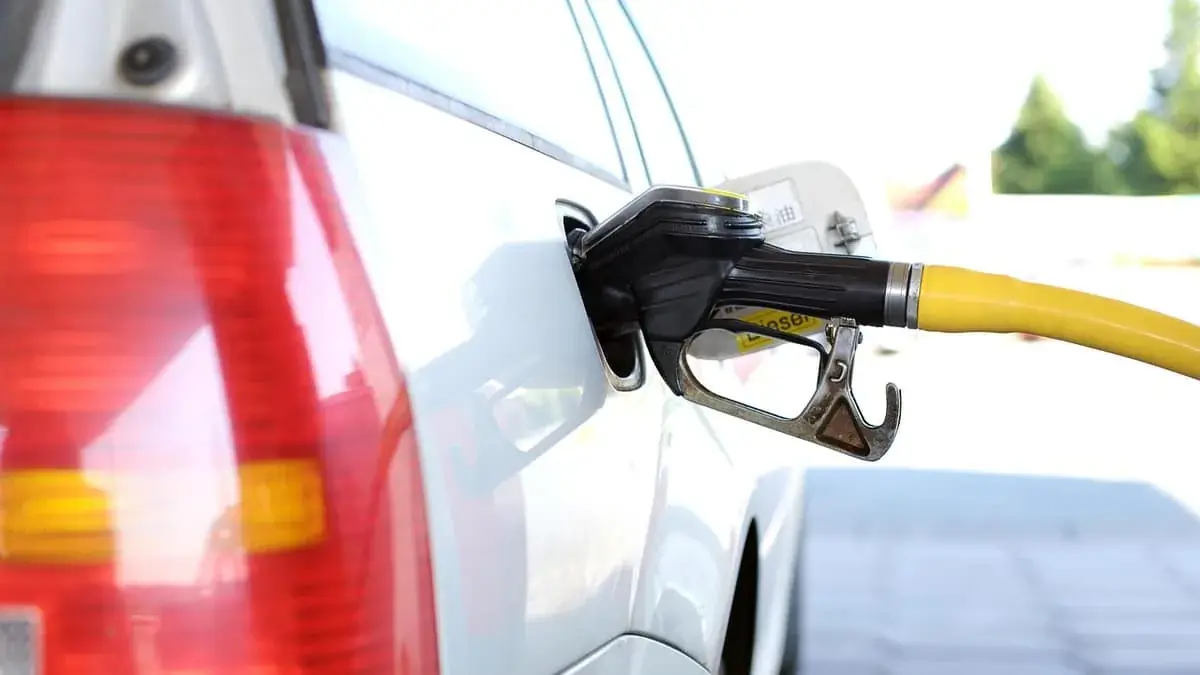
Fuel prices in Switzerland have reached an annual high of 1.90 CHF per litre. Diesel is at 2.17 CHF per litre.
Context
In brief
- Petrol at 1.90 CHF/litre, annual record
- Diesel at 2.17 CHF/litre, +20% in 3 months
- Brent oil at 112 USD/barrel
Key facts
- What: Petrol and diesel prices
- When: 29 April 2026
- Where: Switzerland
- Who: Touring Club Svizzero (TCS)
- Amount: 1.90 CHF/litre (petrol), 2.17 CHF/litre (diesel)
The price of petrol in Switzerland has reached the annual record of 1.90 francs per litre, according to data from the Touring Club Svizzero (TCS). This increase is mainly due to the war in Iran and the consequent rise in oil prices. TCS spokesman Marco Wölfli specified that at the beginning of the week, fuel prices increased by about 5 centimes. The average price for a litre of unleaded 95 petrol is now 1.90 francs, that of unleaded 98 is 2.01 francs and that of diesel is 2.17 francs.
Before the outbreak of the war in Iran, at the end of February, prices were still at 1.67 francs for unleaded 95, 1.78 francs for unleaded 98 and 1.79 francs for diesel. This represents an increase of 13% for petrol and 20% for diesel. The price of a barrel of Brent oil was around 112 dollars, while five days ago it cost 9 dollars less. Following the conflict and the consequent blockade of the Strait of Hormuz, the price rose from around 70 dollars to temporarily reach 120 dollars.
Implications for cross-border workers
The increase in fuel prices has a significant impact on cross-border workers who cross the border every day to go to work. For many, the cost of fuel is an important expense, especially for those who travel long distances. The increase in the price of diesel, in particular, could influence the costs of transporting goods and passengers, with possible repercussions on the prices of consumer goods.
…
Operational details
Practical Analysis
The increase in fuel prices in Switzerland has a significant impact on cross-border workers who cross the border every day to go to work. For many, the cost of fuel represents an important expense, especially for those who travel long distances. The increase in the price of diesel, in particular, could influence transport costs for goods and passengers, with possible repercussions on the prices of consumer goods.
Comparison with Previous Prices
A comparison with the prices at the end of February shows a significant increase. Unleaded gasoline 95 has gone from 1.67 francs to 1.90 francs, an increase of 13.8%. Unleaded gasoline 98 has increased from 1.78 francs to 2.01 francs, an increase of 12.9%. Diesel has recorded the most substantial increase, going from 1.79 francs to 2.17 francs, an increase of 20.7%. These increases are due mainly to the geopolitical situation and the consequent rise in the price of oil.
Future Forecasts
The TCS publishes at irregular intervals estimates of the current prices of gasoline and diesel in Switzerland based on information from various sources and random samples. However, there may be variations depending on the region and the service station. The greater increase in the price of diesel is explained by the greater demand from industry. If the geopolitical situation were to worsen further, it is possible that prices will continue to rise, with further repercussions on consumers and the economy.
…
Key points
Concrete actions
For cross-border workers who use their car to commute to work, it is advisable to monitor fuel prices and plan any additional expenses. It might be useful to consider using alternative means of transport, such as carpooling or public transport, to reduce costs. Additionally, it is important to stay updated on any price changes and the policies of local service stations.
Carpooling procedures
1. Registration: Register on a carpooling platform like momoride. 2. Create your profile: Create a detailed profile with your transport needs. 3. Find travel companions: Look for travel companions who take the same route. 4. Organization: Organize driving shifts and fuel costs. 5. Monitoring: Monitor costs and shared expenses.
Using public transport
1. Information: Find out about the routes and schedules of public transport in your area. 2. Purchase tickets: Buy monthly or annual tickets to save on transport costs. 3. Planning: Plan your trip in advance to avoid delays. 4. Monitoring: Monitor any price or schedule changes.
Using the cost calculator
To get a clearer idea of your transport expenses, you can use the cost calculator available on the Frontalieri Ticino website. This tool will help you plan your expenses better and find solutions to reduce costs.
Source: tvsvizzera.it
Frequently Asked Questions
- What is the current price of gasoline in Switzerland?
- The average price per liter of unleaded 95 gasoline is now 1.90 francs, that of unleaded 98 is 2.01 francs, and that of diesel is 2.17 francs.
- Why has the price of diesel increased so much?
- The greater increase in the price of diesel is explained by the greater demand from industry. Moreover, the geopolitical situation and the consequent rise in the price of oil have contributed to this increase.
- What can I do to reduce transportation costs?
- You can consider using alternative means of transport, such as carpooling or public transport. Additionally, you can monitor fuel prices and plan any additional expenses.
Related articles
- All articles: Energy and fuel
- Caro carburanti: benzina a 1,9 euro al litro
- Benzina supera 1,9 euro al litro: prima volta in due anni
- La Spagna riduce i prezzi del carburante di 30 centesimi al litro
- Conflitto Medio Oriente: energia Ticino e Italia
- Prezzi Carburanti Ticino 2026 — Benzina e Diesel Aggiornati