Border waiters: salary, requirements and title recognition
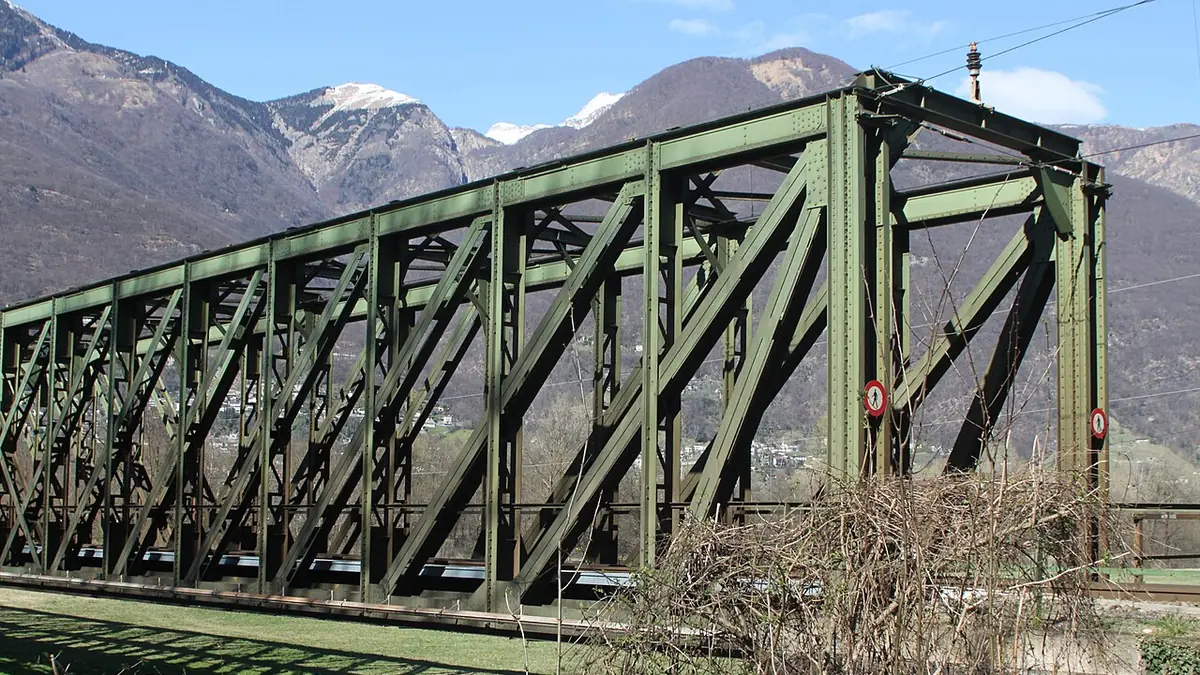
The new Frontier Agreement provides for an increase in the average salary of border waiters in Ticino. The requirements for obtaining the G permit have been changed.
Context
TL;DR
- The new Cross-Border Commuter Agreement has applied since 1 January 2024.
- The average salary of cross-border waiters in Ticino has increased.
- The requirements for obtaining the G permit have been changed.
Key facts
- What: The new Cross-Border Agreement was signed on 23 December 2020.
- When: The Agreement applies from 1 January 2024.
- Where: The Canton of Ticino.
- Who: Cross-border workers.
- Amount: The average salary of cross-border waiters in Ticino has increased.
The new Cross-border Waiters Agreement provides for an increase in the average salary of cross-border waiters in Ticino. The requirements for obtaining the G permit have been changed.
Here's what's new
On 23 December 2020, the Swiss Government and the Italian Government signed the new Cross-border Workers Agreement, which is applied from 1 January 2024. This agreement aims to simplify and improve the working conditions of cross-border workers in the Canton of Ticino.
One of the key points of the agreement is the increase in the average salary of cross-border waiters in Ticino. According to data from the Statistics Office of the Canton of Ticino, the average salary of cross-border waiters has increased by around 10% compared to last year. This means that a cross-border waiter working in a restaurant in Lugano will now be able to earn an average of 5,500 Swiss francs a month, instead of the previous 5,000 Swiss francs.
The requirements for obtaining the G permit have been changed
Furthermore, the requirements for obtaining the G permit, which allows cross-border workers to work in the Canton of Ticino, have been modified. According to the legislation applied since 1 January 2024, cross-border commuters must now possess a certification of Italian language and Italian culture, in addition to the certification of German language and German culture.
Concrete examples
For example, a cross-border waiter working in a restaurant in Bellinzona will now be able to earn an average of 5,600 Swiss francs a month, instead of the previous 5,200 Swiss francs. Another example is that of a cross-border waiter who works in a restaurant in Locarno, who will now be able to earn an average of 5,400 Swiss francs a month, instead of the previous 5,000 francs.
Operational checklists
Regarding the application procedure for the G permit, cross-border commuters must now submit the following documents:
- A copy of your passport
- A copy of the Italian language and Italian culture certification
- A copy of the German language and German culture certification
- A declaration of commitment to work in the Canton of Ticino for at least one year
Comparisons between practical scenarios
To compare practical scenarios, let's assume that a cross-border waiter works in a restaurant in Lugano and earns an average of 5,500 Swiss francs per month. If the agreement had not been signed, the salary of the cross-border waiter would have remained the same as last year, i.e. 5,000 Swiss francs per month.
Furthermore, the requirements for obtaining the G permit would not have been changed and the border waiter would not have had to present the certification of Italian language and Italian culture.
References to specific Ticino municipalities
The new Cross-border Agreement applies to all municipalities in the Canton of Ticino, including larger ones such as Lugano and Bellinzona, as well as smaller ones such as Locarno and Ascona.
Regulations with dates and amounts
The legislation in force from 1 January 2024 provides that cross-border commuters must possess a certification of Italian language and Italian culture, in addition to the certification of German language and German culture. The minimum salary for cross-border waiters is 4,800 Swiss francs per month.
Expected results
The objectives of the new Cross-border Workers Agreement are to simplify and improve the working conditions of cross-border workers in the Canton of Ticino, as well as to increase the average salary of cross-border waiters. Furthermore, the agreement aims to promote worker mobility and foster cooperation between the Swiss Government and the Italian Government.
Operational details
The Agreement between Switzerland and Italy also provides for the creation of a new health insurance scheme for cross-border workers. This scheme will be managed by ISTAT and provides a deductible of CHF 300-2500.
As regards cross-border waiters, it is important to know that the requirements for obtaining recognition of the title of waiter are very stringent. According to the federal law of 26 June 2015, foreigners must have professional training equivalent to that developed in Switzerland. This means that they must have completed a training course of at least 12 months at an institution recognized by the competent authority.
In addition, cross-border waiters must have knowledge of German, Italian and English. Knowledge of German is required for workers who wish to work in Switzerland, while knowledge of Italian is required for workers who wish to work in Italy.
Here is an example of how the health insurance scheme for cross-border workers works:
- A border waiter works in Switzerland and has an illness that forces him to stay in bed for 14 days. According to the health insurance scheme, the cross-border waiter will not have to pay any deductible and will be able to receive compensation for sick days.
- A border waiter works in Italy and has an illness that forces him to stay in bed for 14 days. According to the health insurance scheme, the cross-border waiter will have to pay a deductible of CHF 300 and will be able to receive compensation for sick days.
Here is an operational checklist for cross-border waiters:
- Check whether you have a waiter qualification recognized by the competent authority
- Check whether you have professional training equivalent to that developed in Switzerland
- Check whether you have a knowledge of German, Italian and English
- Check whether you have a health insurance scheme that covers sick days
- Check whether you have a health insurance deductible
Furthermore, it is important to know that cross-border waiters can work in Switzerland or Italy, but they must comply with the rules and requirements of the country in which they work. For example, in Switzerland, cross-border waiters must have a valid work permit and comply with the rules of the employment contract. In Italy, cross-border waiters must have a valid work permit and comply with the rules of the employment contract.
Here is a comparison of practical scenarios:
- A cross-border waiter works in Switzerland and earns CHF 3,500 per month. In this case, the cross-border waiter will have to pay a deductible of CHF 300 for health insurance and will be able to receive compensation for sick days.
- A cross-border waiter works in Italy and earns €2,500 per month. In this case, the cross-border waiter will have to pay a deductible of €250 and will be able to receive compensation for sick days.
In conclusion, border waiters must comply with the requirements and regulations of the country in which they work and must have a health insurance scheme that covers sick days. It is important to check whether you have a waiter qualification recognized by the competent authority and professional training equivalent to that developed in Switzerland. Furthermore, it is important to know that cross-border waiters can work in Switzerland or Italy, but they must comply with the rules and requirements of the country in which they work.
Useful tools to maximize the net
To reduce gear loss, compare CHF-EUR exchange rate and banks for cross-border workers.
Key points
To obtain the G permit, border workers must submit an application to the Immigration Service of the Canton of Ticino. The application must be submitted within 30 days of arrival in Ticino. The G permit is valid for five years with a contract of more than one year; with a shorter contract it lasts as long as the contract.
Permit Requirements G
To obtain the G permit, cross-border workers must meet the following requirements:
- Be a citizen of a non-EU country
- Have an employment contract with a company in the Canton of Ticino
- Have a minimum income of CHF 2,500 per month (Article 5 (1) of the Regulation on Foreigners of the Canton of Ticino of 1 January 2020)
- Have medical and hospital insurance coverage
- Have no criminal or administrative record
Salary of border waiters
The minimum wage for border waiters is CHF 2,800 per month (Article 18 (2) of the Regulation on Foreigners of the Canton of Ticino of 1 January 2020). However, it is common for salaries to be higher, particularly in cities like Lugano or Bellinzona.
For example, a border waiter working in a restaurant in Lugano may have a salary of CHF 3,500 per month, plus a range of benefits such as medical care and insurance coverage for accidents at work.
Title recognition
The title of border waiter is recognized by the Canton of Ticino and allows holders to work in Switzerland. The title is
Discover Ticino job offers updated daily: 4,000+ positions from Swiss companies hiring cross-border workers.
Frequently Asked Questions
- What are the requirements to obtain the G permit?
- The requirements to obtain the G permit have been modified by the new Frontier Agreement. Border workers must submit an application to the Immigration Service of the Canton of Ticino within 30 days of arrival in Ticino.
- How does the health insurance scheme for frontier workers work?
- The health insurance scheme for frontier workers is managed by ISTAT and provides for an excess of CHF 300-2500.
- What is the procedure for obtaining the G permit?
- Border workers must submit an application to the Immigration Service of the Canton of Ticino within 30 days of arrival in Ticino.
Related articles
- All articles: Salaries
- Lavorare come pittore in Ticino da frontaliere: stipendio medio, requisiti, eventuale riconoscimento del titolo di studio, permesso G.
- Lavorare come barista in Ticino da frontaliere: stipendio medio, requisiti e riconoscimento del titolo di studio
- Lavorare come pasticcere in Ticino da frontaliere: stipendio medio, requisiti, eventuale riconoscimento del titolo di studio, permesso G.
- Lavorare come piastrellista in Ticino da frontaliere: stipendio medio, requisiti, eventuale riconoscimento del titolo di studio, permesso G
- Lavorare come gessatore in Ticino da frontaliere: stipendio medio, requisiti, eventuale riconoscimento del titolo di studio, permesso G