Traffic in Switzerland: what it means for the Swiss (cross-border guide)
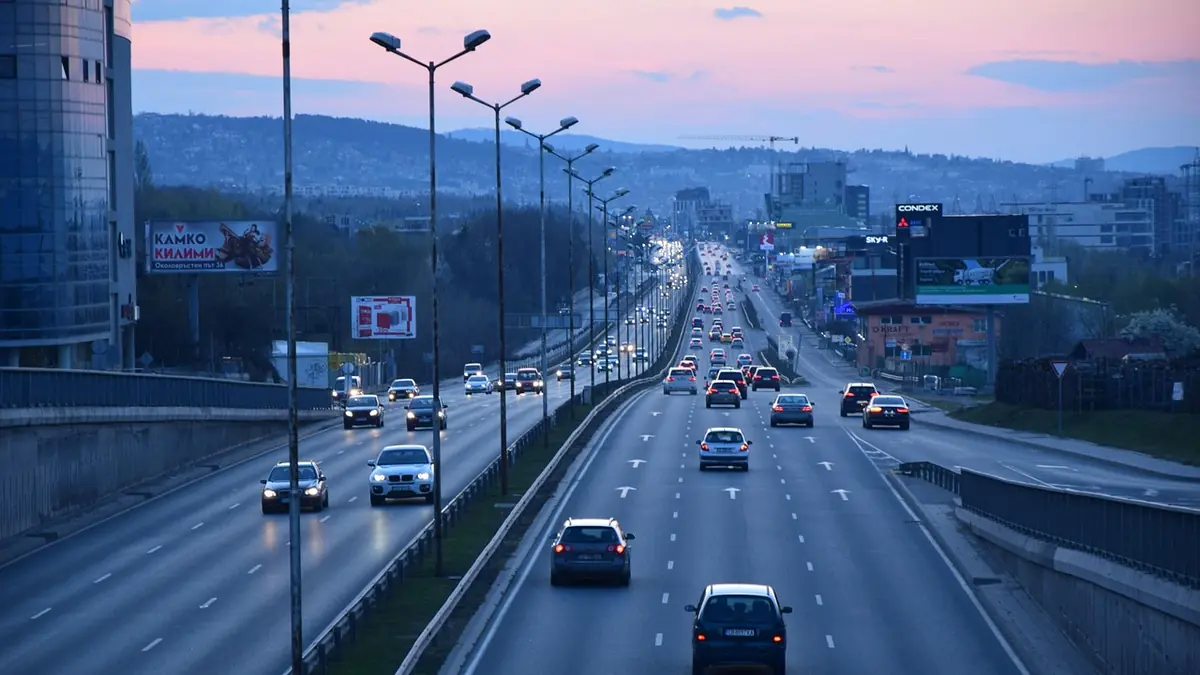
Traffic in Switzerland generated costs of about 117 billion francs in 2023, according to a report by the Federal Statistical Office.
Context
In a nutshell
- Traffic in Switzerland generated costs of around 117 billion francs in 2023.
- 77% of costs come from passenger traffic, 23% from freight.
- 68% of passenger-km journeys were made by car.
Key facts
- Traffic in Switzerland has increased significantly since 2000.
- Traffic volume has increased by more than a quarter since 2000.
- The number of motor vehicles on Swiss roads has reached 6.9 million.
Traffic costs in Switzerland
Traffic in Switzerland is a problem that is increasing in importance every year. According to data from the Federal Ministry of Infrastructure, Transport and Energy (FIPE), traffic generated costs of about 117 billion francs in 2023. This amount represents a significant growth compared to previous years and raises questions about the sustainability of the Swiss transport system.
Most traffic costs come from passenger traffic, which accounts for 77% of the total. Freight traffic, on the other hand, represents only 23%. This is an important indicator, as it suggests that most traffic-related issues are related to motor vehicles for transporting people.
68% of passenger-km journeys were made by car. This means that road traffic is still the main means of transport for people in Switzerland. However, it is important to note that road traffic
Operational details
Traffic in Switzerland: what it means for the Swiss
Traffic in Switzerland is a serious problem for the Swiss. According to a report by the Federal Statistical Office, traffic generated costs of about 117 billion francs in 2023. 77% of these costs derive from passenger traffic, while 23% from freight. 68% of passenger-km journeys were made by car.
This means that every year the Swiss spend about 85 billion francs on passenger traffic and about 27 billion francs on freight traffic. Passenger traffic costs are so high because every year Swiss people travel around 140 billion kilometres by car, which represents an increase of 10% compared to 2022.
Traffic in Switzerland is a problem that affects all cantons and cities in the country. For example, in the Canton of Ticino, traffic is a particularly serious problem, especially during peak hours. According to data from the Cantonal Administration of Ticino, there are about 50,000 vehicles passing through the city of Lugano every day, which represents an increase of 15% compared to 2022.
In addition, traffic in Switzerland is also a problem for the environment. According to data from the Federal Office for the Environment, traffic in Switzerland emits about 12 million tons of CO2 every year, which represents 20% of the country's total emissions.
To try to reduce the costs and environmental impacts of traffic, the
Recommended tools
For an updated estimate, use the net salary calculator and the CHF-EUR exchange comparator.
Key points
Traffic in Switzerland: what it means for the Swiss
As far as measures to reduce traffic are concerned, the Federal Statistical Office has proposed some solutions. One of these is the construction of new roads and highways, which could help reduce traffic in urban areas. Another solution could be the promotion of alternative modes of transport, such as train or bicycle.
According to data from the Federal Statistical Office, road traffic in Switzerland has increased by 15% in the last 10 years. This can be attributed in part to population growth and increased mobility. However, traffic is also an issue for the environment and public safety.
A concrete example of how traffic can be reduced is the city of Lausanne, which has implemented an electronic ticket system for public transport. This system has reduced passenger waiting times and increased the efficiency of public transport. In addition, the city also implemented a pedestrianization system, which reduced the amount of traffic in pedestrian areas.
Another solution could be the promotion of alternative modes of transport, such as train or bicycle. For example, the canton of Zurich has implemented a bike-sharing system, which allows citizens to rent bicycles for short periods of time. This reduced the amount of road traffic and also promoted health and mental health
Discover Ticino job offers updated daily: 4,000+ positions from Swiss companies hiring cross-border workers.
Source: swissinfo.ch
Frequently Asked Questions
- What are the main causes of traffic in Switzerland?
- According to the Federal Statistical Office, the main causes of traffic in Switzerland are the increase in the population and the increase in energy consumption.
- What are the proposed measures to reduce traffic in Switzerland?
- The Federal Statistical Office has proposed the construction of new roads and highways, as well as the promotion of alternative modes of transport.
Related articles
- Traffico da record: costi per 117 miliardi di franchi e auto sempre in testa
- AI: crescono le persone reintegrate nel mondo del lavoro
- Frontaliere? No, io ho scelto la Svizzera. Lavoro, stipendio, tasse, traffico: il confronto con l’Italia
- Il caldo incide sul traffico ferroviario: ecco cosa cambia
- Ripresa traffico ferroviario in Germania