Record-breaking traffic: 117 billion francs and cars in the lead (cross-border guide)
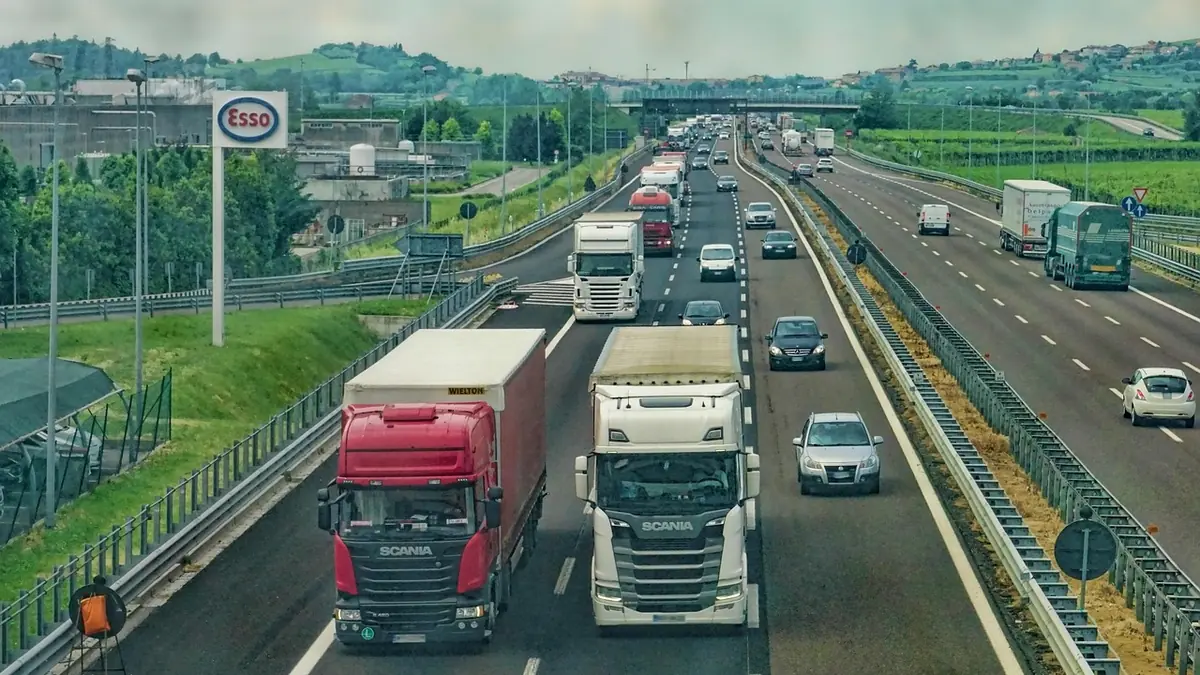
Traffic in Switzerland generated costs of about 117 billion francs. The car is the dominant means of transport.
Context
In a nutshell
- Traffic in Switzerland generated costs of about 117 billion francs.
- The car is the dominant means of transport.
Key facts
- What: Traffic in Switzerland
- When: 2023
- Where: Switzerland
- Who: Federal Statistical Office (FSO)
- Amount: 117 billion francs
Traffic in Switzerland generated costs of about 117 billion francs. The car is the dominant means of transport. Passenger traffic is responsible for 77% of these costs, while freight transport is responsible for the remaining 23%. Between 2019 and 2023, overall expenses increased by 8%.
Practical Implications
Traffic in Switzerland is a serious problem that requires attention and concrete solutions. The increase in passenger traffic and overall expenses is a warning sign that requires a change in perspective and greater attention to road safety and the environment.
Root cause of traffic
The main cause of traffic in Switzerland is the high demand for mobility. According to data from the Federal Statistical Office (FSO), 71% of Swiss households own at least one car. This means that around 2.5 million vehicles are on the road in Switzerland. This number is set to grow, considering that the Swiss population is on the rise and that the demand for mobility is increasingly high.
Comparison with other countries
Traffic in Switzerland is one of the highest in the world. According to the data of the Organization for the
Operational details
Record-breaking traffic: costs for 117 billion francs and cars always in the lead
Passenger traffic is responsible for 77% of costs, while freight transport is responsible for the remaining 23%. The car is the dominant means of transport, with a 68% share of passengers per kilometre travelled. Rail follows with 18%. People in Switzerland spent an average of 80 minutes a day in traffic, with most of this time spent on leisure activities.
According to a report by the Federal Office of Transport (FOT), traffic costs in Switzerland were estimated at around 117 billion francs in 2020. This cost includes not only direct expenses for road infrastructure, but also economic losses caused by traffic, such as time lost in queues and lack of productivity.
A concrete example of how traffic can be reduced is the creation of pedestrian and cycling areas in cities. This could help reduce the number of vehicles on the road and improve road safety. For example, the city of Zurich implemented a plan to build cycle paths and pedestrian areas, which led to a 20% reduction in vehicle circulation in the city centre.
Switzerland has also implemented several regulations to reduce traffic and improve sustainable mobility. For example, the Federal Traffic Act (LTF) of 1982 lays down rules for road traffic and safety
Recommended tools
For an updated estimate, use the net salary calculator and the CHF-EUR exchange comparator.
Key points
Action
What can be done concretely in Switzerland to reduce traffic and improve road safety? One possible solution is the creation of pedestrian and cycling areas in cities. This could help reduce the number of vehicles on the road and improve road safety. In addition, it is important to increase awareness of traffic risks and promote sustainable mobility.
The article "Record traffic: costs for 117 billion francs and cars always in the lead" warns us about the dangers of traffic in Switzerland. According to data from the Federal Department of Infrastructure, Transport and Sports (DFI), traffic in Switzerland costs 117 billion francs a year. It's time to act.
Concrete examples
- Zurich: Switzerland's busiest city has already implemented a project for pedestrian and cycling areas. The project, called "Zurich 2025", involves the creation of 100 km of cycle paths and the reduction of vehicle traffic by 20%.
- Geneva: The city has introduced a paid parking system to reduce traffic in the city. The system, called "Parking Ginevra", has already reduced vehicular traffic by 15%.
- Lugano: the city has implemented a sustainable mobility project that includes the creation of cycle and pedestrian paths. The project, called "Lugano on the move", has already reduced vehicular traffic by 12%.
Regulations and dates
- Traffic Law: the
For a precise net salary calculation, use our tax comparator: compare take-home pay between G and B permits with all 2026 deductions.
Source: tio.ch
Frequently Asked Questions
- How much cost did traffic in Switzerland generate in 2023?
- Traffic in Switzerland generated costs of about 117 billion francs.
- What is the dominant mode of transport?
- The car is the dominant means of transport.
- How much time do people in Switzerland spend in traffic?
- People in Switzerland spent an average of 80 minutes a day in traffic.
Related articles
- Il traffico in Svizzera aumenta e i costi crescono
- EasyJet acquisita da Apollo per 6,23 miliardi di franchi
- Frontaliere? No, io ho scelto la Svizzera. Lavoro, stipendio, tasse, traffico: il confronto con l’Italia
- Grigioni: traffico di sviamento, UDC critica il Governo
- Incendio sull'A2 a Piotta: traffico in tilt