Heat affects rail traffic: here's what changes
High temperatures affect the operation of trains in Switzerland. Learn about the practical implications and how railway companies are handling the situation.
Context
In short
- Intense heat causes air conditioning system failures and engine overheating.
- The rails may deform due to thermal expansion.
- Swiss railway companies are taking measures to ensure a stable service.
Key facts
- What : Heat affects rail traffic.
- When: In the last few days.
- Where: All over Switzerland.
- Who: Swiss railway companies.
- Amount: Not specified. The great heat of these days also has repercussions on rail traffic. When the air conditioning is running at full capacity, faults occur more often. The tracks may also deform or contact line problems may occur. However, Swiss railway companies have so far managed to guarantee a stable service even in these extreme conditions. In recent days, SBB has encountered some disruptions to railway infrastructure and rolling stock caused by the heat, such as overheating of traction engines or failures of air conditioning systems. According to what the company announced today, the affected trains were immediately replaced, so that the defective equipment could be changed.
Practical implications
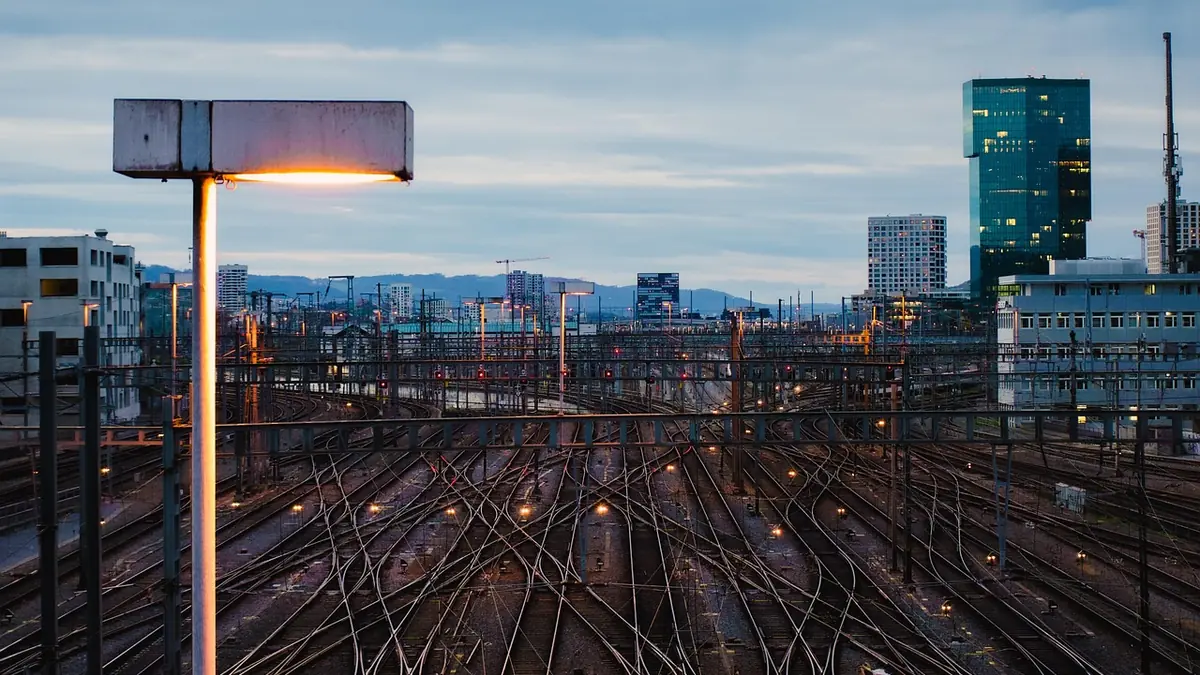
The heat also dilates the steel of the rails and there is a risk of deformations of the tracks and exchanges. On Monday afternoon at the central station in Zurich it was necessary to arrange an exchange again
Operational details
Practical analysis High temperatures represent a significant challenge for Swiss railway companies. Intense heat can cause overheating of traction motors and failures of air conditioning systems, as reported by SBB. These issues can lead to service delays and outages, although so far companies have been able to manage the situation effectively. Another critical aspect is the deformation of the rails and exchanges due to the thermal expansion of the steel. This phenomenon was observed at the central station in Zurich, where it was necessary to regulate an exchange. Although delays have been slight, these episodes underscore the importance of constantly monitoring rail infrastructure during heatwaves. The BLS reported that the heat represents a huge load for vehicles, especially for electronics and air conditioning systems. Although the air conditioning systems may stop working in isolated cases, the company has ensured that they will be repaired immediately. This commitment is critical to ensuring passenger comfort and service safety. Südostbahn (SOB) reported that all its trains are equipped with air conditioners and that, so far, no significant disruptions have been reported. The sob is able to monitor the systems and the temperature in the trains through remote diagnosis, allowing you to intervene quickly
Recommended tools
For an updated estimate, use the net salary calculator and the CHF-EUR exchange comparator.
Key points
Action: what to do in case of delays
In case of delays or interruptions of the train service, it is important to follow some guidelines to minimize inconvenience: 1. Get informed: Use the official applications of the railway companies to receive real-time updates on delays and interruptions. 2. Plan: Schedule trips with additional time for any delays. 3. Alternative: Consider the use of alternative means of transport, such as buses or regional trains, in the event of prolonged interruptions. 4. Contact: In case of significant problems, contact the customer service of the railway companies for assistance and information.
Useful tools To plan your trips and stay up to date on rail traffic conditions, you can use the following tools: - Route calculator: To plan your trips and find the best transport options. - Mezzi pubblici: To check the timetables and routes of public transport in Switzerland. - Passenger assistance: To receive assistance and information in case of problems during the trip.
Conclusions Heat affects rail traffic in Switzerland, but rail companies are taking effective measures to manage the situation and ensure a stable service. By following the guidelines and using the tools available, passengers can minimise inconvenience and plan their journeys more effectively.
Source: swissinfo.ch
Frequently Asked Questions
- What causes train air conditioning system failures during the heat?
- The intense heat causes greater use of air conditioning systems, which can overheat and break down more easily.
- How are railway companies managing the delays caused by the heat?
- Railway companies are immediately replacing trains with problems and constantly monitoring the infrastructure to intervene quickly in the event of breakdowns.
- What measures are railway companies taking to deal with heatwaves?
- Railway companies are investing in advanced technologies and staff training to improve their ability to respond to heatwaves.
Related articles
- All articles: Transport and traffic
- La canicola incide anche sul traffico ferroviario
- Ripresa traffico ferroviario in Germania
- Diritti durante l'onda di caldo in Svizzera
- Frontaliere? No, io ho scelto la Svizzera. Lavoro, stipendio, tasse, traffico: il confronto con l’Italia
- Dogane: nuove app per traffico e acquisti