Successful referendum: 125,000 signatures against new plants (cross-border guide)
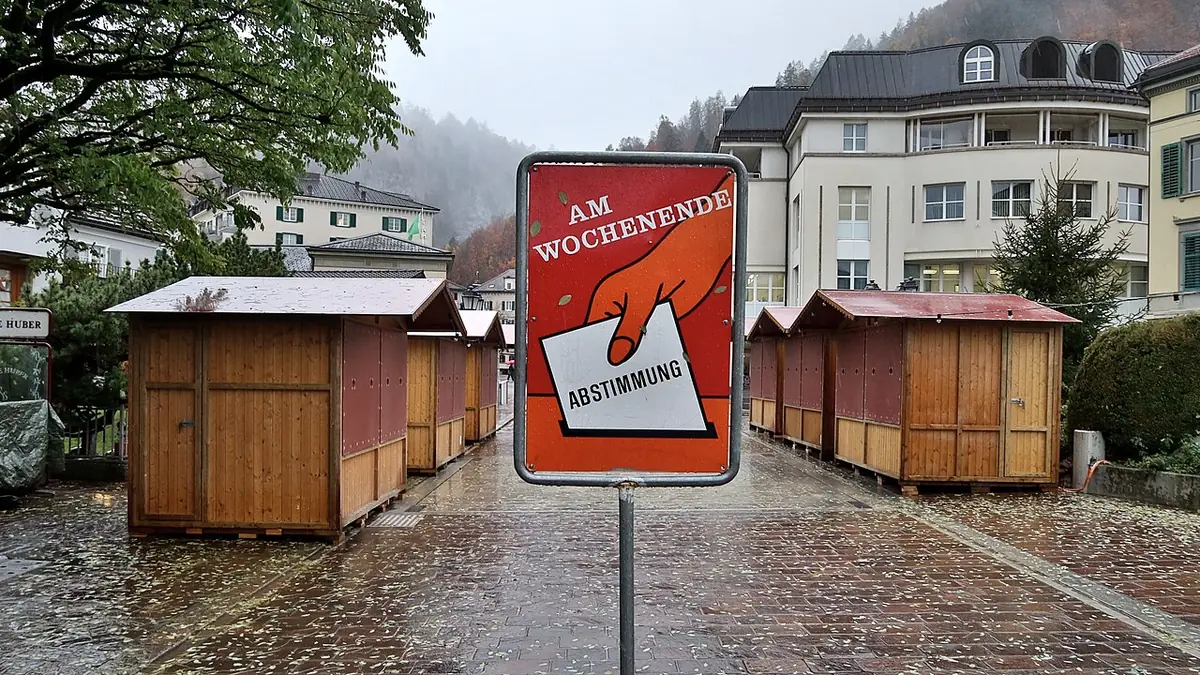
The committee collected over 125,000 signatures in 3 months. The vote is scheduled for February 28, 2027.
Context
In breve
- Oltre 125'000 firme raccolte in 3 mesi
- Referendum contro nuove centrali nucleari
- Possibile voto il 28 febbraio 2027
Fatti chiave
- Numero firme: 125'000
- Periodo raccolta: 3 mesi
- Data consegna firme: 6 ottobre
- Data ipotetica voto: 28 febbraio 2027
- Progetto controprogetto: revoca divieto nuove centrali
- Coalizione: Verdi, PS, PVL, parte del Centro, ATA, WWF, Greenpeace, Pro Natura, Swissolar
Il comitato referendario ha annunciato questa sera, confermando un’informazione già pubblicata sul sito del Tages Anzeiger, che sono state raccolte più di 125 000 firme in soli tre mesi per avviare un referendum contro la costruzione di nuove centrali nucleari in Svizzera. La raccolta è stata definita “un segnale chiaro del rifiuto popolare al ritorno del nucleare”, secondo il comunicato della coalizione «No alle nuove centrali nucleari». Il documento sottolinea che la tecnologia nucleare è “costosa e pericolosa” e aumenta la dipendenza dalla Russia per l’uranio.
Dettagli della raccolta firme
Il comitato ha precisato che le firme saranno consegnate alla Cancelleria federale il 6 ottobre. Se la raccolta verrà dichiarata valida, gli aventi diritto di voto potranno esprimersi sulla modifica legislativa già prevista per il 28 febbraio 2027. La coalizione ricorda che, nella sessione estiva, le Camere federali hanno approvato il controprogetto indiretto del Consiglio federale all’iniziativa popolare “Energia elettrica in ogni tempo per tutti (Stop al blackout)”, che prevede la revoca del divieto di costruire nuove centrali nucleari. La coalizione accusa il Consiglio federale e il Parlamento di “ignorare la volontà popolare”.
…
Operational details
The practical consequences of a successful referendum result are relevant for all Swiss citizens and businesses. If the legislative amendment is approved, Switzerland will have to remain faithful to the ban on building new nuclear power plants, consolidating its dependence on renewable sources such as solar, wind and hydroelectric. This entails a strengthening of investments in grid infrastructure to manage the variability of renewable production, with potential impacts on electricity costs for households and businesses.
Comparison with the current situation
Currently, the Federal Council has already initiated a counter-project that revokes the ban, opening the door to new nuclear construction. A vote in favour of the referendum would mean a reversal: Switzerland will return to a policy of shutting down nuclear power, as set out in the Energy Strategy 2050 and recent laws on climate protection and electricity. In practice, companies will have to adapt investment plans, giving up any nuclear projects and focusing on renewable sources. Cantonal authorities, which manage incentives for green energy, could see higher demand for contributions and permits for solar and wind plants.
Possible scenarios
- Scenario A – Approved Referendum: Ban remains; uranium imports, particularly from Russia, will not increase.
Recommended tools
For an updated estimate, use the net salary calculator and the CHF-EUR exchange comparator.
Key points
For those who wish to closely follow the developments of the referendum, it is essential to know the operational milestones and deadlines. Here is a step-by-step guide:
1. Check the submission of signatures – On October 6, the signatures will be deposited with the Federal Chancellery. You can verify the official confirmation on the Chancellery’s website or via Federal Council press releases. 2. Monitor the declaration of validity – After submission, the competent office will assess the correctness of the signatures. If declared valid, the vote will be scheduled for February 28, 2027. 3. Inform yourself about the content of the legislative amendment – The proposal concerns the repeal of the ban on building new nuclear power plants. The legal texts will be available on the Federal Parliament portal; it is advisable to read them to understand the legal implications. 4. Prepare for voting participation – Citizens residing in Switzerland must ensure their voter registration is up to date. Those residing abroad must verify their status with the electoral office of their home canton. 5. Assess the personal impact – If you are an employee of an energy company or a consumer attentive to electricity costs, keep an eye on communications from cantonal authorities regarding potential incentives or tariffs. 6. Use the site's tools – To evaluate the effect of a possible change on your net earnings, try our salary calculator. By entering your gross salary, you can see how potential changes in energy costs will affect your disposable income.
…
Frequently Asked Questions
- How many signatures were collected for the referendum on nuclear power plants?
- The referendum committee announced the collection of over 125,000 signatures in just three months. These signatures will be delivered to the Federal Chancellery on 6 October to start the legal procedure.
- What is the expected date for the popular vote?
- If the collection of signatures is declared valid, those entitled to vote may vote on the legislative amendment already scheduled for 28 February 2027.
- Who is part of the coalition promoting the referendum?
- The coalition is made up of Greens, PS, PVL, part of the Centre, as well as environmental organisations such as ATA, WWF, Greenpeace, Pro Natura and Swissolar. The project aims to maintain the ban on building new nuclear power plants.
Related articles
- All articles: Agreements and politics
- Pigioni abusive, l’iniziativa è riuscita con oltre 108’000 firme
- La BCE mantiene i tassi al 2,25%
- Centrali nucleari: rischio per migliaia di posti lavoro
- Di più aziende elettriche, scarsa voglia di costruire centrali nucleari
- Nuovo impianto nucleare: da 14 a 43 miliardi di franchi