Germany, resumption of rail traffic
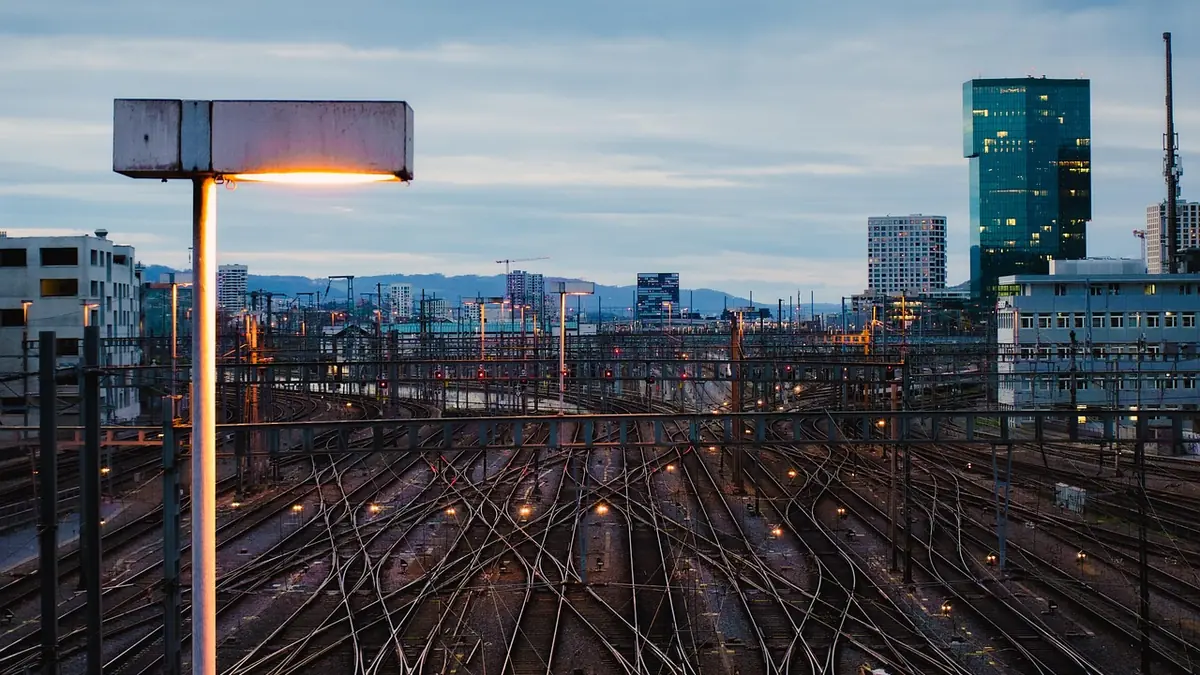
After an interruption of about 90 minutes, rail traffic in Germany has been fully restored, thanks to an emergency system.
Context
In short
- German rail traffic was interrupted last night
- The technical failure involved the entire national territory
- The recovery took place after about 90 minutes
- In Switzerland, only one train was delayed
Key facts
- What : Interruption of rail traffic in Germany
- When: Tuesday evening, June 23, 2026
- Where: Across the entire German national territory
- Who: Deutsche Bahn (DB) and emergency technicians
- Amount: No figures specified Rail traffic in Germany, suspended last night due to a major technical failure to the communications system, has been fully restored. The outage affected the entire national network, leaving trains stopped for about 90 minutes. Crisis management was immediate: DB technicians used an emergency system to reactivate circulation, managing to restart all trains. Evelyn Palla, CEO of DB, said that "after 90 minutes of blocking, all trains are back in circulation" and that the situation has been stabilized. However, DB warned travelers of the potential inconvenience, inviting them to check for updates before departing. The failure fits into a context of decades of underinvestment in the German rail sector, which has led to a decline in punctuality. Germany is now attempting to rapidly modernize its network, investing substantial public resources in renewing the
Operational details
Practical analysis of the repercussions
The interruption of rail traffic in Germany has highlighted the fragilities of a system that has suffered decades of underinvestment. The decision to use an emergency system has helped to limit disruptions, but it underscores the need for a structural renewal of the German railway network. DB's rapid response demonstrates the importance of having efficient emergency plans, but also the need to invest in more reliable technologies.
In Switzerland, the railway network has proven to be more stable, with only one train delayed. The difference also stems from the focus on public investment and ongoing maintenance. The Swiss network also benefits from connectivity with other European systems, and its reliability is crucial for cross-border commuters, who cross the border daily.
For the Swiss public transport system, this episode represents an example of how essential it is to constantly maintain and update infrastructure. The modernization of the German railways, with massive public investments, aims to reduce the risk of blackouts like the one last night. Collaboration between European countries in transport matters can promote the adoption of more advanced technologies, improving overall resilience.
The railway sector in Europe faces the challenge of combining modernization, sustainability, and safety. The swift recovery in Germany can be seen as a first step, but the commitment to invest resources is essential. Switzerland, for its part, will continue to monitor the situation, keeping a close eye on service quality.
Looking ahead, cross-border commuters and users of the Swiss railway system should consider tools like the travel time calculator to plan their journeys more effectively, especially in the event of further disruptions in Europe.
Useful tools to protect your net income
To reduce FX leakage, compare CHF-EUR exchange options and banks for cross-border workers.
Key points
What to do in Switzerland: procedures and tools
For those who frequently travel between Switzerland and Germany, it is advisable to regularly check the status of trains on the official channels of the Swiss Federal Railways (SBB). Before departing, it is useful to verify updates on the website or through the official app, which provides real-time information on railway traffic.
In case of disruptions or delays, one may consider using alternative transportation options, such as bus services or carpooling between major hubs. Advance planning, especially during critical periods, helps reduce inconveniences and avoid unnecessary waits.
For cross-border commuters, it is important to know emergency procedures and stay updated on the repercussions of any disruptions. The SBB platform allows users to set personalized notifications, so they can receive immediate updates on trains relevant to their routes.
Additionally, it is recommended to consider tools like the calculator, which estimates travel times and helps plan departures more efficiently. Preventive planning becomes essential, especially in emergency situations or during extraordinary maintenance of railway networks.
For further information, one can consult the section dedicated to mobility services on the SBB website, which also provides practical guides on how to manage delays or disruptions. Remember that, in case of problems, it is always possible to contact customer service for assistance. Preparation and information are the best tools to face any unforeseen events.
Finally, for those who want to monitor costs and optimize travel, the calculator allows comparison of different modes of transport and choosing the most efficient solution in terms of time and budget.
Source: rsi.ch
Frequently Asked Questions
- What caused the disruption of rail traffic in Germany?
- The suspension occurred due to a major technical failure in the communications system, which involved the entire German national territory.
- How long did the train block last?
- The blockade lasted about 90 minutes, during which the circulation was completely suspended.
- What was the intervention of the German Railways to solve the problem?
- DB technicians used an emergency system to reactivate circulation, managing to restart all trains in about 90 minutes.
- What is the situation in Switzerland?
- The Swiss rail network has not suffered significant disruptions, with only one train delayed, according to a spokesperson for the Swiss Federal Railways.
- What tools can help travelers?
- Users can check the status of trains on the SBB website or app and use the calculator to plan their journeys.
Related articles
- All articles: Transport and traffic
- Traffico ferroviario sospeso in Germania: impatto su Svizzera
- Deutsche Bahn: stop treni in Germania per guasto radio digitale
- La canicola incide anche sul traffico ferroviario
- Il caldo incide sul traffico ferroviario: ecco cosa cambia
- Il traffico in Svizzera aumenta e i costi crescono