Buying a house in Nidwalden: a guide to mortgages and costs
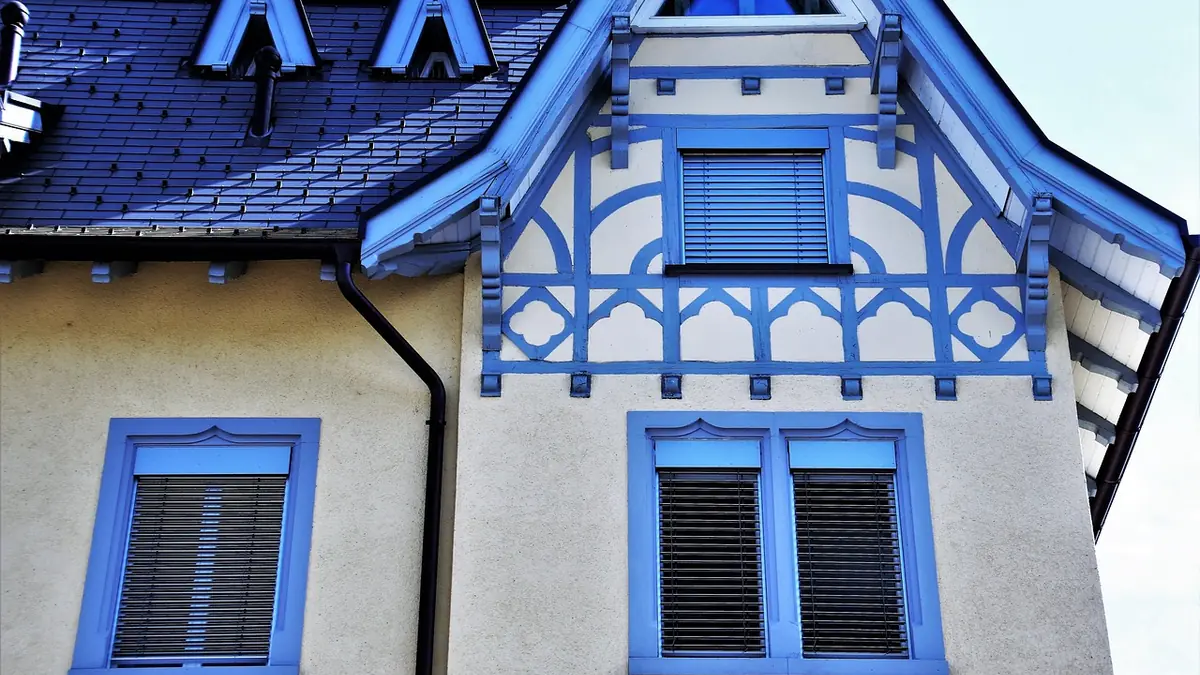
A Practical Guide to Buying a Home in Nidwalden: Down Payment, Transfer Taxes, Mortgage Options, and Seven Practical Steps from Budgeting to Receiving the Keys.
Context
At a Glance
- Nidwalden: A residential market with dynamics distinct from the national average
- Buying a home: Financial planning and documents to prepare carefully
- Mortgage: Equity requirement and affordability assessment
- Additional costs: Transfer taxes and notary fees to factor into your budget
Key Facts
- What: A practical guide to buying a home in the Canton of Nidwalden
- When: current context; to be reviewed annually
- Where: Canton of Nidwalden, Swiss Confederation
- Who: private buyers intending to purchase a property for residential purposes
- Amount: varies depending on the property price and financing
Buying a home in the Canton of Nidwalden requires careful preparation, because while Switzerland has a uniform federal framework for certain matters—such as property law and the tripartite tax structure—it grants the cantons broad autonomy regarding tax rates, building codes, and municipal procedures. For a buyer entering the Nidwalden real estate market for the first time, it is helpful to immediately distinguish between three levels of regulation: federal law (the Swiss Code of Obligations governing sales, real property law), Nidwalden cantonal legislation, and the regulations of individual municipalities, which may impose specific requirements or conditions.
The first concrete step is assessing financial feasibility. Before signing a preliminary agreement, the buyer should form a realistic idea of the market price in the chosen region—by comparing listings, data published by the Federal Statistical Office (UST/BFS), and information provided by banks and brokers—and, at the same time, verify their ability to take on debt with a sustainable mortgage. There is no federal minimum wage in Switzerland, so income assessment is based on actual salary, while the ratio of mortgage payment to income remains the key criterion.
Documents and Seller Verification
The preliminary phase involves analyzing the land registry extract, identifying any easements, encumbrances, and rights of first refusal, as well as verifying the property’s mortgage status. A technical inspection of the property is recommended to identify defects that could affect the price or require investments in the months following the purchase. Nidwalden, like the rest of Switzerland, does not mandate a single appraisal model, but banks granting mortgage loans generally require a professional appraisal to determine the property’s loan-to-value ratio.
The article continues with an analysis of ancillary costs and taxes, as well as the financing options available on the Swiss market.
Operational details
Purchase Costs and Applicable Taxes
In Switzerland, real estate taxes consist of several components that the buyer must factor in alongside the purchase price. Property transfer tax is regulated at the cantonal level: each canton applies its own tax rate and rules, so it is necessary to consult the Nidwalden cantonal tax authority to determine the exact amount due at the time of transfer of ownership. In addition, there are notary fees—which also vary depending on the notary’s fee schedule and the complexity of the transaction—as well as costs for registration in the land registry.
At the federal level, it is important to note that the Confederation does not impose a specific tax on the transfer of residential real estate: the Swiss tax system is based on the federal direct tax (IFD), the cantonal tax, and the municipal tax. The authority to set cantonal and municipal tax rates lies with the cantonal administrations and municipalities, never with the FTA/ESTV, which deals exclusively with the Federal Direct Tax (FDT) and VAT. It is therefore pointless to contact the ESTV for clarification on Nidwalden’s transfer tax; instead, you should consult the relevant cantonal office directly. The Federal Social Insurance Office (UFAS/BSV) and the SNB have no jurisdiction over real estate taxation.
Down Payment and Mortgage Affordability
The key issue for buyers in Nidwalden remains the equity requirement set by the Swiss banking system. Although there is no single federal regulation on this matter, established practice requires that the buyer have a substantial amount of equity relative to the property’s value. A portion of these funds may come from occupational pension plans (LPP/BVG) through an early withdrawal for a primary residence, or from Pillar 3a. The specific conditions for accessing these options are governed by federal pension legislation and cantonal regulations.
To assess affordability, the buyer must compare the projected mortgage payment with their income, while also taking into account the property’s ongoing costs (maintenance, LAMal/KVG premiums if they already have mandatory health insurance, and ancillary expenses). The prudential model adopted by the Swiss banking sector assesses the ability to service the mortgage not only at the current interest rate but also under scenarios involving higher rates. When determining the calculation rate, it is advisable to inquire with financial institutions about the assumptions they use.
Comparing Financing Options
Various types of mortgages are available on the market: fixed-rate, variable-rate (SARON), and hybrid. The choice depends on how long you plan to stay in the home and your personal risk tolerance. Comparing offers from multiple banks remains the most effective strategy for securing favorable terms, especially since the banking sector in Switzerland is highly competitive.
A second practical consideration involves recurring costs after the purchase: the periodic taxation of property value (property tax), premiums for mandatory fire insurance, and health insurance premiums under the LAMal/KVG—which are private, calculated on a per-capita basis, and do not constitute a payroll contribution, with cantonal premium reductions available for low-income earners. Although not all of these elements can be precisely quantified at the source, they must be included in the overall financial planning.
Useful planning tools
To estimate your pension strategy, use the pension planner and the pillar 3 simulator.
Key points
Purchase Process
Buying a home in Nidwalden follows a series of standardized steps that the buyer can manage independently or with the assistance of a consultant. A typical process consists of seven steps.
Step 1 — Financial Self-Assessment
Before contacting banks or sellers, the buyer gathers personal documentation (pay stubs, statements from the three pension pillars, and any other sources of income) and sets a rough budget. The calcolatore stipendio tool allows you to simulate the impact of the mortgage payment on your monthly net income.
Step 2 — Property Selection and Viewing
Once one or more properties of interest have been identified, the buyer conducts on-site visits and gathers information on the building’s condition, condominium fees (if it is a condominium), and local zoning regulations.
Step 3 — Mortgage Application
With the documentation gathered, the buyer submits mortgage applications to two or three banks. The banks assess the feasibility of the loan based on income, the property’s value, and the amount of available equity.
Step 4 — Preliminary Agreement and Deposit
After an agreement on the sale is reached, the parties sign a preliminary agreement and pay a confirmatory deposit. The amount of the deposit and the conditions for withdrawal are negotiated between the parties.
Step 5 — Preparation of the Notarial File
The notary verifies the documentation, prepares the public deed of sale, and coordinates the registration in the land registry. The notary’s fees are regulated at the cantonal level.
Step 6 — Payment of the Purchase Price and Transfer of Possession
On the agreed-upon date, the buyer pays the balance of the purchase price through the notary’s escrow account and receives the keys to the property. At the same time, the cantonal property transfer tax and registration fees are paid.
Step 7 — Insurance and Administration
After the purchase, it is advisable to update the mandatory fire insurance coverage and, if applicable, update your LAMal/KVG health insurance information using the guida salute form on the website. For salaried employees, AVS/AHV and LPP/BVG contributions continue to be withheld at source by the employer according to the current federal rates (AVS/AI/IPG 5.3% paid by the employee, with the employer paying a total of 10.6%).
To best prepare for your paycheck after taking out a mortgage, it is helpful to consult the comparatore busta paga form and simulate the deductions using the tax calculator. If the purchase involves a transition from tenant to homeowner, please note that the rules governing tenancy (Art. 253 et seq. of the Swiss Code of Obligations (CO), referred to in the source as federal law) no longer apply to the new situation. For a comprehensive assessment of costo della vita in Switzerland after the purchase, the website provides tools dedicated to analyzing the family budget.
For those wishing to learn more about cantonal real estate taxation, the starting point remains the Nidwalden tax administration, the only reliable source for current tax rates and local tax breaks.
Frequently Asked Questions
- What are the regulatory levels to consider when buying a house in Nidwalden?
- The buyer must distinguish three levels: federal law (Code of Obligations for Sale and Land Law), the cantonal legislation of Nidwalden and the regulations of the individual municipalities, which may set special charges or conditions. Federal law is uniform, while rates and procedures vary at the cantonal and municipal levels.
- How does real estate taxation work for the purchase in Nidwalden?
- The tax on transfers of property is regulated at the cantonal level: each canton applies its own rate and rules. To this are added notary fees and registration costs in the land register. The Confederation does not provide for a specific tax on the transfer of residential property. For current rates it is necessary to consult the cantonal tax administration of Nidwalden.
- How much equity do you need for a mortgage in Switzerland?
- There is no single federal regulation, but established practice provides that the buyer must have a substantial share of own funds with respect to the value of the property. A share may come from occupational pension (LPP) by advance levy for the primary dwelling, or from pillar 3a, according to the federal pension legislation.
- What forms of mortgage are available on the Swiss market?
- Fixed rate, variable rate (SARON) and multi-structure mortgages are available. The choice depends on the expected length of stay in the home and personal risk appetite. Comparing offers from multiple banks remains the most effective strategy, as the Swiss banking sector is highly competitive.
- What are the seven operational steps to buy a home in Nidwalden?
- The procedure is divided into: 1) financial self-assessment; 2) selection of the property and visit; 3) request for financing from two or three institutions; 4) compromise with a confirmatory deposit; 5) instruction of the notarial file; 6) payment of the price and delivery through the notary's escrow account; 7) updating of insurance, including mandatory coverage against fires.