Buying a house in the Canton of Schwyz: prices and mortgage
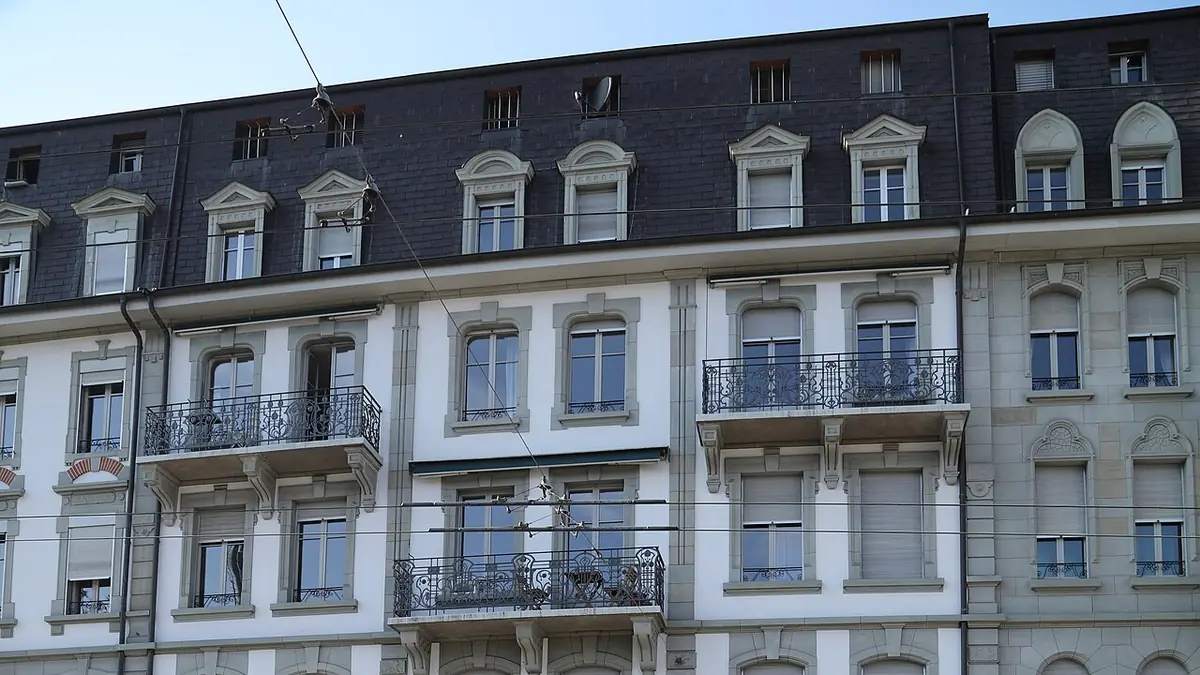
Practical guide to buying real estate in the Canton of Schwyz: analysis of average prices, requirements for own funds, sustainability of mortgage credit, transfer tax and notary fees.
Context
In a nutshell
- Analysis of prices and mortgage requirements in the Canton of Schwyz
- Calculation of the necessary own funds and sustainability
- Transfer tax, notary fees and federal and cantonal taxation
- Step-by-step procedure for the purchase of real estate
Key facts
- What: Purchase of a residential property
- Where: Canton of Schwyz
- Own funds: At least 20% of the value of the property
- Social security: Possible use of the second pillar LPP and the third pillar 3a
- Tax: Direct federal, cantonal and municipal tax
- Lease: Reference to the federal rules of the Code of Obligations for Rentals
- Currency: Swiss Franc CHF
- Institutions: Cantonal and federal administrations
The decision to buy a house in the Canton of Schwyz requires a careful financial assessment, structured around well-established parameters in the Swiss real estate market. The purchase process falls within the framework of federal and cantonal regulations governing land ownership, taxation and access to bank credit. Analyzing the personal economic and financial situation is the essential starting point for any buyer willing to invest in the brick.
The Swiss regulatory and financial framework
The Swiss real estate market, including that of the Canton of Switzerland, is based on strict but transparent rules regarding financing and guarantees. Banks and credit institutions apply criteria
Operational details
The practical analysis of the sustainability of the mortgage loan represents the crucial step to avoid risks of over-indebtedness in the medium and long term. Swiss financial institutions calculate mortgage sustainability by applying a theoretical interest rate, usually set at a prudential level above current market rates, to verify that the total fixed costs of the home do not exceed a certain percentage of the buyer's annual gross income. This simulation serves to protect the owner from any future increases in interest rates set by the SNB, ensuring that the household budget can support spending even in less favourable economic scenarios.
Sustainability and calculation of necessary income
In addition to mortgage interest calculated on the theoretical rate, the sustainability calculation includes mandatory debt amortization and estimated maintenance costs of the property. Depreciation usually provides for the repayment of a significant part of the bank loan within a pre-established period of time, often linked to reaching retirement age according to the provisions of the AVS/AHV pension. The costs of maintenance and provision for the conservation of the value of the property are estimated as a fixed percentage of the estimated value of the asset. If the sum of theoretical interest, depreciation and ancillary expenses exceeds a significant portion of gross income
Useful planning tools
To estimate your pension strategy, use the pension planner and the pillar 3 simulator.
Key points
The operational phase of purchasing real estate in the Canton of Schwyz requires compliance with precise deadlines and the handling of administrative and notarial formalities. Once the desired home has been identified and a price agreement has been reached with the seller, the parties proceed to draft and sign the preliminary contract or directly the final deed of sale. The notarial deed must be executed by an authorized public notary in the Canton of Schwyz, who also handles the official registration of the transfer of ownership at the competent cantonal land registry, the moment that legally establishes the transfer of property rights.
Additional costs and real estate taxation
Purchasing a home involves incurring additional costs that vary depending on the regulations of the Canton of Schwyz and its municipalities. The main items include notarial fees for drafting documents and land registry fees, in addition to the real estate transfer tax applied at the cantonal or municipal level according to current rates. On the ongoing tax front, the owner will be subject to property wealth tax and imputed rental income tax (rental value), integrated into the three-tier taxation system which includes direct federal, cantonal, and municipal taxes. To learn more about financial planning and the impact on income and taxation, you can consult the services dedicated to tax returns via the link tax return.
Discover Ticino job offers updated daily: 4,000+ positions from Swiss companies hiring cross-border workers.
Frequently Asked Questions
- What are the minimum own funds required to buy a home?
- Swiss lenders generally require that at least twenty percent of the value of the property be covered by own funds. Of this share, an important part does not necessarily have to come from the second LPP pillar, but can be composed of free savings or funds from the third pillar 3a.
- How is the sustainability of the mortgage calculated?
- Sustainability is verified by applying a prudential theoretical interest rate to the borrowed capital, adding a fixed fee for debt amortization and an estimated percentage for the maintenance of the property. Total costs must not exceed a set fraction of annual gross income.
- What fees and expenses are paid during the notarial deed?
- During the deed and registration in the land register in the Canton of Schwyz, notary fees, registration fees and property transfer tax are paid, the rates of which vary according to the regulations of the canton and the municipality of location of the property.