Buying a house in Nidwalden: mortgages, taxes and procedure
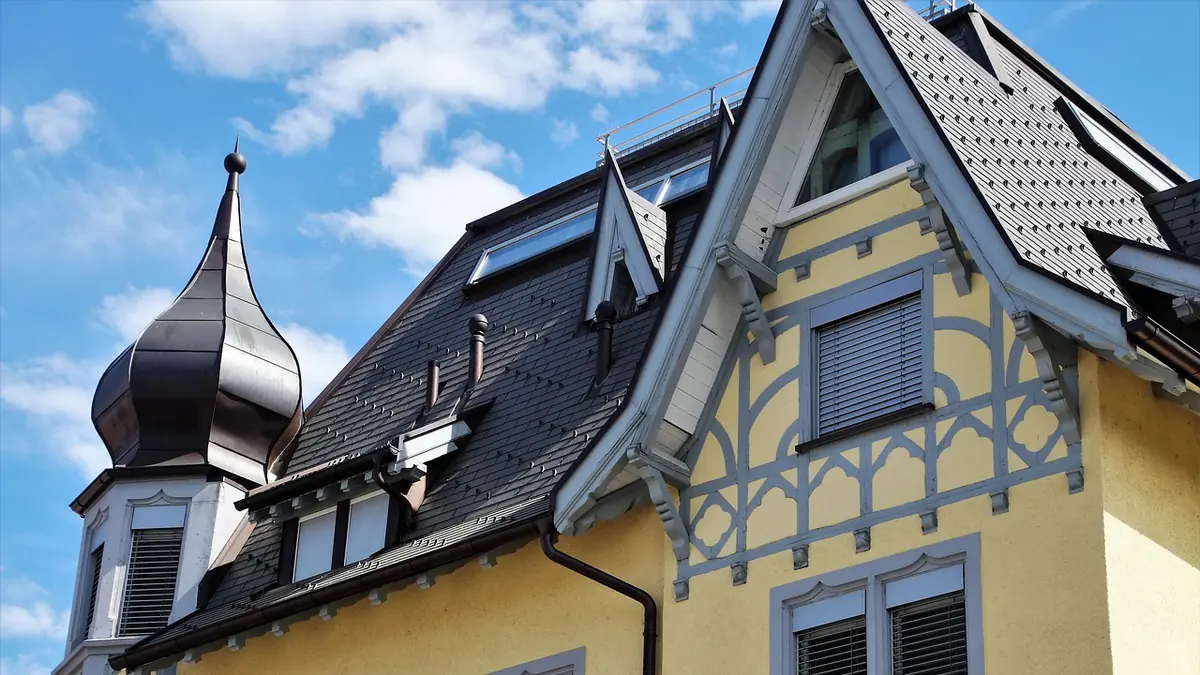
A Complete Guide to Buying a Home in the Canton of Nidwalden: Notary Procedures, Transfer Tax, Fees, and Sustainability Criteria for Mortgages in Switzerland.
Context
At a Glance
- Switzerland’s three-tier tax system: federal, cantonal, and municipal
- Transfer tax: levied by the canton upon transfer of ownership
- Notarization is mandatory for any real estate purchase
- Down payment and mortgage: approval criteria vary by bank
Key Facts
- What: Home purchase and related tax procedures
- When: Notarized signing and tax payment within the first tax year
- Where: Cantonal notary’s office, banks, tax office
- Who: Notary, lending institution, cantonal tax office
- Tax levels: Federal, cantonal, and municipal for each transaction
Buying a home in the Canton of Nidwalden involves a significant investment subject to specific Swiss regulations. The process of purchasing real estate follows a defined path, with mandatory involvement of notaries and taxes determined by the three-tier tax system: federal, cantonal, and municipal.
The Notary’s Role in the Process
In Switzerland, signing a real estate purchase deed requires the involvement of a notary, a professional regulated by federal law. The notary verifies ownership of the property, drafts the deed of sale, and oversees its registration in the canton’s land registry. This role is essential to ensure the legality and traceability of the property transfer. Without notarial involvement, the transfer is not valid.
The Swiss Tax System and Housing
Property taxation in Switzerland operates on three levels. The Confederation collects direct federal tax on income from real estate (rental income and capital gains). The cantons and municipalities set their own property and inheritance tax rates, which are applied locally. In the Canton of Nidwalden, as in every other canton, cantonal regulations determine specific taxes on property transfers. This three-tiered structure is unique to the Swiss system and varies significantly among cantons and municipalities.
Timing of the Transfer Tax
The property transfer tax is collected at the time of the property transfer, which is usually handled by the notary when the deed is signed. It falls under cantonal jurisdiction; therefore, the rate and collection procedures follow the specific laws of the Canton of Nidwalden. Payment is made during the notarial procedure and must be completed to finalize the property registration. Each canton has its own criteria for calculating and applying this tax, with significant differences based on the property’s price and the degree of kinship between the parties.
Operational details
Transfer Tax: Cantonal Variations
The transfer tax is an exclusively cantonal matter in Switzerland. This means that each canton has its own laws regarding the tax rate, exemptions, and calculation methods. In the canton of Nidwalden, as in Schwyz, Uri, and Glarus, the rates and criteria may differ significantly from those in cantons such as Zurich, Geneva, or Basel. Some cantons apply progressive rates based on the property’s price or the degree of kinship between the seller and buyer. Family purchases may qualify for significant tax breaks. Comparing transfer tax rates among neighboring cantons reveals just how much this tax affects the final cost of the purchase.
Notary Fees and Incidental Costs
In addition to the transfer tax, the purchase of a property involves notary and administrative fees. These include the notary’s fees (calculated based on the property’s value), land registry fees, stamp duties, and property appraisal costs required by the financing bank. In the Canton of Nidwalden, these costs are governed by the cantonal notary law, which establishes fees and calculation methods. The total expenses represent a significant percentage of the purchase price. It is advisable to request a detailed estimate from the notary before proceeding.
Mortgage Affordability: Bank Criteria
The ability to obtain a mortgage and its affordability depend on criteria defined by Swiss banks. Banks generally evaluate the ratio between the requested loan amount and the property’s value, the household income available for repayment, the applicant’s employment status, and their credit score. Most banks require a down payment, the amount of which varies by institution and the customer’s profile. Personalized banking advice is essential to understanding your financing options and your actual chances of securing a loan.
Comparison of Purchase Scenarios
To understand the total costs of a home purchase, it is helpful to examine hypothetical scenarios. Imagine a buyer who intends to purchase a property in the canton of Nidwalden. The negotiated price, available equity, the requested mortgage, the applicable transfer tax (determined by cantonal law), and notary and registration fees, when combined, provide an estimate of the total costs. When comparing the same transaction in a neighboring canton, differences in tax and administrative costs become apparent, highlighting the importance of also considering taxation when choosing where to buy. Online tools and calculators can help estimate these costs based on the specific situation.
Recommended tools
For an updated estimate, use the net salary calculator and the CHF-EUR exchange comparator.
Key points
Step-by-Step Procedure
The process of purchasing a home in Switzerland follows a specific sequence. The first step is to search for a property and negotiate the price with the seller. Once an agreement is reached, the parties sign a preliminary purchase agreement, a legally binding document that formalizes the intention to buy. Next, the buyer requests an appraisal of the property and submits a mortgage application to the bank. The bank approves the loan based on the appraisal and the applicant’s profile. Once approval is granted, the parties go to the notary’s office to sign the final deed. The notary verifies the documentation, records the transfer in the land registry, and collects the transfer tax. Finally, the notary transfers the funds to the seller, and the buyer becomes the legal owner.
Checklist of Essential Documents
Before proceeding, make sure you have the necessary documentation on hand: current title certificate (land registry extract), identification document, proof of income (tax returns or pay stubs for the last 2–3 years), employment contract, and a certificate of good conduct (if required by the bank). A professional property appraisal is essential, as the bank will use it to determine the maximum loan amount. All of these documents help speed up the process and reduce the time it takes to approve the mortgage. Prepare the documents in advance and check with the bank to see if any other specific documents are required.
Approximate Timeline for the Purchase
From the initial offer to the closing of the transaction, the process typically takes 2–4 months, depending on the complexity of the transaction and the bank’s processing speed. It usually takes 1–2 weeks from signing the purchase agreement to submitting the mortgage application. Mortgage approval takes 2–4 weeks on average. From approval to notarization, the time depends on the notary’s availability and the accuracy of the documentation—generally 1–2 weeks. Overall, once the property has been identified, the entire transfer process requires patience and coordination among the bank, the notary, and the seller.
Next Steps
If you’re considering purchasing a property in the Canton of Nidwalden, the first step is to contact local banks for preliminary advice on financing criteria and mortgage pre-approval. Next, consult a notary public registered in the canton for advice on transfer taxes and specific administrative fees. A real estate advisor can guide you in finding properties that fit your budget. Finally, use online tools and calculators to estimate tax amounts based on your specific situation. [nav:calculator] Use our calculator to estimate taxes and fees for your home purchase.
Frequently Asked Questions
- How much own funds are required for a mortgage loan in Switzerland?
- Banks in Switzerland require a share of own funds calculated in relation to the purchase price. The exact criteria vary from institution to institution and depend on the applicant's profile (income, professional situation, credit history, etc.). Typically, banks require a minimum share of equity as collateral. Consult your bank for specific details and mortgage pre-approval.
- What is pass-through tax?
- Transfer tax is a cantonal tax levied upon the transfer of ownership of a property from a seller to a buyer. It is paid at the cantonal level and the tax responsibility belongs to the canton where the property is located. In the Canton of Nidwalden, as in the other Swiss cantons, the rate and procedures vary according to cantonal law. It is usually handled by the notary during the signing of the deed of sale.
- What are the notary's costs for a home purchase?
- Notary fees for a home purchase include notary fees, land registry registration fees, revenue stamps and other administrative costs. These costs vary significantly based on property price and cantonal laws. In the Canton of Nidwalden, the notarial cantonal law establishes the rates. It is advisable to request a detailed quote from the notary registered in the canton before proceeding with the purchase.
- How can I check if a mortgage is sustainable for my situation?
- Swiss banks evaluate the sustainability of a mortgage based on criteria such as the ratio between the value of the loan and the value of the property, the repayment capacity calculated on family income, employment status and credit history. Each institution has its own risk assessment criteria. Consult a bank advisor for a personalized assessment of your situation and a pre-approval of the mortgage before proceeding with the offer.
- What steps do I need to take to buy a house in Switzerland?
- The typical procedure involves: 1) searching for the property, 2) offering and negotiating the price, 3) signing the purchase promise, 4) appraising the property, 5) approving the mortgage from the bank, 6) signing the deed of sale, 7) paying and transferring the property, 8) paying the transfer tax. Timescales vary, but the entire process typically takes 2-4 months from the time the promise is signed to final closure.