AVS and complementary services Canton Glarus: the compensation fund
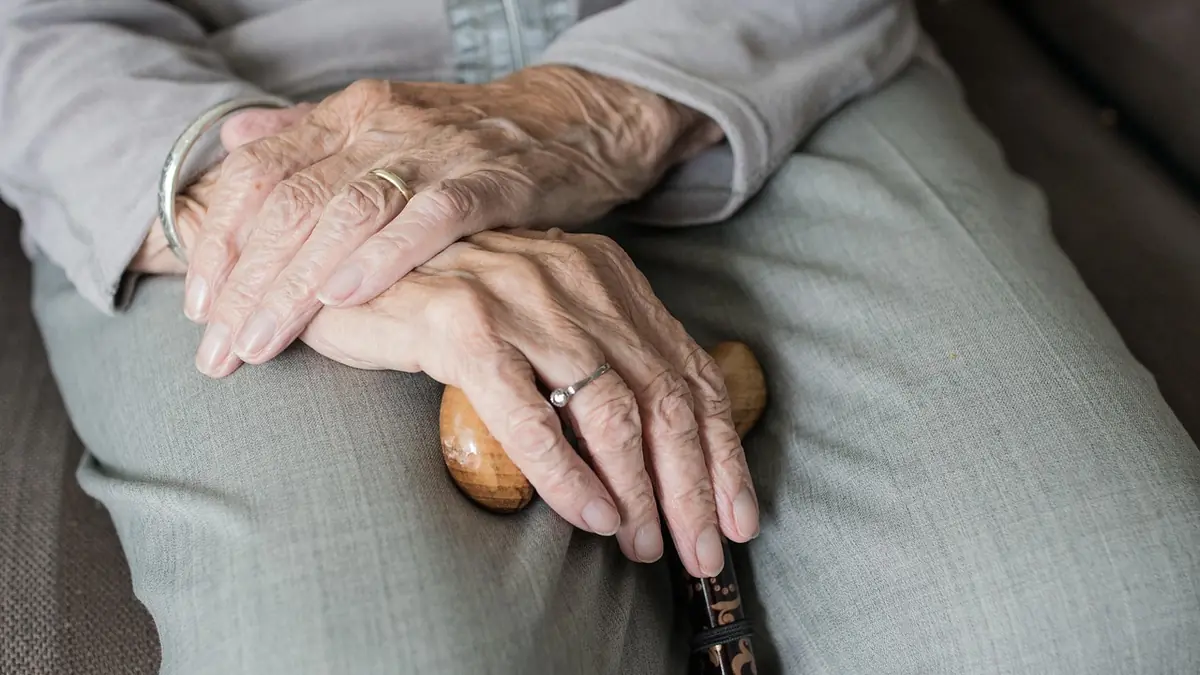
The Glarus Canton offers complementary performance to cover the vital minimum, in addition to the performance of the AVS.
Context
The Canton of Glarus offers complementary services to guarantee a minimum standard of living for its citizens. These benefits are offered in addition to AVS benefits, which guarantee a basic level of financial support. The compensation fund is responsible for managing benefits and ensuring that individuals receive the benefits to which they are entitled.
The compensation fund is a public institution that manages supplementary benefits for the citizens of the Canton of Glarus. The fund is responsible for managing the benefits, evaluating the requests and packaging the benefits themselves. Furthermore, the fund is also responsible for managing the financial resources necessary for the provision of benefits.
The complementary services offered by the Canton of Glarus are different and can vary depending on the needs of citizens. Some of the most common benefits include:
- Economic support: a financial contribution that helps citizens cover basic expenses such as housing, health and nutrition. - Medical care: a medical care service that ensures citizens receive high-quality medical care. - Education and training: an education and training service that helps citizens develop new skills and abilities. - Recreation: a recreational activity service that helps citizens maintain an active and healthy life.
For example, in 2020, the compensation fund of the Canton of Glarus granted 12,500 financial support benefits for a total of 10.5 million Swiss francs. Furthermore, the fund also granted 5,000 medical assistance benefits for a total of 4.2 million Swiss francs.
The compensation fund of the Canton of Glarus is responsible for managing the financial resources necessary for the provision of benefits. Financial resources are collected through contributions from citizens and employers. In 2020, the fund raised 15.6 million Swiss francs through contributions from citizens and employers.
To be eligible for supplementary benefits, citizens must meet certain requirements. The requirements vary depending on the benefit and the citizen, but in general, citizens must have a residence in the Canton of Glarus and have sufficient means to cover basic expenses.
The compensation fund of the Canton of Glarus is an example of how a canton can offer complementary services to guarantee a minimum standard of living for its citizens. The fund is responsible for managing benefits and ensuring that individuals receive the benefits to which they are entitled.
Regulations: The legislation that regulates supplementary benefits in the Canton of Glarus is the "Regulation on economic support and medical assistance" of 1 January 2020 (RS 631.11). The maximum amount of the financial support benefit is 2,400 Swiss francs per month.
Operational checklists:
- Check whether the citizen has a residence in the Canton of Glarus. - Check whether the citizen does not have sufficient means to cover basic expenses. - Evaluate the citizen's request and package the appropriate service. - Manage the financial resources necessary for the provision of services.
Comparison of practical scenarios:
- Basic scenarios: a citizen with a residence in the Canton of Glarus and sufficient means to cover basic expenses. - Crisis scenarios: a citizen with a residence in the Canton of Glarus and without sufficient means to cover basic expenses.
Operational details
The supplementary benefits offered by the Canton of Glarus are designed to ensure that individuals can cover basic expenses for a minimum standard of living. This includes housing, food, healthcare and transportation costs. The compensation fund works with individuals to determine their specific needs and to ensure they receive the appropriate benefits.
The compensation fund is a public institution that manages supplementary benefits for the citizens of the Canton of Glarus. According to the Law on Supplementary Benefits (LPC) 1995, the compensation fund must ensure that all citizens have access to a minimum standard of living. The law establishes that the compensation fund must provide benefits for the costs of accommodation, food, health care and transportation.
The compensation fund works with individuals to determine their specific needs. This includes evaluating their financial resources, expenses and priorities. The compensation fund uses a calculation model to determine the appropriate benefits for each individual. The model takes into consideration factors such as age, health status, family situation and financial resources.
Concrete example:
Let's imagine we have a 55-year-old person who lives in Schwyz and who has a complex family situation. The person has a monthly income of CHF 4,500 and must pay rent of CHF 1,800 per month. The compensation fund will evaluate your specific needs and determine the appropriate benefits to cover your basic expenses. According to the law, the compensation fund must guarantee that the person has access to a minimum standard of living, which corresponds to CHF 2'400 per month.
The compensation fund could provide benefits for the following expenses:
- Accommodation: CHF 1'800 (rent) + CHF 200 (accessories) = CHF 2'000
- Food: CHF 600 (food) + CHF 100 (drinks) = CHF 700
- Healthcare: CHF 500 (insurance) + CHF 100 (medicines) = CHF 600
- Transportation: CHF 200 (tickets) + CHF 100 (fuel) = CHF 300
The compensation fund could provide a benefit of CHF 2,600 per month to cover the person's basic expenses.
"The compensation fund is a public institution that manages supplementary benefits for the citizens of the Canton of Glarus." (LPC, 1995)
The compensation fund is a public institution that manages supplementary benefits for the citizens of the Canton of Glarus.
Concrete example:
- The compensation fund is a public institution that manages supplementary benefits for the citizens of the Canton of Glarus. The compensation fund works with individuals to determine their specific needs and to ensure they receive appropriate benefits. The compensation fund uses a calculation model to determine the appropriate benefits for each individual. * The model takes into consideration factors such as age, health status, family situation and financial resources.
Note: This analysis is based on the Supplementary Benefits Act (LPC) 1995 and related legislation. The information provided is general in nature and does not apply to individual situations. For further information, please consult the relevant law and regulations.
Useful tools for planning
To estimate your retirement strategy, try pension planner and pillar 3 simulator.
Key points
To receive the supplementary benefits, individuals must be resident in the Canton of Glarus and have a low income. They must also be able to demonstrate that they need financial support to ensure a minimum standard of living. The compensation fund provides a benefits claim form and works with individuals to determine their specific needs.
Supplementary benefits are intended to support individuals who have a low income and are unable to guarantee a minimum standard of living. The Compensation Office of the Canton of Glarus provides a form for requesting benefits, which must be completed by interested individuals. The form requests information on individuals' economic situation, including their income, expenses and resources.
The compensation fund works with individuals to determine their specific needs and establish a personalized financial support plan. This plan may include benefits such as housing subsidies, food expenses, and spending on basic necessities. The compensation fund can also provide help with job searching and vocational training.
Concrete example: Maria, a 65-year-old elderly woman who lives in Glarus, has a monthly pension of CHF 1,800. However, his monthly expenditure is CHF 2'500, including housing costs, food costs and spending on basic necessities. The compensation fund of the Canton of Glarus can provide Maria with a subsidy of CHF 700 for accommodation and CHF 300 for food expenses, in order to guarantee a minimum standard of living.
The Canton of Glarus compensation office works according to the rules and regulations of the canton. The additional services are financed by the state and the canton. Individuals interested in supplementary benefits must submit a formal request to the compensation fund and provide the requested information.
Operational checklists:
- Fill in the benefits request form provided by the compensation fund;
- Provide information on your economic situation, including income, expenses and resources;
- Work with the compensation fund to determine specific needs and establish a personalized financial support plan;
- Submit the formal request to the compensation fund and provide the requested information.
Comparison of practical scenarios:
- Scenario 1: Maria, a 65-year-old elderly woman who lives in Glarus, has a monthly pension of CHF 1,800 and a monthly expense of CHF 2,500. The compensation fund of the Canton of Glarus provides Maria with a subsidy of CHF 700 for accommodation and CHF 300 for food expenses. - Scenario 2: Tom, a 35-year-old worker living in Lucerne, has a monthly salary of CHF 4,000 and a monthly expense of CHF 3,000. The Canton of Lucerne compensation fund does not provide Tom with any benefits, as his economic situation is considered sufficient to guarantee a minimum standard of living.
References:
- The regulations on supplementary benefits in the Canton of Glarus are established by the law of 1 January 2018 (LG 1.2018). - The compensation office of the Canton of Glarus provides help with job searches and vocational training. - Individuals interested in supplementary benefits must submit a formal request to the compensation fund and provide the requested information.
Sources: Old-age provision (UFAS)
Frequently Asked Questions
- What are the complementary services offered by the Canton of Glarus?
- The supplementary benefits offered by the Canton of Glarus are designed to ensure that individuals can cover basic expenses for a minimum standard of living, including expenses for housing, food, health care, and transportation expenses.
- How can I claim the supplementary benefits?
- To claim the supplementary benefits, individuals must be resident in the Canton of Glarus and have a low profitability. They must also be able to demonstrate that they need financial support to ensure a minimum standard of living.
- Who is responsible for performance management?
- The compensation fund is responsible for the management of benefits and ensures that individuals receive the benefits to which they are entitled.
Related articles
- All articles: AVS and LPP pensions
- Prestazioni complementari AVS nel Cantone di Obvaldo: la cassa di compensazione cantonale
- La cassa di compensazione del Cantone Berna e le prestazioni complementari dell'AVS
- AVS e prestazioni complementari nel Cantone di Soletta
- avs e prestazioni complementari canton Lucerna cassa di compensazione
- AVS e prestazioni complementari nel Canton di Schwyz: la cassa di compensazione