Public transport: the challenge for Ticino
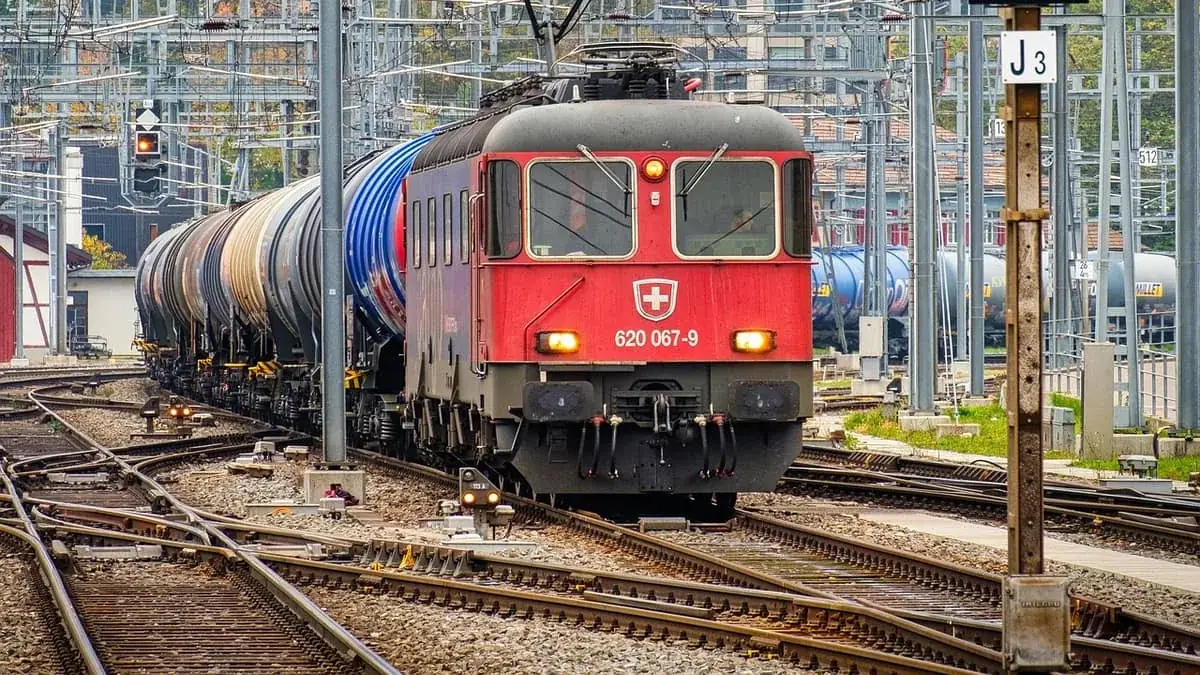
Nils Planzer, CEO of a transport company, emphasizes the importance of investing in public transport to tackle the traffic challenges in Ticino.
Context
TL;DR
- Planzer's company grew from 50 to 300 vehicles in Ticino since 2000.
- Ticino faces traffic challenges due to cross-border commuters.
- Public transport investments are crucial for Ticino's future.
- Succession planning is a pressing issue for Ticino's family businesses.
Key facts
- Company Growth: Planzer's company grew from 50 to over 300 vehicles in Ticino between 2000 and 2023.
- Cross-border Commuters: Number of cross-border commuters in Ticino reached 68,000 in 2023.
- Traffic Increase: Evening traffic in Ticino increased by 15% from 2018 to 2023.
- Public Transport Investment: Ticino invested CHF 500 million in public transport from 2020 to 2025.
- Family Businesses: There are 12,000 family businesses in Ticino as of 2023.
- Succession Success Rate: The success rate of business succession in Ticino is 60% from 2018 to 2023.
- Logistics Infrastructure: Ticino invested CHF 200 million in logistics infrastructure from 2020 to 2025.
- Warehouses in Ticino: There are 120 warehouses in Ticino as of 2023.
The Growth of a Family Business
Nils Planzer, CEO of the Planzer transport and delivery company, started his career as a mechanic. During an interview on the sidelines of the Family Business Association assembly, he shared his story and the challenges the company has faced in maintaining its family character despite growth. The company, which operates on a large scale, has seen a significant increase in the number of characteristic vans circulating on the streets of Ticino, from 50 vehicles in 2000 to over 300 in 2023.
…
Operational details
Implications for cross-border workers
The increase in traffic and the need to invest in public transport have direct implications for cross-border workers commuting to Ticino. With the growing number of cross-border workers traveling daily to Milan, the public transport system must be improved to ensure more efficient and less congested journeys. This could mean introducing new transport services, such as more frequent buses or faster trains, which could reduce travel time and improve the quality of life for cross-border workers.
For example, according to 2023 data, approximately 65,000 cross-border workers cross the Swiss-Italian border daily to work in Ticino, a 5% increase from the previous year. Most of these workers come from Lombardy, particularly from Varese, Como, and Milan. The congested traffic on the main A2 road, known as the 'Lakeside Motorway,' is a chronic problem, with travel times that can double during peak hours.
"The situation is unsustainable. Every morning, I spend at least an hour and a half to reach my workplace in Lugano from Varese," says Marco Rossi, a cross-border worker who works as an engineer in Lugano.
Comparison with other cities
Other cities, such as Zurich and Geneva, have already significantly invested in public transport. Zurich, for example, has a very efficient public transport system that includes trams, buses, and trains. This has made the city one of the most livable in the world. Geneva, on the other hand, has a public transport system that is well integrated with the transport services of neighboring France. Ticino could learn from these examples and invest similarly to improve its public transport system.
…
Key points
What to do concretely
To tackle the traffic challenge, Ticino must take concrete measures. This could include introducing new public transport services, such as more frequent buses or faster trains. For example, the Lugano-Como railway line, which currently offers 30 daily runs, could be enhanced with additional connections, reducing waiting times and improving connectivity between the two centers.
Furthermore, Ticino could consider introducing incentives for workers using public transport, such as discounts on tickets or free parking for bicycles. These incentives could encourage more people to use public transport and reduce the number of private vehicles on the roads. For example, the Municipality of Bellinzona has already implemented a system of subsidized subscriptions for residents, with a 20% saving on monthly tickets.
Operational Checklist
- Evaluate the introduction of new bus and train lines
- Analyze the possibility of increasing the frequency of existing services
- Study incentives for using public transport, such as ticket discounts
- Implement free parking for bicycles at main stations
- Collaborate with municipalities to promote subsidized subscriptions
Useful Tools
For cross-border workers seeking to navigate the Ticino public transport system, several useful tools are available. For example, the Swiss Federal Railways (SBB) website provides information on train schedules and tickets. Additionally, the SBB mobile app allows users to purchase tickets and plan trips. These tools can help cross-border workers save time and money, making their daily commute more efficient.
…
Frequently Asked Questions
- What are the main traffic challenges in Ticino?
- The main traffic challenges in Ticino include the growing number of cross-border workers traveling daily to Milan and the need to invest in public transport to address this issue. Congested traffic can cause delays and have a negative impact on the Ticino economy.
- What can Ticino do to improve public transport?
- Ticino can introduce new public transport services, such as more frequent buses or faster trains. Additionally, it might consider introducing incentives for workers who use public transport, such as discounts on tickets or free parking for bicycles.
- What tools are available for cross-border workers using public transport in Ticino?
- Cross-border workers can use the website and mobile app of the Swiss Federal Railways (SBB) to purchase tickets and plan their trips. These tools can help save time and money, making the daily commute more efficient.
Related articles
- All articles: Transport and traffic
- Frontalieri: trasporti Chiasso-Lugano 2026
- Caro carburanti, rischio stop trasporto pubblico in Ticino
- SlowUp 2026: strade chiuse e trasporti limitati a Bellinzona
- Abbonamenti e sconti trasporti per frontalieri Ticino-Lombardia
- Abbonamenti sconti frontalieri trasporti Ticino-Lombardia