Fuel prices threaten public transport in Ticino
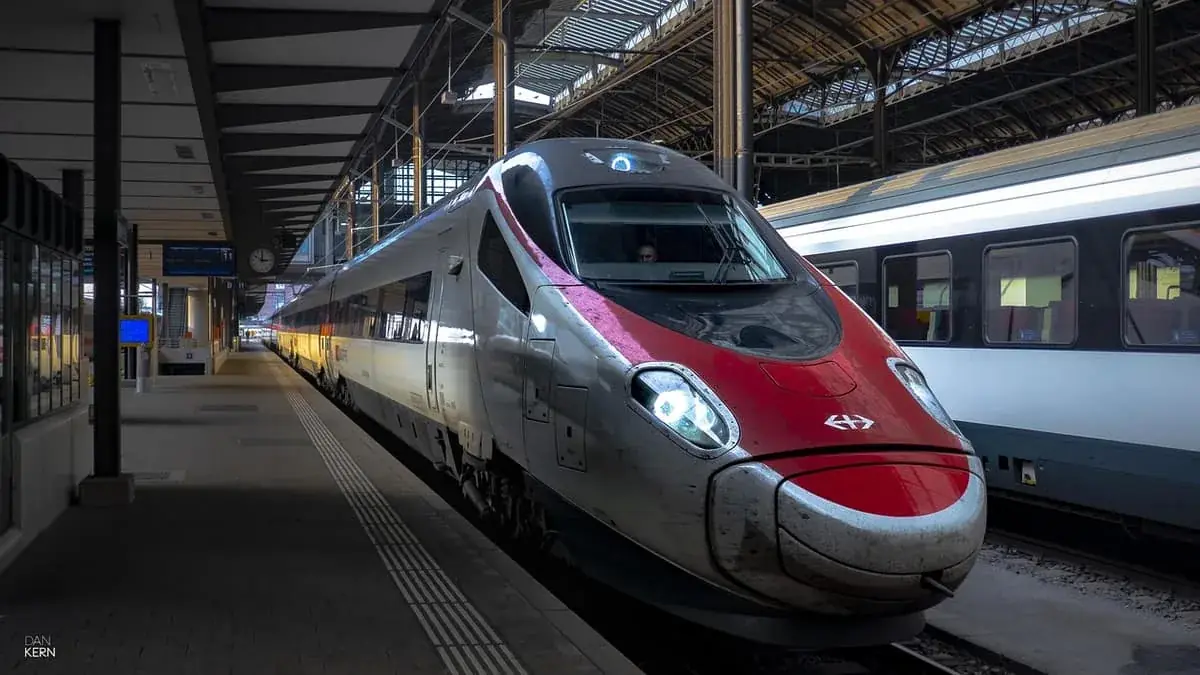
High fuel prices are threatening local public transport, with additional costs estimated at 0.54 million euros per day for diesel.
Context
In brief
- Rising fuel costs threaten local public transport
- Additional costs estimated at 0.54 million euros per day for diesel
- Risk of service cuts or stops
Key facts
- What: Rising fuel costs
- When: April 27, 2026
- Where: Italy
- Who: Agens, Municipalities
- Amount: 0.54 million euros per day for diesel
The rising fuel costs risk grounding local public transport. Agens, the Association representing the interests of the transport and services sector within the Confindustria system, has noted that the current crisis has generated significant economic burdens for public transport. The estimated additional daily costs are 0.54 million euros for diesel alone. The prospective annual extra cost is over 200 million euros, and the overall extra cost for the sector is over 400 million euros, including commercial transport operated with the remaining 47% of the national fleet.
This scenario is causing distress for companies in the sector, which risk having to cut services or worse, stop operations. For this reason, they are asking the Government to extend the tax credit to vehicles used for passenger transport in order to compensate for the extra energy costs.
Implications for Ticino
The rising fuel costs could have a significant impact on public transport in the Canton of Ticino, where many cross-border workers depend on public transport to travel between Italy and Switzerland. Local transport companies may have to face increased operating costs, with possible repercussions on the services offered.
The call from Agens is joined by municipalities from north to south. 'The rising fuel costs - says to Adnkronos/Labitalia, Eugenio Patanè, the Mobility Assessor of the Municipality of Rome - affect local public transport in terms of costs, which become higher. Even if in recent years it does not weigh as much as before, because the public transport fleet is equally divided between 30% methane, 30% hybrids, 30% electric. In any case, it does not affect the security that the service works.'
'Public transport - explains to Adnkronos/Labitalia Edoardo Cosenza, Assessor for Infrastructures, Mobility and Civil Protection of the Municipality of Naples - is energy-intensive and therefore the rise in fuel costs will certainly affect the costs of the local public transport system. We are talking about a service where the ticket office covers a third of the costs. We hope for help from the government and the Region, so as not to have to cut schedules because it is a service for the citizen.'
'We as Municipalities - underlines - through Anci will certainly make proposals to help the transport system, perhaps with a mix of funds between the government and the Region, if possible. The last thing we want to do is increase the cost of tickets. Naples has a particularly low ticket cost: the metro costs 1.50 cents and the bus 1.30 cents. Obviously, we do not want to reduce the service either, but we have to see how long the crisis lasts.'
The real test will be the second quarter of the year. Amat, the urban public transport company of Palermo, is also dealing with the rise in fuel costs. A surge, that of energy costs linked to the international crisis, which at national level is calculated at over 20 million euros every month, and which for the company in via Roccazzo could translate in the coming months into a double-digit percentage increase.
In the first quarter of the year, the expenditure for the energy item for the in-house company of the Municipality of Palermo was one million and 848 thousand euros, just 6 thousand euros more than in 2025, but the effects of the increases are expected in the coming months. 'At the moment it is only possible to make hypotheses, according to our estimates the increase will be 20-25%', says to Adnkronos the president of the city transport company, Giuseppe Mistretta, for whom, beyond the evolution of the conflict in the Middle East, however, there remains a fact to deal with. Immediately.
'The energy procurement policy of urban public transport companies -
Operational details
Impact on cross-border workers
The rise in fuel prices could have a significant impact on cross-border workers who use public transport to travel between Italy and Switzerland. With the increase in fuel costs, local transport companies may face higher operating costs, which could affect the services they provide.
Cross-border workers who rely on public transport to travel between Italy and Switzerland may face possible service cuts or ticket price increases. This could significantly impact their quality of life and their ability to move easily between the two countries.
Comparison with the previous situation
In recent years, the public transport fleet has been diversified with the introduction of methane, hybrid, and electric vehicles. This has reduced the impact of rising fuel prices on local public transport. However, the current energy crisis is also putting a strain on these vehicles, with possible repercussions on operating costs.
Possible scenarios
If the rise in fuel prices persists, local transport companies may have to face service cuts or ticket price increases. This could significantly impact cross-border workers who rely on public transport to travel between Italy and Switzerland.
However, if the government and regions intervene with support funds, local transport companies may be able to maintain current services without significant cost increases for passengers.
Conclusion
The rise in fuel prices represents a significant challenge for local public transport, with possible repercussions for cross-border workers who rely on public transport to travel between Italy and Switzerland. However, with the intervention of the government and the regions, local transport companies may be able to maintain current services without significant cost increases for passengers.
Useful tools to protect your net income
To reduce FX leakage, compare CHF-EUR exchange options and banks for cross-border workers.
Key points
What to do if you're a cross-border worker
If you're a cross-border worker using public transport to travel between Italy and Switzerland, it's important to monitor any changes in the services offered by local transport companies. In case of service cuts or ticket price increases, you might need to consider alternative transport options, such as using private vehicles or carpooling.
Useful Tools
To monitor any changes in public transport services, you can use the transport cost calculator available on the Frontaliere Ticino website. This tool will allow you to calculate the costs of public transport and compare them with other transport options.
Additionally, you can use the ticket comparator to compare the costs of tickets from different local transport companies and find the most convenient solution for your needs.
Conclusion
The rise in fuel prices represents a significant challenge for local public transport, with possible repercussions for cross-border workers who rely on public transport to travel between Italy and Switzerland. However, with the intervention of the government and the regions, local transport companies may be able to maintain current services without significant cost increases for passengers. Monitor any changes in the services offered by local transport companies and use the tools available on the Frontaliere Ticino website to find the most convenient solution for your needs.
Source: varesenoi.it
Frequently Asked Questions
- What are the main concerns of local public transport companies?
- The main concerns of local public transport companies are the increases in fuel costs, which could lead to service cuts or ticket price hikes. This could significantly impact cross-border workers who rely on public transport to travel between Italy and Switzerland.
- What can cross-border workers do to cope with high fuel prices?
- Cross-border workers can monitor any changes in services offered by local transport companies and consider alternative transport options, such as using private vehicles or carpooling. Additionally, they can use tools like the transport cost calculator and ticket comparator available on the Frontaliere Ticino website to find the most convenient solution for their needs.
- What are the possible solutions to cope with high fuel prices?
- Possible solutions to cope with high fuel prices include government and regional intervention with support funds for local transport companies. Furthermore, local transport companies could further diversify their vehicle fleet by introducing methane, hybrid, and electric vehicles to reduce the impact of high fuel prices on operating costs.
Related articles
- All articles: Energy and fuel
- Trasporto pubblico: la sfida per il Ticino
- Lago di Como: Pullman Turistici e Bus di Linea Sotto
- Caro energia in provincia di Varese: impatti su imprese e frontalieri
- Caro-carburanti: dove fare il pieno in Ticino | Frontaliere
- SlowUp 2026: strade chiuse e trasporti limitati a Bellinzona