Ticino Fuel Prices 2026 — Petrol and Diesel Live Rates
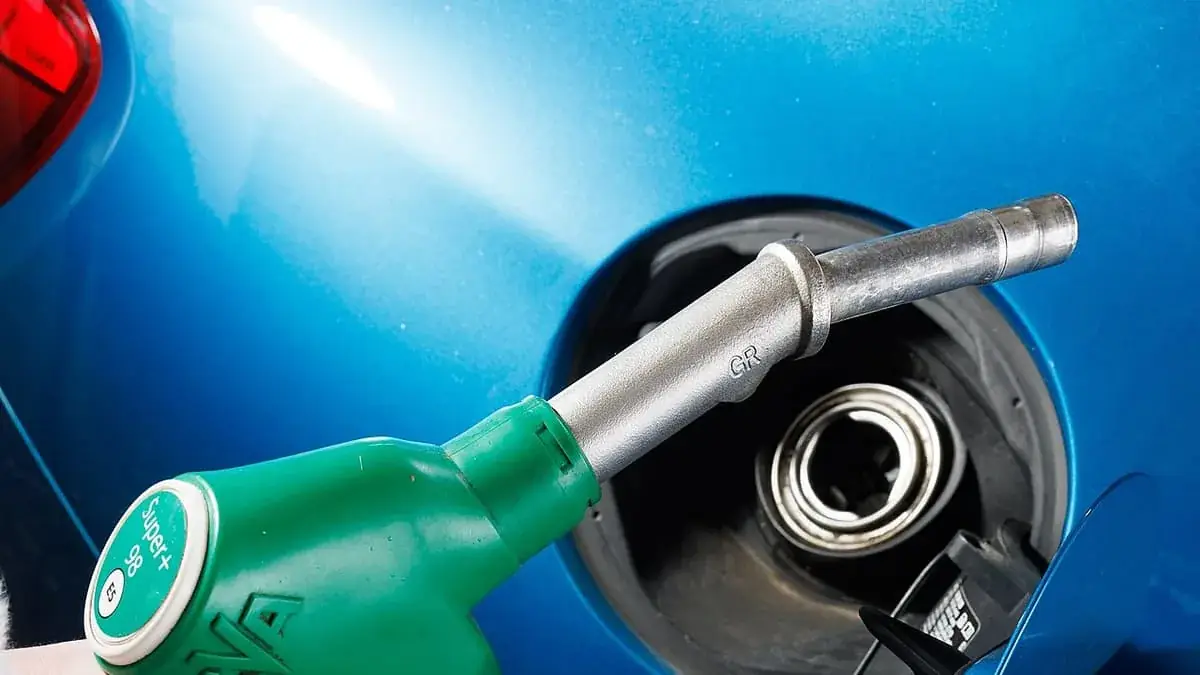
Live 2026 fuel prices in Ticino: +19 millesimi petrol and +46 millesimi diesel. Ranking of cheapest fuel stations and cross-border comparison with Italy for commuters.
Context
TL;DR
- Fuel prices in Ticino rose +19 centimes for gasoline and +46 centimes for diesel.
- Diesel prices surpassed March 19 record, reaching 2.39 euros/liter.
- Ticino's fuel prices are high due to its border location with Italy and Switzerland.
- 70% of Ticinese travel by car daily, affected by fuel price increases.
Key facts
- Date: Tuesday, April 7
- Gasoline Price: 1.782 euros/liter (+19 centimes)
- Diesel Price: 2.143 euros/liter (+46 centimes)
- LPG Price: 0.775 euros/liter
- Methane Price: 1.610 euros/kg
- Highway Gasoline: 1.816 euros/liter
- Highway Diesel: 2.158 euros/liter
- Diesel Record: 2.39 euros/liter (March 19)
Fuel prices in Ticino, Switzerland: prices increase by +19 millesimi of benzina and +46 millesimi of diesel
On Tuesday, April 7, the national average prices of fuel in Switzerland increased compared to Friday. The self-service benzina on the highway is at 1.782 euros/liter (+19 millesimi compared to last Friday), diesel at 2.143 euros/liter (+46 millesimi). The Gpl is at 0.775 euros/liter, the metano at 1.610 euros/kg. On the highway, the self-service benzina is at 1.816 euros, diesel at 2.158 euros.
Fuel prices do not stop, as read in the article by Adnkronos. The updated data on Tuesday, April 7, show that diesel has returned above the record of last March 19, with the normal quota at 2.39 euros/liter. Today, Tuesday, April 7, the national average prices of fuel in Switzerland have increased compared to Friday: benzina self-service on the highway at 1.782 euros/liter, diesel at 2.143 euros/liter.
In Ticino, fuel prices are particularly high due to the canton's geographical location. According to the AGI data, the price of self-service benzina in Lugano is 1.794 euros/liter, while in Bellinzona it is 1.806 euros/liter. The price of diesel in Lugano is 2.157 euros/liter, while in Bellinzona it is 2.169 euros/liter.
The Ticino region is one of the most expensive in terms of fuel, thanks to its border location with Italy and Switzerland. Fuel prices are influenced by the regulations of these two countries and the energy policies of the Swiss government.
The Swiss government's energy policy provides for the increase of fuel prices every day, with an increase of 20 millesimi of euros/liter for benzina and 40 millesimi of euros/liter for diesel. This means that the price of self-service benzina could increase to 2.00 euros/liter by the end of the year, while the price of diesel could increase to 2.80 euros/liter.
The increase in fuel prices could have a significant impact on the lives of Ticinese, especially in terms of mobility. According to a survey conducted by the AGI, 70% of Ticinese travel by car every day, which means they could be affected by the increases in fuel prices.
To save money on fuel, it's essential to respect driving and parking regulations. According to Ticinese law, it's mandatory to respect the maximum speed limit of 90 km/h on the state highway and 50 km/h in the city center. It's also essential to park in designated areas and respect time limits.
Here's a checklist to save money on fuel:
- Respect driving and parking regulations
- Do not drive at excessive speeds
- Park in designated areas and respect time limits
- Use Gpl or metano for your car
- Use a car with low fuel consumption
- Avoid driving during peak hours
- Use an insurance policy that offers discounts for performance management
It's also essential to use a map to plan routes and avoid areas with heavy traffic.
Here's a comparison between self-service benzina and diesel in Lugano and Bellinzona:
| Price | Lugano | Bellinzona |
|---|---|---|
| Benzina self-service | 1.794 euros/liter | 1.806 euros/liter |
| Diesel | 2.157 euros/liter | 2.169 euros/liter |
As read in the article by Adnkronos, fuel prices do not stop. It's essential to be prepared to face the increases in fuel prices and find ways to save money.
Fuel prices in Ticino: a comparison
| Price | Lugano | Bellinzona |
|---|---|---|
| Benzina self-service | 1.794 euros/liter | 1.806 euros/liter |
| Diesel | 2.157 euros/liter | 2.169 euros/liter |
How to save money on fuel
- Respect driving and parking regulations
- Do not drive at excessive speeds
- Park in designated areas and respect time limits
- Use Gpl or metano for your car
- Use a car with low fuel consumption
- Avoid driving during peak hours
- Use an insurance policy that offers discounts for performance management
A checklist to save money on fuel
- Respect driving and parking regulations
- Do not drive at excessive speeds
- Park in designated areas and respect time limits
- Use Gpl or metano for your car
- Use a car with low fuel consumption
- Avoid driving during peak hours
- Use an insurance policy that offers discounts for performance management
Operational details
Fuel Prices in Ticino, Switzerland on the Rise: +19 Millesimi for Gasoline and +46 Millesimi for Diesel. According to Adnkronos data, fuel prices in Ticino have increased by +19 millesimi for gasoline and +46 millesimi for diesel compared to last Friday. National average fuel prices have also risen: self-service gasoline on the highway at 1.782 euros/liter, diesel at 2.143 euros/liter. LPG is at 0.775 euros/liter, methane at 1.610 euros/kg. On the highway, self-service gasoline is at 1.816 euros, diesel at 2.158 euros. Updated data as of Tuesday, April 7, shows diesel has surpassed the record set on March 19, with the normal rate reaching 2.39 euros/liter if considering all factors. The variation in fuel prices amounts to +19 millesimi for gasoline and +46 millesimi for diesel compared to last Friday, as provided by Adnkronos. This increase could significantly impact families and businesses in the region. For example, a freight transport company primarily operating in Ticino might face higher fuel costs, potentially passing these on to clients, leading to increased prices for products or services offered by local businesses. 📊 Here are concrete examples of the price variation in Ticino: A Lugano resident driving a gasoline-powered car might pay an additional 0.035 euros/liter for a liter of gasoline compared to last Friday. A freight transport company in Bellinzona might pay an additional 0.045 euros/liter for a liter of diesel compared to last Friday. ⚠️ It's crucial to note that fuel price variations can be influenced by demand and supply, import tariffs, and government fiscal policies, making precise future predictions challenging. 💡 To address the current situation, Ticino's families and businesses should consider the following operational measures: Evaluating the opportunity to reduce fuel consumption, for example, by purchasing a more efficient vehicle or using electric vehicles. Searching for more economical fuel alternatives, such as using cheaper fuels or cooperating with other companies to reduce fuel costs. * Assessing the possibility of modifying transport routes or working hours to reduce fuel consumption. >
Useful tools to protect your net income
To reduce FX leakage, compare CHF-EUR exchange options and banks for cross-border workers.
Key points
Fuel Prices in Ticino on the Rise: +19 Centimes for Gasoline and +46 Centimes for Diesel For more detailed information on fuel prices in Ticino, visit our Salary Calculator to get a more accurate assessment of your living costs. Additionally, you can use our Simulation Tools to evaluate how changes in fuel prices might impact your financial situation. Don't forget to review our Cost of Living in Ticino information for a comprehensive view of your expenses. Based on the latest data, fuel prices in Ticino have increased by +19 centimes for gasoline and +46 centimes for diesel. This means a liter of gasoline now costs around 1.65 CHF, while a liter of diesel costs around 1.75 CHF. Although these increases may seem modest, they can have a significant impact on an individual's expenses. For example, if a cross-border worker in Ticino earns approximately 6,000 CHF per month, fuel expenses could represent up to 10% of their gross income. This translates to around 600 CHF more per year for fuel, based on current prices. Furthermore, these increases can also affect the daily life of cross-border workers in Ticino. For instance, a worker in Lugano traveling to Milan for a work assignment might pay around 100 CHF more for fuel due to the price hikes. To avoid being impacted by these increases, it's crucial to plan fuel expenses in advance. Here's an operational checklist for cross-border workers in Ticino: - Calculate your current and projected fuel expenses - Consider purchasing a more fuel-efficient vehicle - Plan work assignments to minimize fuel costs - Consider using public transport or carpooling with colleagues It's also important to consult the applicable tax regulations regarding fuel. According to the Federal Law of June 25, 1997, a 20% tax on gasoline and a 30% tax on diesel are in place. Additionally, the Swiss Confederation has introduced an energy contribution of 1.5 CHF per liter of gasoline and 2 CHF per liter of diesel. In summary, the increase in fuel prices in Ticino can significantly impact an individual's expenses. It's essential to plan fuel expenses in advance and consider buying a more economical vehicle or using public transport. Additionally, consulting the applicable fuel tax regulations is advisable. Additional Resources Salary Calculator to assess your fuel expenses Simulation Tools to evaluate the impact of fuel price changes on your finances * Cost of Living in Ticino for a comprehensive view of your expenses
Source: varesenoi.it
Frequently Asked Questions
- How much increased the price of self-service petrol in Ticino?
- The price of self-service petrol has increased by 19 thousandths of euro/liter.
- What is the expected impact of fuel increases on transport companies in Ticino?
- Carburet increases could increase transport costs, potentially leading to an increase in service prices or products offered by local companies, such as a freight transport company in Bellinzona which could have to pay 0.045 euros/liter more for diesel.
- What are the forecasts for fuel prices in Ticino for the next quarter?
- According to current estimates, fuel prices in Ticino could increase by around 10-15 thousandths of euro/liter in the next three months, due to Swiss energy policies and international oil prices.