Control Operation in Mendrisiotto Construction Sites: No Irregularities Found
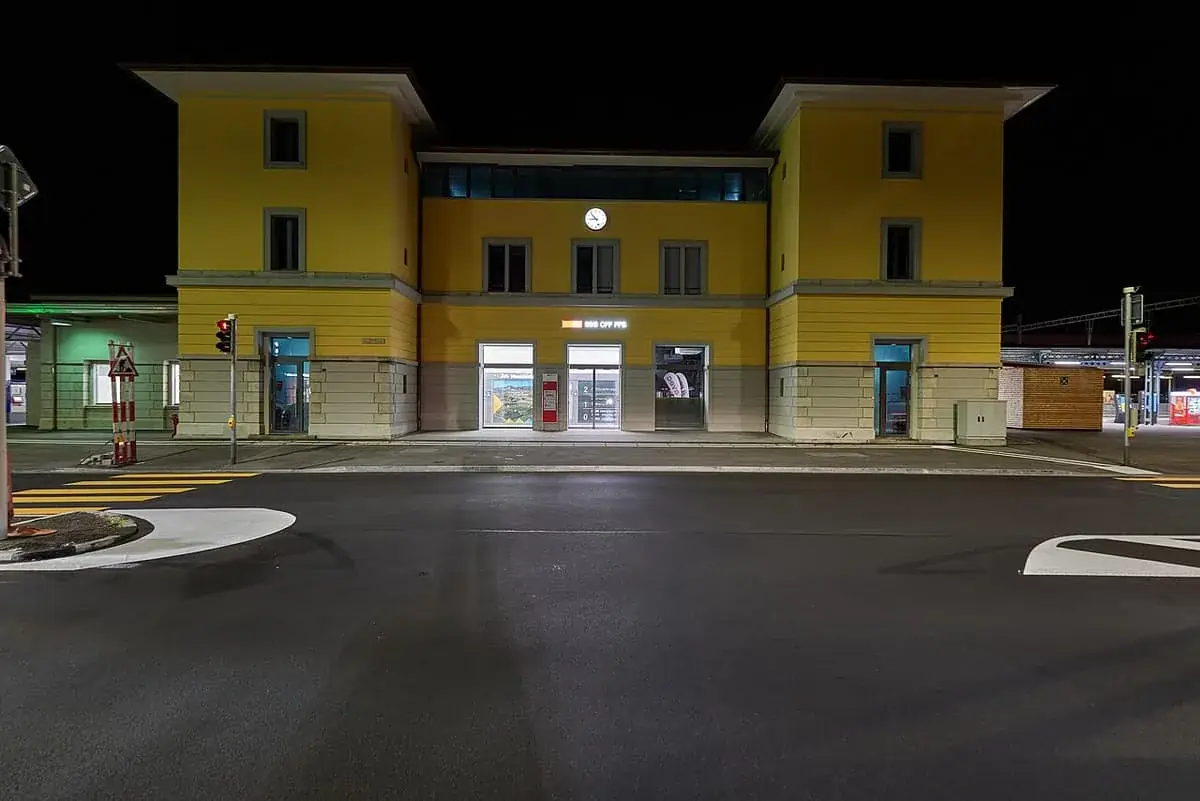
Thorough checks in seven construction sites in Mendrisiotto: 66 workers involved, no irregularities detected. Here's what emerged.
Context
TL;DR
- No irregularities found in Mendrisiotto construction sites.
- 66 workers checked across 7 sites on October 23.
- Focus on wages, permits, and safety compliance.
Key facts
- Data: Tuesday, October 23.
- Luogo: Mendrisiotto, including Chiasso, Mendrisio, and Coldrerio.
- Lavoratori controllati: 66 workers across 7 construction sites.
- Regolamenti verificati: Wages, collective contracts, work permits, and contribution regularity.
- Esito: No irregularities found in wages, working hours, and residence permits.
- Sanzioni possibili: Fines up to CHF 50,000 and activity suspension for irregularities.
- Lavoratori transfrontalieri: About 65% of the workforce in the sector.
- Stipendio minimo: CHF 4,800 per month for qualified workers.
Control operation in the Mendrisiotto construction sites: no irregularities found
On the morning of Tuesday, October 23, the Canton of Ticino Police, in collaboration with the Labor Inspectorate Office and the Canton’s Joint Construction Committee, conducted an intensive verification operation across seven active construction sites in Mendrisiotto, involving a total of 66 workers. This intervention represented a decisive moment to strengthen the protection of regular employment in the construction sector, particularly sensitive in this strategic area of Canton Ticino, which includes municipalities such as Chiasso, Mendrisio, and Coldrerio.
The main objective was to ensure full compliance with local and federal regulations, particularly regarding wages, collective contracts, work permits, and contribution regularity. The decision to intervene in Mendrisiotto stems from increased attention towards a sector often subject to checks, partly due to the numerous construction companies and collaborations with Swiss companies and cross-border workers. It is noteworthy that in 2023, checks led to the verification of approximately 450 workers and 120 construction companies throughout the region, with a particular focus on residence permits issued to cross-border workers, who represent about 65% of the workforce in the sector.
After several hours of inspection, the conducted checks yielded positive results: no irregularities were found in terms of wages, compliance with working hours, and residence permits. This outcome is part of a collaborative framework among institutions committed to maintaining high standards of legality in the construction sector, also through periodic checks and awareness campaigns.
The coordination between authorities allowed for a thorough examination of every aspect: document checks, verification of safety conditions, and residence permits, with particular attention to safety conditions on construction sites, subject to precise regulations such as the federal law of December 13, 1993, on health and safety at work, and the cantonal regulations adopted in 2022, with penalties ranging from 1,000 to 10,000 francs in case of irregularities.
The adopted operational checklist included:
- Verification of employment contracts and payslips
- Control of residence and work permits
- Inspection of safety conditions
- Verification of working hours and residence permits
- Control of social security and welfare contributions
Comparing practical scenarios, it is noted how the presence of irregularities, such as non-payment of overtime or the use of invalid permits, can lead to fines of up to 50,000 francs and suspension of activities. In contrast, the inspected construction sites on this occasion showed a high level of compliance with regulations, contributing to a climate of trust between businesses and workers.
This operation is part of a broader framework of periodic checks in the Ticino territory, essential tools to combat irregular practices, protect cross-border workers, and ensure a competitive and law-abiding construction market.
Operational details
To delve deeper into the relevant regulations, it is crucial to consider the cantonal and federal laws governing the construction sector, the employment of cross-border workers, and compliance with administrative deadlines. Swiss law provides for periodic checks, with procedures involving inspectors and supervisory authorities, such as the Labor Inspectorate Office.
In particular, the checks focus on several aspects:
1. Residence and work permits: it is essential to verify the validity of the issued authorizations, such as the G permit for cross-border workers, which must be renewed every five years. In 2022, Ticino recorded approximately 70,000 cross-border workers, highlighting the importance of rigorous checks.
2. Collective contracts and wages: ensuring compliance with the agreements in force, such as the collective labor contract for the construction sector, which stipulates a minimum wage of CHF 4,800 per month for qualified workers.
3. Safety conditions: checking the protective measures on construction sites is essential, especially in municipalities like Mendrisio and Chiasso, known for their intense construction activity. In 2023, the number of safety inspections increased by 15% compared to the previous year.
4. Contributions and taxation: ensuring compliance with contribution and tax obligations is crucial, with penalties that can range from fines up to CHF 50,000 in case of repeated violations.
The main deadlines of this regulation provide for periodic checks, often on a quarterly or semi-annual basis. For example, inspections in the Mendrisiotto construction sites are concentrated during specific periods of the year, such as before the start of the summer season, to ensure safety during intensive work.
In the event of irregularities, penalties range from fines to suspension of activities, up to potential criminal proceedings. However, in the recent intervention, all checks were successfully passed, confirming the effectiveness of the practices adopted by local companies. In a specific case, a company from Cantello received praise for its exemplary management of regulations.
For cross-border workers and Ticino companies, knowing and complying with these regulations is the key to avoiding penalties and maintaining transparent operations. An operational checklist for workers includes:
- Document verification: checking the validity of the work permit.
- Salary control: ensuring that the salary complies with the collective contract.
- Safety: informing about the safety measures adopted on-site.
In case of doubts, it is essential to contact the competent authorities such as the Labor Inspectorate Office or trade unions. Cooperation between authorities and businesses must be continuous and based on transparency to maintain a healthy and compliant construction sector.
Useful tools to protect your net income
To reduce FX leakage, compare CHF-EUR exchange options and banks for cross-border workers.
Key points
For those working in the construction sector in Mendrisiotto, this recent control operation has provided reassurance about the attention that Canton Ticino pays to the legality of activities. With the positive outcome of this verification, which involved over 50 construction sites in the municipalities of Mendrisio and Chiasso, trust between businesses, workers, and authorities is strengthened. During the checks, no irregularities were found, demonstrating a collective commitment to transparency and fairness.
However, it is advisable to remain vigilant: similar checks will be conducted regularly, with a quarterly schedule announced by the Labor Directorate. Businesses must always be prepared with updated documents that comply with regulations, such as employment contracts and payslips that meet legal requirements, based on the Labor Law of March 13, 2008.
If you are a worker or a company in the construction sector, we recommend regularly consulting the 📊 [salary calculator] to monitor the correctness of wages, which for 2023 are set at a minimum of CHF 4,200 for a qualified worker. Additionally, it is crucial to stay updated on legal regulations, especially regarding employee registration obligations and tax deadlines.
Finally, for further information on regional and federal regulations, or to verify your work permits, we invite you to utilize the tools available on the Frontaliere Ticino website. ⚠️ Remember that correct information and adherence to the rules are the best strategy to operate within the law and maintain a solid and reliable professional activity. Always ensure you have an operational checklist available, which includes:
- Signed employment contracts
- Updated payslips
- Registration of employees with the competent office
- Tax documentation in order
This approach not only protects you from possible penalties but also contributes to a safer and more respectful working environment.
Official sources: Working-time rules (SECO)
Frequently Asked Questions
- What are the rules of control for the yards of the Mendrisiotto?
- The control rules for the yards of the Mendrisiotto include the verification of labor contracts and pay envelopes, the control of residence and work permits, the inspection of safety conditions, the verification of working hours and residence permits and the control of social and welfare contributions.
- What is the rate of frontier workers in the construction industry in Ticino?
- The labour force in the building sector in Ticino is 65%.
- What are the main regulations governing the work of the frontier workers in the building sector between Switzerland and Italy?
- The main regulations include the G permit for frontier workers, the collective contract of work in the building sector, and the laws on safety at work. These rules guarantee minimum wages, safety conditions and regularity of permits, protecting both workers and companies involved.
Related articles
- All articles: Border and customs
- Controlli cantieri: Ticino perfetto, Como nel caos
- Controlli nei Cantieri del Mendrisiotto
- 25 anni di emergenze sanitarie: il S.A.M. di Mendrisiotto
- Mendrisiotto: tre eventi e strade chiuse nel fine settimana
- Accertamenti fiscali ai lavoratori frontalieri: controlli e difesa