Health insurance subsidies in Mendrisio: unacceptable delays for cross-border workers
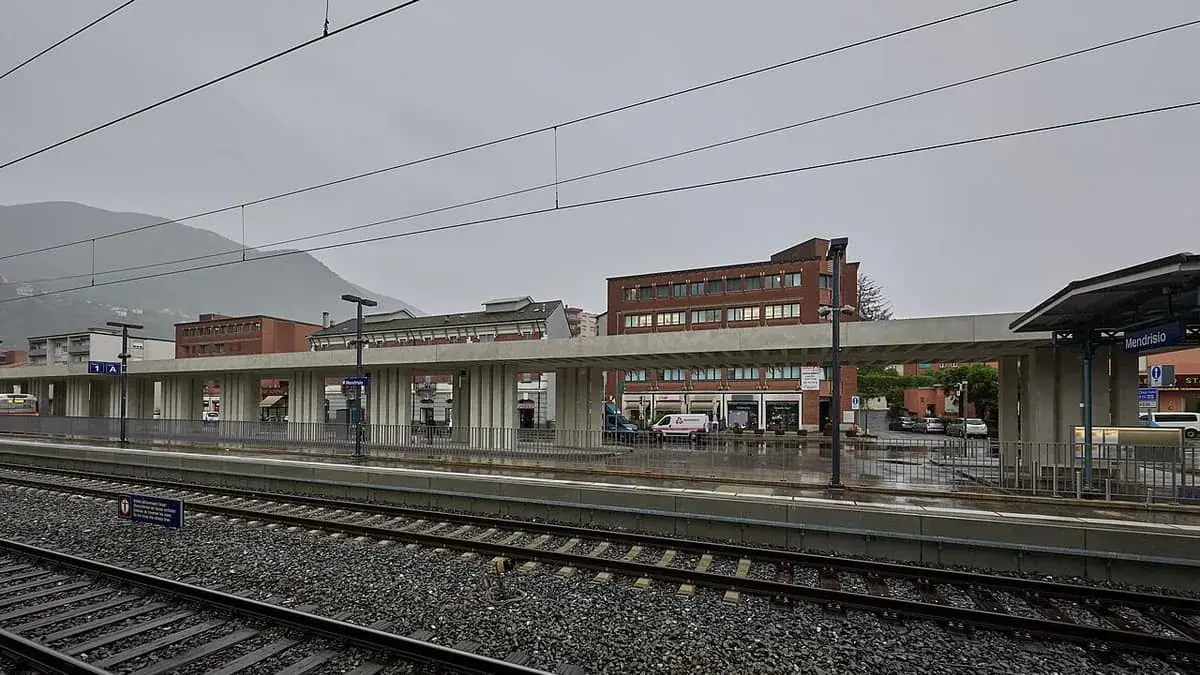
In Mendrisio, the Municipal Council is under fire: delays of up to May for health insurance subsidies. Councillor Robbiani is demanding explanations and extraordinary measures for affected families.
Context
TL;DR
- Mendrisio residents face delays in health insurance subsidies until May 2026.
- Cross-border workers are heavily impacted by the delays.
- Municipal social services are overwhelmed by inquiries.
- Canton accused of inefficiency in subsidy disbursement.
Key facts
- Issue: Delays in disbursement of health insurance subsidies in Mendrisio.
- Date: Delays expected to continue until May 2026.
- Location: Mendrisio, Canton of Ticino, Switzerland.
- Affected Group: Hundreds of residents, including many cross-border workers.
- Criticism: Municipal councillor Massimiliano Robbiani criticizes local and cantonal authorities for inefficiency.
- Impact: Families face financial hardship, risking inability to pay insurance premiums or other essential expenses.
- Cross-border Workers: Face additional financial and logistical uncertainty, especially for medical emergencies.
- Canton's Role: Responsible for disbursing subsidies but accused of bureaucratic delays and lack of coordination.
Mendrisio, 18 April 2026 — Delays dragging on until May. This is the situation facing hundreds of residents—including many cross-border workers—in Mendrisio regarding the disbursement of subsidies for health insurance premiums. The alarm has been raised directly in an oral question submitted to the Municipality by Ticinesi League municipal councillor Massimiliano Robbiani, who denounces an unacceptable inefficiency on the part of both local and cantonal authorities.
According to the text of the question, numerous eligible individuals have yet to receive either a response or the amounts owed, despite the technical processing times having long since expired. The situation has persisted for weeks, forcing many families—already struggling with ever-increasing insurance costs—to turn to municipal social services offices for explanations. Here, the pressure on staff is immense: every day, dozens of people show up to demand concrete answers.
Councillor Robbiani points the finger at the Municipality of Mendrisio’s passive role with regard to cantonal authorities. Among the questions posed to the municipal executive, the inquiry stands out regarding how many citizens have approached social services offices to seek clarification on the delays. Furthermore, the question asks about the Municipality’s ability to actively urge the Canton to intervene and resolve the impasse.
But the issue is not merely one of timing. Delays in subsidy disbursement translate into immediate financial hardship for families, who often rely on this aid to pay their insurance premiums—costs described as a true burden on household budgets. Without these subsidies, families risk being forced to choose between paying for health insurance or covering other essential expenses, such as rent, utilities, or daily groceries.
The situation takes on even more critical tones when considering the impact on cross-border workers, many of whom reside in Italy and commute daily to Ticino for work. For these workers, delays in subsidy payments represent an additional source of financial and logistical uncertainty, particularly if they must manage medical emergencies or sudden healthcare expenses.
The Canton’s role: where coordinated action fails?
In the oral question, Robbiani does not spare criticism of the Canton’s role, accusing it of turning a blind eye to a situation that risks spiralling out of control. The subsidies for health insurance premiums are indeed disbursed by the Canton itself, but the process appears to be stalled at multiple levels:
- Bureaucratic delays in processing applications
- Lack of coordination between municipal social services offices and cantonal authorities
- Overwhelmed social services unable to cope with the volume of requests
The key question posed to the Municipality of Mendrisio concerns what concrete actions have been taken to urge the Canton to intervene. To date, according to the question, no emergency intervention plan has been defined to support citizens awaiting their due payments.
What risks do cross-border workers face without subsidies?
'The delays in subsidy payments are creating a ripple effect of financial instability, particularly for those who rely on these funds to meet their most basic needs. For cross-border workers, the situation is compounded by the added pressure of commuting across borders, where healthcare costs can quickly escalate.'
📊 Impact on families: Many households are forced to dip into savings or take on debt to cover insurance premiums, while others may delay medical care due to financial constraints.
💡 Possible solutions: Some suggest streamlining the application process or increasing staffing in social services to reduce backlogs.
⚠️ Long-term risks: Prolonged delays could deter cross-border workers from continuing to commute to Ticino, exacerbating labour shortages in key sectors.
For cross-border workers, who cross the border every day to work in Ticino, delays in benefit payments represent a double problem: on the one hand, the failure to disburse contributions jeopardizes health coverage; on the other, economic uncertainty affects their ability to maintain their jobs and residency.
In particular, many cross-border workers living in Lombardy or Piedmont rely on these subsidies to offset the cost of Swiss health insurance, which can easily exceed 1,000 CHF per month for a family. Without this support, the risk is having to give up adequate health coverage or, worse still, facing medical expenses with no safety net.
Unanswered questions from Councillor Robbiani
In the written question, the municipal councillor does not stop at denouncing the issue but also calls for immediate action to address the emergency. The requests explicitly stated in the document include:
- A list of citizens who have submitted applications and have not yet received a response
- The measures taken by the Municipality to urge the Canton to act
- Any temporary support measures for families facing financial hardship
The Municipality of Mendrisio has yet to provide an official response to these questions. What is certain is that, in the meantime, citizens continue to flood the social services offices, hoping at least to receive an explanation.
The delay in disbursing health insurance subsidies in Mendrisio is not an isolated incident but risks becoming an emblematic case for all Ticino. If the problem is not urgently addressed, it is the families — and cross-border workers in particular — who will pay the highest price for a bureaucracy that seems unwilling to listen.
Operational details
The issue of delays in cross-border workers' health insurance subsidies in Mendrisio is not just a matter of timing, but a full-blown social emergency affecting thousands of families, including many cross-border workers. To grasp the concrete impact of this situation, it's essential to analyze what happens when subsidies fail to arrive on time and what alternatives citizens are forced to turn to.
Before vs. after: what changes for cross-border workers
Before the current delays, health insurance premium subsidies arrived within the deadlines set by cantonal law, typically within 30 to 45 days of submitting the application. For cross-border workers, this meant being able to plan family budgets without worry, knowing that the bulk of their insurance premium would be covered by the canton.
Today, however, the delay can stretch to two months or more, forcing families to resort to emergency solutions to cover healthcare expenses. Here are some real-life scenarios:
| Scenario | Before (timely subsidies) | After (current delays) |
|---|---|---|
| Paying the insurance premium | The subsidy covered 70–80% of the premium | The subsidy doesn’t arrive, forcing families to pay the full premium or take out loans |
| Unexpected medical expenses | The subsidy was paid on time, covering any extra costs | Without the subsidy, the family must pay out of pocket, risking debt accumulation |
| Family budget planning | The budget was stable, with predictable income | Economic uncertainty forces cuts to essential expenses (e.g., children’s education, rent) |
The burden of healthcare costs on family budgets
For many families—especially those with children or elderly members—health insurance premiums represent a significant expense. According to estimates from the parliamentary question, the average premium for a family of four in Ticino is around 1,200–1,500 CHF per month. Without the subsidy, this figure becomes an unsustainable burden, particularly for cross-border workers who, in addition to healthcare costs, face extra expenses like cross-border travel and maintaining two residences.
In these cases, families are forced to reorganize their lifestyles: some forgo non-urgent treatments, others turn to private loans or financial help from relatives, and some even rely on public healthcare structures in Italy, where costs are lower but service quality can vary significantly.
The psychological impact: anxiety and frustration
No less significant is the psychological toll of the situation. For citizens, the failure to receive subsidies isn’t just an economic problem—it’s also a deep sense of abandonment by the institutions. Many cross-border workers, accustomed to an efficient healthcare system like Switzerland’s, now find themselves grappling with slow, opaque bureaucracy.
The pressure on local social services offices is enormous: every day, dozens of people arrive seeking updates, only to receive no concrete answers. This breeds frustration and anger, especially among those who feel penalized simply for living across the border.
What can cross-border workers do while waiting for subsidies?
Until the Canton resolves the situation, cross-border workers can take several practical steps to mitigate the impact of the delays:
1. Check the status of their application
- Contact the Social Office of their municipality directly for updates on their case
- Submit a formal request for expedited processing to the Canton via their local town hall
2. Request partial or installment payments
- Some health insurance funds allow splitting premium payments into monthly installments, easing immediate financial pressure
3. Turn to local solidarity funds
- Some Ticino municipalities, including Mendrisio, have emergency funds to support families facing financial hardship
- It is possible to apply for these aids, though the amount may not cover the full premium
4. Explore alternative healthcare options
- For urgent medical expenses, some cross-border workers turn to public healthcare services in Italy, where costs are lower
- However, this solution comes with risks: wait times can be long, and service quality is not always guaranteed
📊 The role of cross-border worker associations
Associations representing cross-border workers — such as the Ticino-Lombardy Association or the Federation of Cross-Border Workers — are beginning to mobilize to urge authorities to take action. In particular, they are demanding:
- Greater transparency on subsidy payment timelines
- A roundtable involving the Canton, municipalities, and cross-border worker representatives to find concrete solutions
- Immediate support measures for the most affected families
Until these requests are addressed, the situation will remain critical, with repercussions not only economic but also social and psychological for thousands of people.
The absence of health insurance subsidies is more than a bureaucratic issue; it poses a real threat to the well-being of Ticino families and cross-border workers. Without timely intervention, the risk is that more and more people will be forced to choose between their health and financial stability.
Useful tools to protect your net income
To reduce FX leakage, compare CHF-EUR exchange options and banks for cross-border workers.
Key points
The delays in the disbursement of health insurance subsidies in Mendrisio are becoming an emergency that can no longer be ignored. If until now citizens have been able to count on a system that, despite its defects, guaranteed at least a minimum of support, today that system seems to have stalled. Here's what cross-border commuters and their families can do to deal with this situation, step by step.
Step 1: Check the status of your application
The first step is to check if your application has been received and if it is being evaluated. To do this, you need to:
1. Contact the Social Office of your municipality (for residents of Mendrisio, the office is in Via alla Stazione 1, 6850 Mendrisio) 2. Submit a written request for an update on the file, specifying the file number (if available) 3. Ask for a copy of the application receipt protocol, which certifies that the file has been registered
If the application is not registered, it is possible that there has been a delay in registration by the cantonal office in charge. In this case, it is necessary to submit a new application, accompanied by all the required documentation.
Step 2: Solicit the canton through official channels
If the application is registered but the subsidy does not arrive, the next step is to actively solicit the Canton. Here's how to do it:
1. Send a formal reminder request to the Department of Health and Social Affairs (DSS) of the Canton of Ticino - Address: Via Orico 5, 6500 Bellinzona - Email: [email protected] - Phone: +41 91 814 41 11 2. Attach a copy of the application submitted and the registration receipt 3. Request a written response within a specified deadline (e.g. 10 working days)
If the Canton does not respond within the deadline, it is possible to file a formal complaint with the Appeal Office of the Canton of Ticino or, in the most serious cases, to contact the Ticino Administrative Court. However, this route requires time and legal costs, so it is advisable to reserve it only for situations of extreme urgency.
Step 3: Request emergency aid from the municipality
Many Ticino municipalities, including Mendrisio, have solidarity funds for families in economic difficulty. To access it, you need to:
1. Submit a written application to the Social Office of the Municipality, specifying: - The family economic situation - The amount of the health insurance premium not covered by the subsidy - Any urgent medical expenses 2. Attach documentation proving the situation (payslip, bank statements, medical bills) 3. Wait for the evaluation by the municipal commission, which can provide one-off or installment aid
In case of emergency, some municipalities can speed up the procedure, but it is essential to submit the application as soon as possible.
Step 4: Evaluate alternative solutions for health coverage
If the subsidy does not arrive and health care costs become unsustainable, some families may consider:
- Registration with the Italian National Health Service (SSN) for non-urgent care, by contacting the competent Health District (e.g. ASL of Como for residents of Chiasso) - Apply for reimbursement of medical expenses through the Swiss health insurance company, keeping all receipts and submitting the application within the deadlines - Use mutual aid associations that offer health coverage at reduced costs for cross-border commuters
However, these solutions are not without risk: the Italian NHS, for example, does not always guarantee the same timeliness as Swiss insurance companies, and reimbursements through health insurance companies can take months.
Deadlines and timelines: what to know
- Deadline for submitting the subsidy application: generally by 31 March of the current year for the previous year's awards. However, for 2026, the deadline has not yet been officially announced. - Cantonal response times: according to cantonal regulations, the response should arrive within 30-45 days, but currently delays exceed 60-90 days. - Reminder practices: the Municipality of Mendrisio has not yet defined an official procedure for soliciting the Canton, but it is possible to submit a formal request for intervention through your Municipality.
Useful tools for cross-border commuters
To deal with this emergency, cross-border commuters can make use of some tools offered by Frontaliere Ticino:
- Calculator of the cost of living in Ticino: to assess how much health insurance premiums affect the family budget - Health insurance comparison: Find the most economical solution that suits your needs - Guida ai sussidi cantonali: to understand what aids are available and how to request them - List of municipal social offices: to find the direct contacts of the offices in charge
What will happen in the next few days?
The Municipality of Mendrisio has 10 working days to respond to Councillor Robbiani's question. If the answer is not exhaustive, the topic is likely to return to the attention of the press and public opinion. Meanwhile, citizens continue to wait:
- By the end of April 2026: possible response from the Municipality of Mendrisio - May 2026: deadline for submitting applications for subsidies for the current year - June 2026: deadline for the disbursement of back benefits (if the canton unblocks the situation)
If the canton does not intervene promptly, the situation risks degenerating, with more and more families forced to give up essential care or go into debt to meet health costs. A responsibility that, if not addressed now, could have lasting social repercussions.
Source: tio.ch
For a precise net salary calculation, use our tax comparator: compare take-home pay between G and B permits with all 2026 deductions.
Frequently Asked Questions
- What are the criteria for receiving the health insurance subsidy in Ticino?
- The subsidies are granted by the Canton of Ticino to residents with an income below an annually set threshold. For 2026, the threshold has not yet been officially published. Applications must be submitted by 31 March 2026 through the applicant’s local municipality, accompanied by income and household documentation. It is not explicitly stated whether cross-border workers residing in Italy can access the subsidy, but past local practices have allowed access to those working in Ticino.
- I submitted my application in Mendrisio in March 2026. When can I expect to receive the subsidy?
- According to cantonal regulations, a response should arrive within 30-45 days of registration. However, as of 18 April 2026, delays exceed 60 days, and no official explanations have been provided. The Mendrisio Municipality has yet to announce a timeline for resolving the situation.
- Can I request an installment payment for my health insurance premium if I do not receive the subsidy?
- Yes, some health insurance providers allow premiums to be split into monthly installments. To activate this option, contact your health insurer directly (e.g., CSS, Swica, Helsana) and submit a written request explaining the delay in receiving the subsidy. Some providers may apply interest, so it is advisable to clarify this in advance.
- Who should I contact if the Mendrisio Municipality does not respond to my requests?
- The first step is to send a formal written request to the Mendrisio Municipality (Via alla Stazione 1, 6850 Mendrisio or [email protected]), asking for an update on your application. If no response is received within 10 working days, you may file a complaint with the Department of Health and Social Affairs (DSS) of the Canton of Ticino (Via Orico 5, 6500 Bellinzona or [email protected]).
- Are there municipal emergency funds for those who do not receive the subsidy?
- Yes, many Ticino municipalities, including Mendrisio, have solidarity funds for families facing financial hardship. To apply, submit a written request to the Social Services Office of your municipality, including documentation proving your financial difficulties. The amount granted is typically a one-time payment or installments, but it never covers the full missing premium.
Related articles
- All articles: Health and insurance
- Mendrisio: sussidi cassa malati in ritardo, cittadini
- Ritardi negli assegni cassa malati a Mendrisio
- Sussidi di cassa malati, ora la richiesta si può fare anche online
- Cassa malati, i costi sono saliti a 4'834 franchi per persona
- Iniziative cassa malati: il piano da 51 milioni bocciato