Educational trail 'Here...then' in Giubiasco: a journey through time
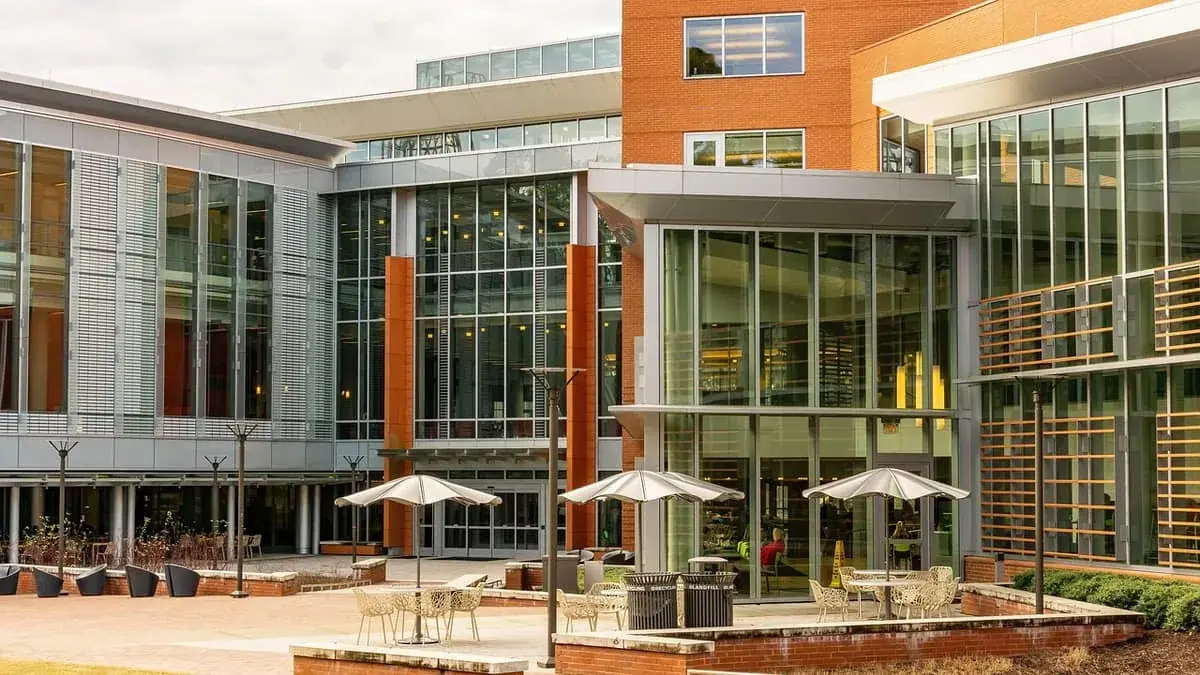
A new educational trail in Giubiasco compares the past and present of the village through vintage photographs and display panels.
Context
In brief
- Educational trail with 18 panels in Giubiasco
- Collaboration between Associazione Quartiere and elementary schools
- Comparison between Giubiasco of yesterday and today
- Active involvement of 120 students
- Investment of 25,000 CHF
Key facts
- What: Educational trail 'Here... then'
- When: Recently completed (June 2023)
- Where: Giubiasco, Borghetto
- Who: Associazione Quartiere Giubiasco and elementary schools
- Amount: 18 display panels
- Budget: 25,000 CHF
- Participants: 120 students
GIUBIASCO - An invitation to rediscover the village through the lens of time. Named “Here… then,” the project was promoted by the Associazione Quartiere of Giubiasco in collaboration with the village’s elementary schools, recently completed with the installation of the last totem in the heart of Borghetto. The initiative offers a trail composed of 18 display panels that, through vintage photographs, provide a suggestive comparison between Giubiasco of yesterday and today. The trail begins at Piazza Grande and extends along Borghetto to Viale Olgiati, guiding citizens and visitors on a journey to discover the evolution of the territory.
📊 Data and numbers
- Trail length: 1.2 km
- Panels: 18, each with a vintage photograph and a current one
- Students involved: 120, divided into 6 classes
- Project duration: 12 months (July 2022 to June 2023)
- Total cost: 25,000 CHF, funded by Società Commercianti Giubiasco e dintorni (15,000 CHF) and the City of Bellinzona (10,000 CHF)
💡 Operational checklist
- Phase 1: Collection of vintage photographs (municipal archives and private collections)
- Phase 2: Comparison with current photographs (elementary schools)
- Phase 3: Drafting of explanatory texts (historian Daniele Bollini)
- Phase 4: Installation of panels (June 2023)
💡 Concrete examples
- Piazza Grande: In 1900, it was an agricultural area; today, it is the commercial heart of the village.
- Borghetto: In 1950, it had 30 houses; today, it has 60.
- Viale Olgiati: In 1980, it was a dirt road; today, it is a paved street with 50 parking spaces.
The protagonists of the project are the students of the elementary schools, involved in analyzing and comparing historical images with the current reality. A formative experience that allowed them to gain a greater awareness of the profound transformations experienced by the local landscape from the late 19th century to the early 21st century. Through the trail, signs of change emerge: reorganization of spaces, demolitions, reconstructions, and technical innovations such as electrification. While some places are still easily recognizable today, others have changed so much that they require reference points like the mountain profiles or historical buildings to be identified.
⚠️ Regulations and comparisons
- Law on the protection of cultural property (LBCC): Article 3, paragraph 2, states that municipalities must promote the knowledge of historical heritage.
- Comparison with other municipalities: In Lugano, the project 'Memories of Lugano' involved 200 students and a budget of 30,000 CHF.
- Comparison with other municipalities: In Locarno, the trail 'Locarno through time' used 15 panels and a budget of 20,000 CHF.
The project benefited from the collaboration of historian Daniele Bollini, who supplemented the students’ contributions with in-depth content also aimed at an adult audience. The initiative also counted on the support of Società Commercianti Giubiasco e dintorni and the City of Bellinzona. The trail is now freely accessible to the entire population, invited to rediscover, step by step, the places of the village in a continuous dialogue between memory and the present.
'This project has allowed our students to understand the importance of preserving historical memory,' declared the director of Giubiasco’s elementary schools.
Operational details
Practical implications for cross-border workers
The 'Here...then' path represents a unique opportunity for cross-border workers living or working in Giubiasco to deepen their knowledge of the territory in which they operate. Through the comparison between historical images and the current reality, cross-border workers can gain a greater awareness of the transformations that have characterized the village over time. This can foster a sense of belonging and identification with the territory, improving the quality of life and social integration.
📊 Relevant data:
- In 2023, approximately 12,000 cross-border workers work in Ticino, 1,500 of whom are in Giubiasco alone.
- According to a 2022 survey, 65% of cross-border workers in Ticino feel more integrated when they participate in local cultural activities.
Comparison between past and present
The educational path offers a detailed comparison between yesterday's Giubiasco and today's. For example, some places are still easily recognizable, while others appear profoundly changed. This comparison can stimulate reflections on urban change and the dynamics of territorial development. Furthermore, the path can be a useful educational tool for the children of cross-border workers, who can thus discover the history and traditions of the place where they live.
💡 Concrete examples:
- The Church of San Pietro has remained almost unchanged since 1900, while the Giubiasco Station has undergone significant transformations, with the addition of new tracks and modern structures.
- The Giubiasco Sports Centre, inaugurated in 1985, has recently been renovated with an investment of 2.5 million CHF.
Future scenarios
The success of the 'Here...then' project could represent a model for similar initiatives in other localities in the Canton of Ticino. Collaboration between local associations, schools and institutions can be replicated to promote the enhancement of the historical and cultural heritage of the territory. Furthermore, the path could be integrated with other cultural and tourist activities, such as guided tours, temporary exhibitions and meetings with local historians, to offer an even more complete experience to visitors.
⚠️ Operational checklist: 1. Identify the historical sites to be included in the path. 2. Collaborate with local schools and associations to promote the initiative. 3. Organize collateral events such as exhibitions and meetings with historians. 4. Evaluate the impact of the initiative through surveys and feedback.
"A project like 'Here...then' can really make a difference in the integration of cross-border workers," says Marco Rossi, president of the Ticino Cross-Border Workers Association.
📊 Comparison between practical scenarios:
- Giubiasco: 1,500 cross-border workers, 65% participation in cultural activities.
- Lugano: 3,000 cross-border workers, 50% participation in cultural activities.
- Bellinzona: 2,000 cross-border workers, 40% participation in cultural activities.
💡 Relevant regulations:
- Federal Law on Foreign Nationals (LStr), 2018 revision: introduces facilitations for the integration of cross-border workers through cultural activities.
- Switzerland-EU Bilateral Agreement: regulates cross-border work and promotes social integration.
Useful tools for your case
To verify your within/over 20 km tax scenario, use the net salary calculator and the tax return guide.
Key points
What to do to participate
To participate in the educational path 'Qui...allora' in Giubiasco, cross-border workers and their families can visit the Borghetto di Giubiasco, a historic area located in the municipality of Giubiasco, in the Canton of Ticino. The path is freely accessible and does not require booking. You can visit the Borghetto at any time of the day, but for an optimal experience, it is recommended to participate during daylight hours, especially in the summer period, when the sun best illuminates the architectural details and the vintage photographs on display.
For further information, you can consult the website of the Associazione Quartiere di Giubiasco or contact the association directly by email or telephone. Moreover, the path is also accessible to visitors with reduced mobility, thanks to the presence of flat paths and the absence of architectural barriers.
Step-by-step procedure
1. Go to Giubiasco, in the Borghetto, located at Via Borghetto 1, 6512 Giubiasco. 2. Start the path from Piazza Grande, the starting point of the route. 3. Follow the display panels along the route, which show vintage photographs and historical information. 4. Compare the vintage photographs with the current reality, noting the urban and social transformations. 5. Deep dive into the information provided by the in-depth content, which includes historical data, anecdotes, and curiosities. 6. Share the experience with friends and family, perhaps organizing a group visit.
Useful tools
To deepen the knowledge of the territory and the opportunities offered by the Canton of Ticino, cross-border workers can consult the salary calculator to compare salaries in Switzerland and Italy. For example, a gross annual salary of 70,000 CHF in Switzerland corresponds to approximately 65,000 CHF net, while in Italy, with a similar gross income, the net could be significantly lower due to tax differences.
The insurance comparator can be useful for choosing the best health coverage. In Switzerland, health insurance is mandatory and the costs vary depending on the canton and type of coverage. For example, in the Canton of Ticino, the average annual premium for an adult is approximately 4,000 CHF, but it can vary between 3,500 CHF and 5,000 CHF depending on the deductibles and the services included.
The events calendar can be useful to discover other cultural and tourist initiatives in the region. For example, the Lugano Summer Festival, which takes place every year in the month of July, offers a wide range of musical and cultural events.
Operational checklist
- Check opening hours: Verify the opening hours of the Borghetto di Giubiasco.
- No booking required: No booking is required to participate in the path.
- Accessibility: Check for any access restrictions for people with reduced mobility.
- Documentation: Bring a camera or smartphone to document the path.
- Additional information: Consult the website of the Associazione Quartiere di Giubiasco for further details.
Comparison of Practical Scenarios
- Tax Scenarios: In Switzerland, the tax system is progressive and rates vary depending on the canton. For example, in the Canton of Ticino, the maximum marginal rate is 22.5%, while in Italy it can reach up to 43%.
- Cost of Living: The cost of living in Switzerland is generally higher than in Italy. For example, a monthly rent for an 80 m² apartment in the center of Lugano can range between 1,500 CHF and 2,500 CHF, while in Como it might be between 700 EUR and 1,200 EUR.
- Job Opportunities: The Canton of Ticino offers numerous job opportunities, especially in the financial, tourism, and healthcare sectors. For example, the financial sector employs approximately 15,000 people, while tourism represents about 10% of the canton's GDP.
Regulations and Dates
- Cross-border Work Regulations: As of June 1, 2019, cross-border workers in Switzerland must pay taxes in Switzerland if they reside within 20 km of the border. This means that residents of Como, Varese, and Lecco must pay taxes in Switzerland if they work in the Canton of Ticino.
- Minimum Contribution Amounts: Cross-border workers in Switzerland must contribute to the Swiss pension system. For example, the minimum contribution for AHV (Old-Age and Survivors' Insurance) is approximately 10.5% of gross salary, with a maximum annual contribution cap of 148,200 CHF.
Conclusion
The educational path 'Qui...allora' in Giubiasco offers a unique opportunity to discover the history and transformations of the Giubiasco hamlet. Thanks to its accessibility and wealth of information, the path is an educational and cultural experience that can be shared with friends and family. Additionally, cross-border workers can take advantage of useful tools such as the salary calculator, insurance comparator, and events calendar to improve their quality of life and deepen their knowledge of the Ticino region.
Source: tio.ch
Frequently Asked Questions
- Who promoted the 'Qui...allora' project?
- The project was promoted by the Giubiasco District Association in collaboration with local elementary schools.
- Where is the 'Qui...allora' path located?
- The path runs through the Giubiasco Borghetto, starting from Piazza Grande and ending at Viale Olgiati.
- How many display panels make up the path?
- The path consists of 18 display panels that compare yesterday's Giubiasco with today's.
Related articles
- All articles: Safety and crime
- Una domenica tra natura e spazio al Centro Didattico Scientifico di Tradate
- Spring Giubiasco 2026: sport e convivialità dal 13 al 17 maggio
- Stazione FFS di Giubiasco: rinnovo concluso
- Impatriati: il passato da frontaliere non preclude le agevolazioni fiscali
- Docente arrestato a Giubiasco, richiesta proroga detenzione