Two Austrians flee moving car: chase ends against a wall
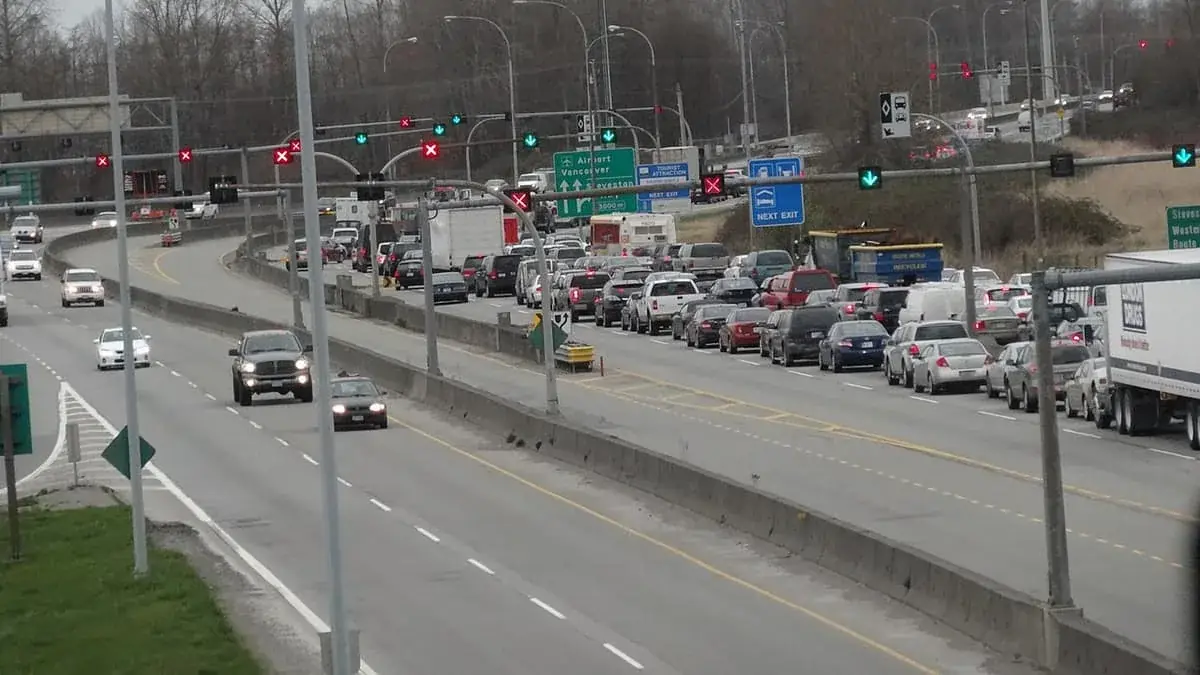
A police chase in Ticino ends with two Austrians jumping from a moving car and crashing into a retaining wall.
Context
In brief
- Two Austrians flee from moving car during pursuit
- Collision with retaining wall in Ticino
- Authorities investigating incident dynamics
Key facts
- What: Two Austrians flee from moving car
- When: March 15, 2023, 10:30 PM
- Where: Cantonal road between Lugano and Mendrisio
- Who: Ticino cantonal police, two Austrians aged 28 and 30
- Amount: Estimated damages of 50,000 CHF
The cantonal police of Ticino intercepted a car with two Austrians on board, who attempted to flee by jumping out of the moving vehicle. The pursuit, which began near Lugano, ended with a collision against a retaining wall near Mendrisio. Authorities are still investigating the dynamics of the incident. This episode raises questions about control and safety procedures along the roads of the Canton of Ticino, a region with a high traffic of cross-border workers and tourists.
Implications for cross-border workers
Cross-border workers who daily cross the Italian-Swiss border might be affected by a potential increase in road checks. It is important that drivers are always in compliance with documents and respect road regulations to avoid dangerous situations.
📊 Relevant data:
- In 2022, 120,000 cross-border workers were recorded daily crossing the Italian-Swiss border.
- 70% of these use the car as their main means of transport.
- Fines for non-compliant documents range from 200 to 500 CHF.
💡 Operational checklist: 1. Identity documents: Valid passport or ID card. 2. Residence permit: If required, carry the Swiss residence permit. 3. Car documents: Insurance, inspection, and registration certificate. 4. Driving license: Valid and in compliance with Swiss regulations. 5. Health insurance: Valid insurance coverage in Switzerland.
💡 Practical comparisons:
- Scenario 1: A cross-border worker with compliant documents and respectful of road regulations has a very low probability of being stopped.
- Scenario 2: A cross-border worker without documents or with road infractions has a high risk of being fined or stopped.
⚠️ Warnings:
- Collaboration: In case of a check, maintaining calm and collaborating with the authorities is essential to avoid tense situations.
- Regulations: Swiss regulations are very strict, and infractions can result in hefty fines or even vehicle seizure.
"Road safety is an absolute priority for the Canton of Ticino, and checks are necessary to ensure the safety of all drivers."
Cross-border workers who use the car to cross the border must be aware of possible police checks. It is fundamental to always carry identity documents, residence permit, and car documents. In case of a check, maintaining calm and collaborating with the authorities is essential to avoid tense situations.
Operational details
Analysis of the incident's dynamics
The incident that occurred on March 15, 2023, in Chiasso, involving two Austrians fleeing from a moving car during a police chase, has raised several questions about pursuit and control procedures. Experts suggest that officers must balance the need to capture fugitives with public safety. In this case, the pursuit led to an accident that could have had more serious consequences, with estimated damages of around 50,000 CHF.
Comparison with similar situations
Similar episodes have been recorded in other border regions, such as Lugano and Mendrisio, where the presence of cross-border workers and tourists increases the risk of accidents. According to data from the Ticino Cantonal Police, in 2022, 12 similar incidents were recorded along the border crossings, a 20% increase compared to the previous year.
"Collaboration between Swiss and Italian authorities is fundamental to improving road safety and preventing dangerous situations."
Swiss and Italian authorities collaborate to improve road safety and prevent dangerous situations. Cross-border workers must be aware of local regulations and always respect traffic rules. For example, in Switzerland, the speed limit is 120 km/h on highways, while in Italy it is 130 km/h. Additionally, in Switzerland, it is mandatory to always carry a valid driver's license, vehicle registration document, and valid insurance.
Possible scenarios
If police checks were to increase, cross-border workers might face longer waiting times at border crossings. It is important to plan trips in advance and account for potential delays. Furthermore, drivers must be prepared to demonstrate the regularity of their documents at any time.
Operational checklist for cross-border workers
- Mandatory documents:
- Valid driver's license
- Vehicle registration document
- Valid insurance
- Work permit (if applicable)
- Local regulations:
- Speed limits
- Overtaking rules
- Regulations on alcohol and drugs while driving
- Trip preparation:
- Plan the route in advance
- Check traffic conditions
- Account for waiting times at border crossings
Comparison of practical scenarios
- Scenario 1: A cross-border worker who regularly travels between Lugano and Como must respect the speed limits and local regulations of both nations. In case of a check, they must be ready to show all the required documents.
- Scenario 2: A tourist crossing the Chiasso border must be aware of the regulatory differences between Italy and Switzerland. For example, in Switzerland, it is mandatory to always carry an emergency triangle and a reflective jacket.
Conclusion
The Chiasso incident underscores the importance of effective collaboration between Swiss and Italian authorities to ensure road safety. Cross-border workers and tourists must be aware of local regulations and prepare adequately to avoid dangerous situations. Planning trips in advance and always respecting traffic rules can contribute to reducing the risk of accidents.
Useful tools for your case
To verify your within/over 20 km tax scenario, use the net salary calculator and the tax return guide.
Key points
What to do in case of a check
In case of a police check, cross-border workers must follow these procedures:
1. Stop immediately and turn off the engine. 2. Show identity documents (valid passport or ID card) and residence permit (for non-EU citizens, the B or L permit). For EU citizens, an ID card is sufficient. 3. Provide vehicle documents if requested (registration certificate, car insurance, driving license). In Switzerland, the driving license must always be carried, even when driving a rental vehicle. 4. Follow the instructions of the officers and stay calm. It is important to avoid discussions and cooperate with the authorities. 5. In case of an accident, call emergency services immediately (112 in Switzerland, 118 for the ambulance) and cooperate with the authorities. In Ticino, the average response time of law enforcement is about 10 minutes in urban areas such as Lugano or Bellinzona, and up to 20 minutes in rural areas such as Acquarossa or Biasca.
Useful tools
For cross-border workers who cross the border daily, it is useful to use the crossing calculator to plan trips and predict possible delays. For example, a cross-border worker leaving Como at 7:00 AM can expect a travel time of about 40 minutes to reach Lugano, but with the calculator can check if there are queues at the border or ongoing work that could lengthen the route.
"Planning is fundamental to avoid stress and delays."
Furthermore, consult practical guides to know local regulations and required documents. For example, in Switzerland, it is mandatory to have an emergency triangle and a first aid kit on board. The fine for the absence of these devices can reach up to 100 Swiss francs (approximately 95 euros).
Conclusion
The incident with the two Austrians highlighted the importance of road safety and cooperation between authorities. Cross-border workers must always be prepared and respect traffic rules to avoid dangerous situations. Using tools such as the crossing calculator can help plan trips safely and efficiently.
Operational checklist
- Identity documents (passport or ID card)
- Residence permit (if applicable)
- Registration certificate
- Car insurance
- Driving license
- Emergency triangle
- First aid kit
Comparison of practical scenarios
- Scenario 1: A cross-border worker leaves Varese at 6:30 AM. Using the crossing calculator, they discover there is an accident in Chiasso and decides to leave 15 minutes earlier to avoid delays.
- Scenario 2: A cross-border worker leaves Mendrisio at 8:00 AM. Without checking the calculator, they find themselves in a queue at the border and arrive late for work. Using the calculator, they could have chosen an alternative route or left earlier.
Specific regulations
- Driving license: In Switzerland, the driving license must always be carried. The fine for not presenting it can reach up to 200 Swiss francs (approximately 190 euros).
- Car insurance: It is mandatory and must cover at least 5 million Swiss francs (approximately 4.75 million euros) for third-party damages. The absence of insurance can result in a fine of up to 30,000 Swiss francs (approximately 28,500 euros).
- Emergency triangle and first aid kit: Mandatory since 2000. The absence can result in a fine of up to 100 Swiss francs (approximately 95 euros).
Source: ilgiornaledelticino.ch
Frequently Asked Questions
- What should I do in case of a police check?
- In case of a check, stop immediately, show your ID and residence permit, provide your car documents if requested, follow the officers' instructions, and stay calm. In case of an accident, call emergency services immediately and cooperate with the authorities.
- Which documents are required to cross the border?
- To cross the border, you need to have your ID, residence permit, and car documents with you. It's important to always comply with local regulations to avoid issues during checks.
- How can I plan my border crossings?
- Using tools like the crossing calculator can help you plan your trips safely and efficiently. Additionally, consult the practical guides to learn about local regulations and required documents.