UBS introduces new model for Swiss old-age pension
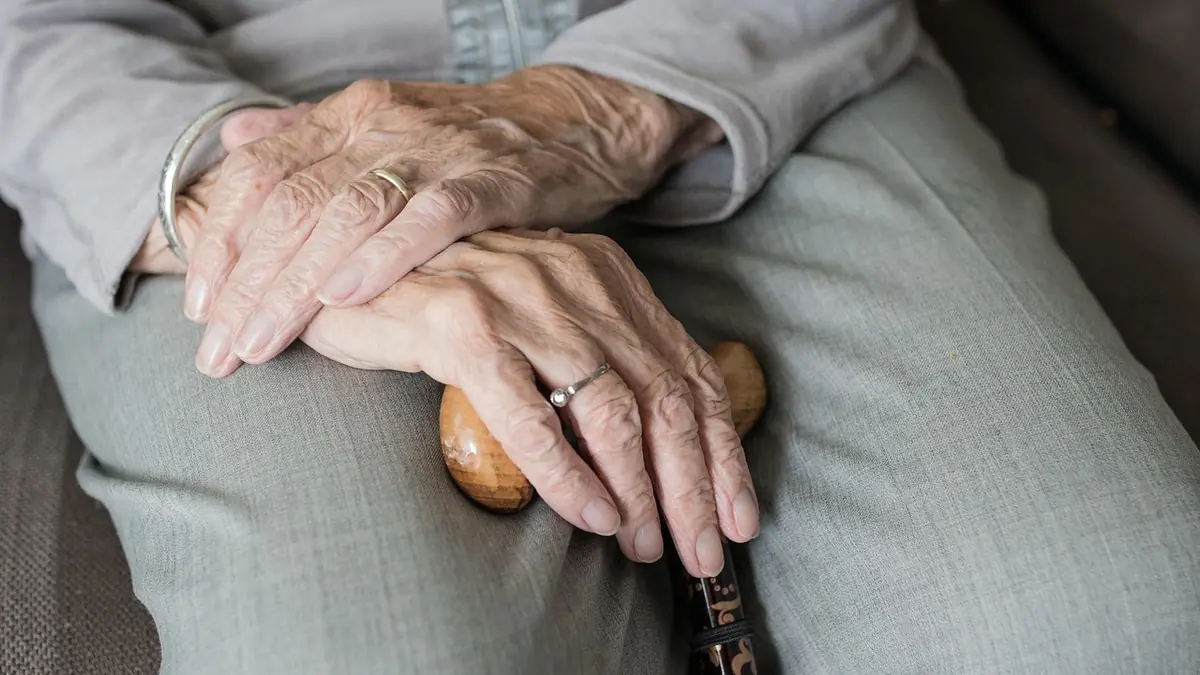
The big bank proposes a comprehensive reform of the Swiss pension system
Context
In short
- UBS presents a new old-age pension model
- The current system would be replaced with one based on capitalization
- The retirement age would gradually increase
- New 4th pillar for long-term care
Key facts
- What: New old-age pension model
- Who: UBS
- When: Starting from 2035
- Amount: 20% contributions on salaries up to 50,000francs
- Where: Switzerland The UBS bank has presented a comprehensive reform project for the Swiss pension system. The policy document outlines the transition to a far greater capitalization-based system starting in 2035. The focus of the proposal is the replacement of the AVS with a new 1st pillar based on the primacy of performance based on capitalization. > "Our model envisages a more sustainable and fairer system," says UBS. According to the new model, the contributions paid would be 20% on salaries up to 50,000francs, such as in Zurich where the average salary is about 62,000 francs per year. The retirement age would gradually increase from 64 to 67 by 2050. A worker from Lugano who today starts his career at the age of 25, paying contributions for 40 years, could benefit from a higher income thanks to capitalisation. In addition, the model provides for the introduction of a new 4th pillar to finance long-term care, an increasingly relevant aspect given
Operational details
The new pension model The new 1st pillar would guarantee a fixed income calculated on the basis of salary, financed by accumulating and investing real capital in a fund. Contributions totalling 20% would be levied on salaries of up to CHF 50,000. For example, a worker in Zurich with an annual salary of 40,000francs would pay 8,000 francs. The capital saved would be invested and remunerated with a return guaranteed by the Confederation, similar to the current minimum guaranteed return of 1% for occupational pension funds (2nd pillar).
Impact on taxation
The transition would come at a price. During a long transitional phase, the working population should simultaneously finance ongoing AVS annuities and accumulate their own old-age capital. Existing AVS rights alone would require, between 2035 and 2100, an average of CHF 43.7 billion per year in new federal contributions, as envisaged by the Federal Council's 2022 message on the revision of the AVS law. The authors estimate that tax revenues are expected to increase by about 18% during the transition, and by 3% in the long term. For example, the Canton of Geneva may need to raise tax rates to cover higher contributions, while cities like Bern may need to revise their public spending programs. > "Long-term sustainability requires careful financial planning" has
Useful planning tools
To estimate your pension strategy, use the pension planner and the pillar 3 simulator.
Key points
What it means for Swiss citizens
The retirement age in Switzerland should gradually increase and be partially linked to life expectancy. For the current eighteen-year-olds, the reference age could thus rise in the long term towards 68 years. For example, according to projections by the Federal Statistical Office, if life expectancy continues to grow at the current rate, a man born in 2005 could live up to 85.4 years, while a woman could live up to 89.3 years. It is critical to understand how this change will affect individual retirement planning. > "Old-age pension reform is necessary to ensure the sustainability of the Swiss pension system," according to the director of UBS Switzerland. Use our calcolatore di pensione to assess how these changes might impact your personal situation. For example, for a worker in Zurich who is currently retiring at 65 with a pension of CHF 2,500 per month, an increase in the retirement age to 68 could mean an additional three years of contributions. - Consider increasing your social security savings by 10% annually to make up for the extra three years of work. - Check if your canton, such as the Canton of Geneva, offers tax incentives for additional social security contributions. - Use the calculator to compare different scenarios: for example, what would happen if the retirement age was set at 67 instead
Source: swissinfo.ch
Frequently Asked Questions
- What is the new old-age pension model proposed by UBS?
- The new model foresees the replacement of the AVS with a system based on capitalization, with contributions of 20% on salaries up to 50,000francs.
- How would the new pension system be funded?
- The new system would be financed by accumulating and investing real capital in a fund, with returns guaranteed by the Confederation.
- What will happen to the retirement age according to the UBS proposal?
- The retirement age will increase gradually and will be partially linked to life expectancy, potentially reaching 68 years for current young people.
Related articles
- All articles: AVS and LPP pensions
- Nuovo modello di finanziamento per il risanamento energetico degli edifici
- Cassa malati Uri: franchigie, modelli e riduzione
- Fisioterapisti: 112mila firme per tariffe più alte, petizioni ai cantoni
- Svizzera investe 176 milioni nel fondo globale
- LAMal Glarona: franchigie, sussidio e modelli assicurativi