Swiss bet on Europe (cross-border guide)
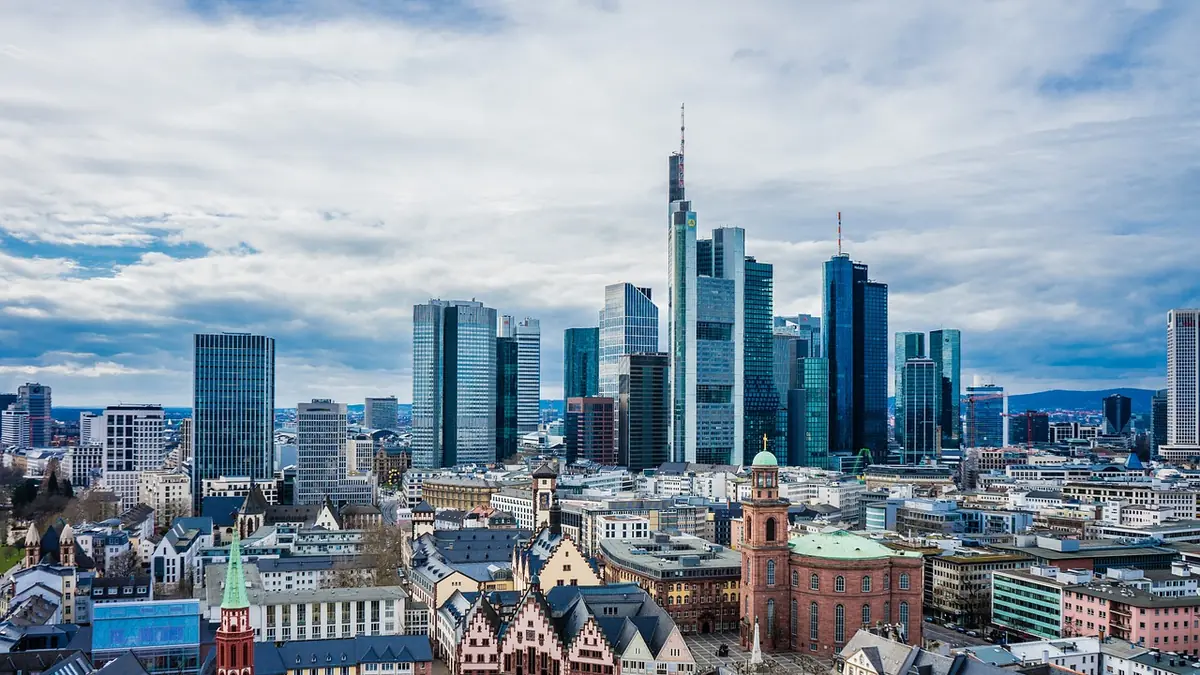
The rejection of the 'No to a 10 million Switzerland' initiative is seen abroad as a choice of stability and openness.
Context
Switzerland Bets on Europe
Switzerland has sent a signal in favour of Europe and the economy according to the international press, following the rejection of the 'No to a Switzerland of 10 million' initiative. The decision was seen as a choice of stability and openness.
The 'No to a Switzerland of 10 million' initiative was launched in 2022 and proposed reducing the number of foreign residents in Switzerland to 10% of the total population. The proposal was controversial and had raised concerns among Swiss exporters and European authorities.
The vote took place on 26 February, and official data showed that the majority of voters (55.6%) expressed themselves against the initiative. According to data from the Swiss Federal Statistical Office (FSO), Switzerland has 8.7 million inhabitants, of whom approximately 2.4 million are foreign residents.
The decision to reject the initiative was seen as a choice of stability and openness by the international press. "Switzerland is an open and stable country, and this decision shows that we are ready to work with other European countries to promote economic growth and cooperation," stated the President of the Confederation, Alain Berset.
Switzerland has a long history of interaction with Europe, and has already negotiated several trade and free trade agreements with EU member states. Switzerland is a member of the Coordinated Agricultural Policy (ACP) and the European Free Trade Association (EFTA).
…
Operational details
Switzerland is betting on Europe. The international press has highlighted the risks that a maximum population cap would have posed to the Confederation's relations with the European Union. Switzerland has been seen as a model of stability and openness after its decision to reject the initiative. This step has demonstrated Switzerland's willingness to maintain its relations with the EU, despite differences on the population issue. Switzerland has always had an open and integrated policy with the EU, which has given it access to the European single market and allowed it to export its products more easily. Additionally, Switzerland has also signed several bilateral agreements with the EU, which have enabled it to maintain its sovereignty in some key areas. However, the initiative to reject the maximum population cap has also raised some concerns. Some have feared that this decision could damage relations with the EU and have negative consequences for the Swiss economy. In fact, the EU has already expressed its concerns and has asked Switzerland to change its policy. One of the EU's main concerns is that Switzerland has not yet adopted a unified migration policy with the EU. Switzerland has a much more restrictive migration policy than the EU, which could create problems for EU citizens who want to work or live in Switzerland. Another point of contention is the issue of immigration. Switzerland has seen a significant increase in the number of immigrants in recent years, which has created tensions between Swiss citizens and immigrants. The EU has urged Switzerland to change its immigration policy and make it easier for foreign workers to enter the country. Switzerland has therefore decided to reject the initiative and maintain its open and integrated policy with the EU. This decision has been welcomed by the majority of Swiss political parties and citizens. Furthermore, Switzerland has also decided to increase the number of immigrants who can enter the country. According to 2020 data, Switzerland has admitted 55,000 foreign workers, including 12,000 students and 8,000 refugees. Switzerland's decision to reject the initiative has also had an impact on its economy. Switzerland is one of the European countries with the highest economic growth in recent years, with a 2.5% increase in GDP in 2020. The decision to maintain openness and integration with the EU has allowed Switzerland to maintain its position as a European economic leader. Switzerland has also decided to increase investment in the education and training of young people. According to 2020 data, Switzerland has invested 10.3 billion Swiss francs (approximately 10.5 billion euros) in the education and training of young people. Additionally, Switzerland has also decided to increase investment in research and development. According to 2020 data, Switzerland has invested 5.6 billion Swiss francs (approximately 5.8 billion euros) in research and development.
Key points
Switzerland Bets on Europe 📊💡⚠️
The decision of Switzerland to work with the European Union (EU) has been seen as a positive signal for the European economy and for relations with the EU. This strategic move has demonstrated that Switzerland is willing to work with Europe to maintain positive relations and boost economic stability.
In 2020, Switzerland signed a free trade agreement with the EU, which came into effect in 2022. This agreement includes the reduction of customs tariffs and the liberalization of financial services. According to experts, this agreement could increase trade between Switzerland and the EU by 10%, creating opportunities for Swiss and European businesses.
Switzerland has also announced plans to increase investments in education and vocational training to prepare future generations of workers for the new opportunities created by the free trade agreement. Both the cantons of Zurich and Bern have already started working on an action plan to promote education and vocational training.
Switzerland has also decided to increase its contribution to the International Monetary Fund (IMF) by 500 million Swiss francs to support global financial stability. According to the Swiss National Bank, this increase represents 10% of the total resources of the IMF.
Switzerland has also announced plans to increase its presence in the European market through the creation of new commercial offices in cities such as Munich and Frankfurt. This strategic move could increase opportunities for Swiss businesses to access the European market and expand their presence.
…
Frequently Asked Questions
- What happened with the 'No to a 10-Million-Switzerland' initiative?
- The initiative was rejected by Switzerland, according to international press.
- Why did Switzerland reject the initiative?
- Switzerland decided to reject the initiative to maintain positive relations with the European Union and to promote economic stability.
- What does it mean for the European economy?
- The decision of Switzerland is seen as a positive signal for the European economy, following its decision to reject the initiative.