Drought in Switzerland: 80% of groundwater at risk (cross-border guide)
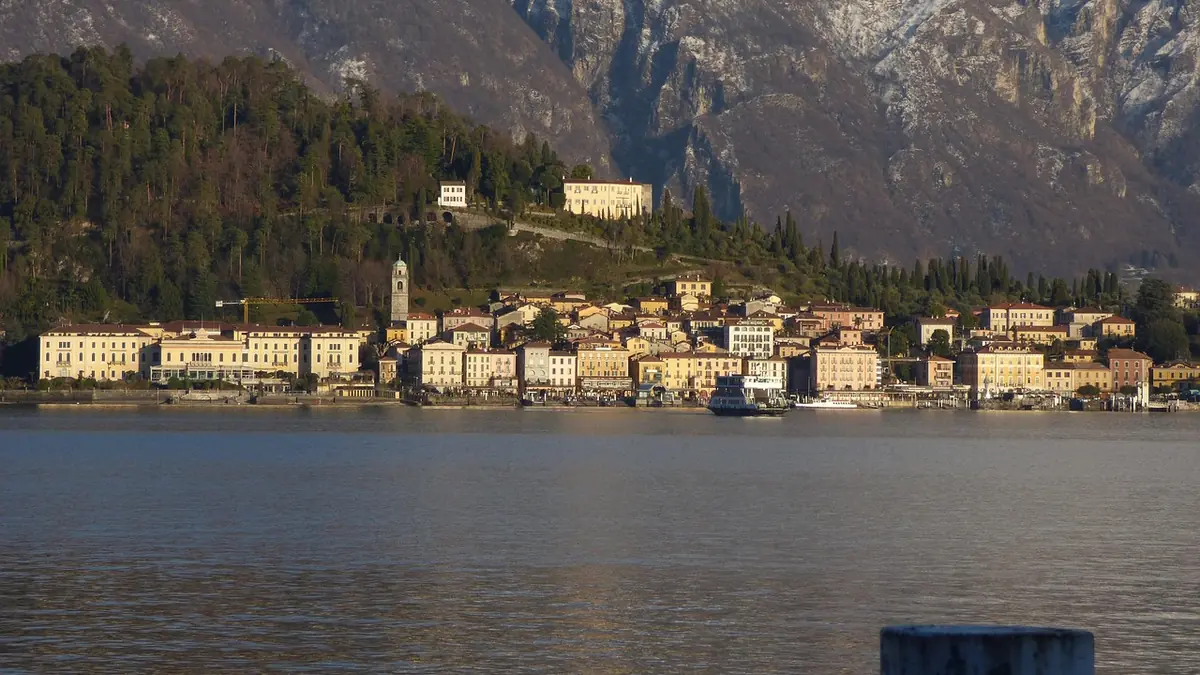
SCNAT warns: springs dry up in the Jura and the Alps. Monitoring and renaturalization are needed to protect the groundwater.
Context
In short
- Drought threatens Switzerland's water supply, with 80% of drinking water coming from underground sources.
- Experts propose monitoring, renaturalization of watercourses and territorial planning.
- Collaboration between the Confederation, Cantons and user sectors is essential to manage the crisis.
Key facts
- What: Drought in Switzerland, risk for groundwater
- When: Not yet specified
- Where: Switzerland, with focus on the Jura and the Alps
- Who: Swiss Academy of Natural Sciences (SCNAT)
- Amount: 150 cubic kilometers of groundwater in Switzerland
Drought is becoming a recurring challenge in Switzerland, putting at risk 80% of the country's drinking water, which comes from underground sources. The Swiss Academy of Natural Sciences (SCNAT) is sounding the alarm: groundwater levels are falling and springs are drying up, especially in the Jura and the Alps. This situation can cause water shortages for families, agriculture and industry, as well as threatening water quality with higher concentrations of pollutants.
Measures proposed by experts
Experts propose various measures to address the crisis: systematic monitoring of water withdrawals, replenishment of aquifers through the removal of soil sealing and renaturalization of waterways. These solutions should be integrated into spatial planning.
SCNAT highlights the importance of close collaboration between the Confederation, cantons, municipalities, distribution companies, the agricultural sector and other user groups for effective responses. The impact of drought varies from region to region: the large aquifers of the Plateau can act as a buffer, while in the Jura and the Alps the sources can run out quickly.
…
Operational details
Impact of drought on the economy and society
Drought in Switzerland is not only an environmental problem, but also has significant economic and social implications. Agriculture, which is highly dependent on water resources, could suffer significant losses, impacting food production and prices of agricultural products.
Sectors affected
- Agriculture: Reduction of crops and increase in irrigation costs.
- Industry: Increase in energy and production costs due to water scarcity.
- Families: Possible rationing and increase in water tariffs.
Water quality is another critical aspect. As groundwater levels decline, pollutants can concentrate, making water undrinkable without additional treatment. This could increase costs for distribution companies and, consequently, household bills.
Long-term solutions
Renaturalizing waterways and removing soil sealing are long-term solutions that can help restore ecosystems and ensure a sustainable water supply. However, these measures require significant investments and careful planning.
Collaboration between various levels of government and use sectors is crucial. The Confederation, cantons and municipalities must work together to implement effective policies and ensure that water resources are managed sustainably. To better understand the economic impact of the drought, it is useful to analyze economic data and price trends, for example by consulting the costo della vita in Svizzera.
Useful tools to protect your net income
To reduce FX leakage, compare CHF-EUR exchange options and banks for cross-border workers.
Key points
Concrete actions to address drought
To address drought effectively, concrete measures need to be taken at individual, municipal and national levels. Here are some steps that can be taken:
At the individual level
- Water saving: Reduce water consumption in the home and garden.
- Monitoring: Report any waste or losses to the competent authorities.
- Information: Keep up to date on the measures adopted at local and national level.
At the municipal level
- Planning: Integrate water management measures into territorial planning.
- Investments: Financing renaturalization projects and removal of soil sealing.
- Collaboration: Working with citizens and businesses to promote sustainable practices.
Nationwide
- Legislation: Implement laws and regulations for sustainable water management.
- Funding: Allocate funds for research and innovation projects in the water sector.
- Education: Promote awareness campaigns on the importance of saving water.
To best manage water resources, it is essential to adopt a holistic approach that involves all levels of society. Switzerland has the opportunity to become a model of sustainable water management, ensuring a secure future for generations to come. To learn more about the economic implications of the drought, it is useful to consult the costo della vita in Svizzera and the price trends of agricultural and industrial products.
First day as a cross-border worker? Our practical guide walks you from cantonal registration to your first paycheck.
Source: tio.ch
Frequently Asked Questions
- How much of Switzerland's drinking water depends on groundwater?
- According to the data cited, 80% of drinking water in Switzerland comes from underground sources. The drought is lowering groundwater levels, threatening the supply for households, agriculture and industry. The situation is particularly critical in areas where springs can run out quickly, such as in the Jura and the Alps.
- What measures does SCNAT propose to address the water crisis?
- The Swiss Academy of Sciences (SCNAT) proposes the systematic monitoring of water withdrawals, the replenishment of groundwater by removing soil sealing and the renaturalisation of watercourses. These measures must be integrated into spatial planning and require close cooperation between the Confederation, cantons, municipalities and land use sectors.
- How does the impact of drought vary between Swiss regions?
- The impact is regional: the large aquifers of the Central Plateau can act as a buffer, while in the Jura and the Alps the springs are at risk of running out quickly. In addition, falling water levels can increase the concentration of pollutants, compromising water quality and requiring additional treatment.