Mobility in Switzerland: Favour for rail grows (cross-border guide)
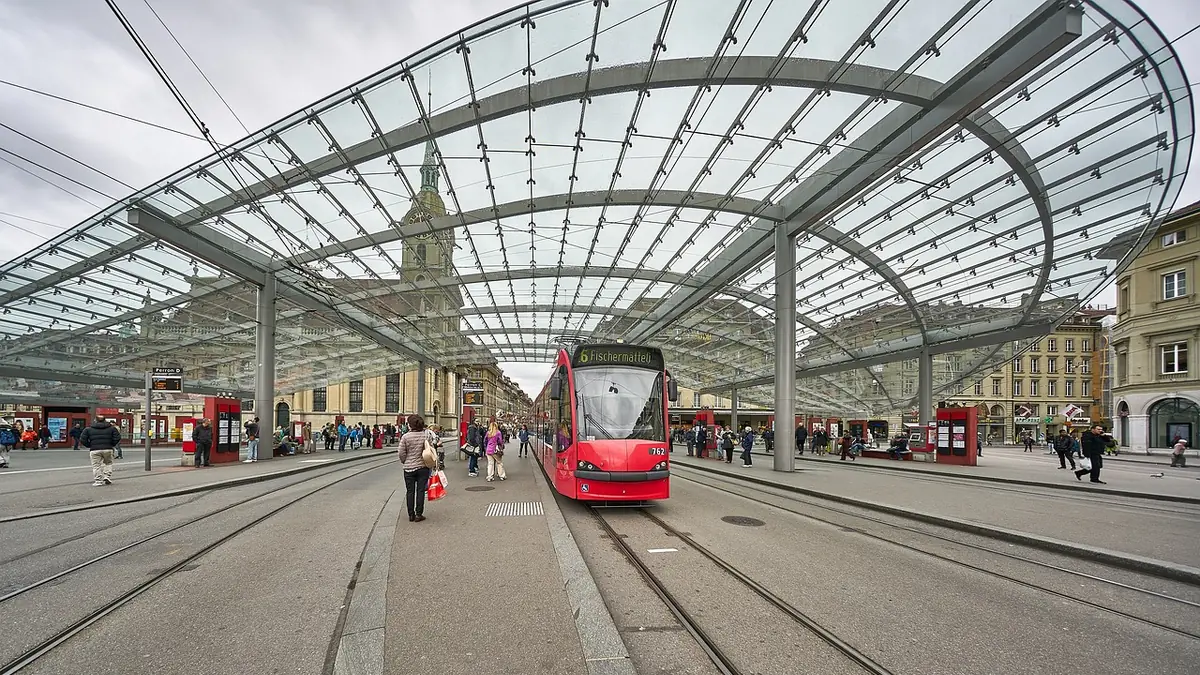
A Sotomo survey reveals the preferences of the Swiss: a clear preference for rail investments over upgrading the road network.
Context
In a nutshell
- The Swiss prefer investments in rail transport.
- Only 38% ask for more funds for national roads.
- The Sotomo survey involves 1,800 respondents in Switzerland.
Key facts
- What: Future mobility survey.
- When: April (year not specified).
- Where: Switzerland (German and French).
- Who: Istituto Sotomo per Axa.
- Sample: About 1,800 people.
- Rail consensus: 62% in favour of massive investments.
- Road consensus: 38% in favour of massive investments.
The Swiss population expresses a clear strategic direction regarding the mobility of the future. According to a representative survey conducted by the Sotomo institute on behalf of the insurer Axa, a net orientation towards public transport by rail emerges, in the face of growing concerns about the strengthening of the national road network. The survey, which involved around 1,800 citizens residing in German-speaking Switzerland and Romandy during the month of April, highlights a divergence of views directly linked to citizens' daily commuting habits.
Analysis of infrastructure preferences
The data collected show that only 38% of respondents believe that a substantial or massive investment in national roads is necessary. The percentage of support is further reduced, dropping to 29%, when the question shifts to urban roads and agglomerations. The majority of respondents
Operational details
Implications for National Mobility
The preferences emerging from the Sotomo survey are not just statistical data, but indicate a clear direction for transportation policy. In a context where the cost of living and territorial management are central themes, the preference for rail travel has direct consequences for both cantonal and federal planning. The debate now focuses on the technical and economic feasibility of railway projects, often characterized by high costs and long execution times. The comparison between road and railway investments is also a concern for commuters, who depend daily on the efficiency of the national transport system.
…
Key points
How to Move in the Infrastructure Landscape
For citizens who wish to monitor the evolution of mobility, it is necessary to understand how federal decisions translate into concrete services. The management of tourist traffic and the planning of FFS stations directly influence daily working life. Those who commute regularly for professional reasons can use official channels to stay informed about new routes and projects in progress. The access to an efficient public transport system is, for many residents, a determining factor in managing family budgets, especially in terms of optimizing daily movement costs.
…
Frequently Asked Questions
- What percentage of Swiss support rail investments?
- According to the Sotomo survey, 62% of respondents want massive or considerable investments in railway infrastructure, confirming a clear preference for public transport by rail over road upgrading.
- What is the support for the expansion of the Basel station?
- The expansion of the Basel railway station enjoys a 56% consensus among respondents, positioning itself as one of the most appreciated infrastructure projects in the field of public transport.
- What are the consensus percentages for road investments?
- The survey reveals that only 38% of Swiss people ask for large or massive investments in national roads, while this figure drops to 29% for urban roads and agglomerations.
Related articles
- All articles: Safety and crime
- Progetto di 467,5 milioni per strada e ferrovia in Prettigovia
- «Trasporti ’45»: Ticino ai margini della mobilità svizzera
- Indagine reddito di cittadinanza e capitali in Svizzera
- PubliBike passa in mani inglesi, acquistata da fondo d'investimento
- Mezzo agricolo esce di strada, muore bambino di nove anni