No fuel discount: Bern confirms full price
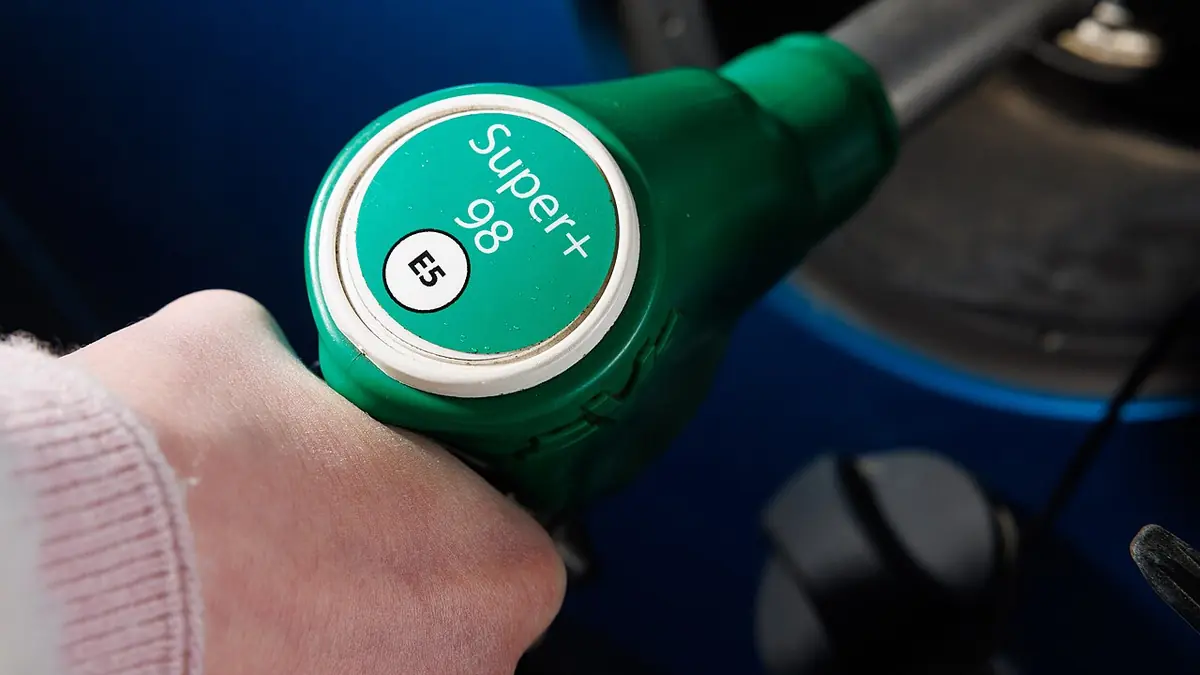
On September 25, 2026, SECO ruled out fuel relief: diesel at a record high, gasoline above 2 francs/liter, no aid planned for artisans, farmers, and commuters.
Context
In brief
- Diesel has reached an all-time high in recent days
- Petrol has been costing more than two francs per litre for some time
- Bern is ruling out fuel relief for now
- SECO links high prices to saving
Key facts
- Date: 25 September 2026
- Location: Bern
- Authority: SECO
- Diesel: all-time high
- Petrol: more than two francs per litre
- Support mentioned: unemployment insurance and short-time work
- Further measures: only in the event of an imminent severe recession
On 25 September 2026, Bern confirmed that, for now, no government intervention to ease the cost of fuel is planned. In recent days, diesel has reached an all-time high; petrol, meanwhile, has been costing more than two francs per litre for some time. At Swiss petrol stations, discontent is being expressed through very harsh comments, while the expense weighs particularly heavily on tradespeople, farmers and commuters.
Calls for public support have become more insistent. Several parliamentarians have turned to the Federal Department of Economic Affairs, led by President of the Swiss Confederation Guy Parmelin. The position indicated for the department is clear: intervention to ease the situation is ruled out.
The Confederation's position
Thomas Knutti, an SVP national councillor and co-owner of a transport company, has repeatedly criticised the Federal Council's caution. He recalled having requested relief measures in March and submitted a parliamentary question in June, without being heeded.
Asked by 20 Minuten, the State Secretariat for Economic Affairs explained that high prices are not merely a cost. In SECO's view, they must signal the scarcity of fuel and guide behaviour.
«In the current context, it is essential that fuel prices signal scarcity: this encourages saving, turning to alternatives, increasing efficiency and investing in different solutions».
According to the authority, government intervention would remove the incentive to take precautions independently and weaken the economy's resilience. SECO also wants to avoid generalised measures. No precise threshold for diesel or petrol is given: the criterion would be the performance of the economy as a whole. To track the impact of rising prices on everyday expenses, one can consult the costo della vita in Svizzera. For motorists, therefore, the issue is not only the price recorded at the pump, but also the absence of a public response linked to that price. The announced outlook remains that of an expensive fill-up, at least until the economic picture changes.
Operational details
The price does not trigger a threshold
For those who live or work in Switzerland and depend on a car, the message has an immediate effect: filling up remains an expense exposed to the market, and no relief tied to a precise figure is planned. This directly concerns the categories indicated by the source, namely tradespeople, farmers and commuters. For them, the increase in fuel becomes part of travel or business costs; for motorists, the announced consequence is that filling up will remain expensive.
The second consequence concerns expectations. SECO does not indicate a diesel or gasoline price limit above which federal intervention would automatically be triggered. The reference point is the economy as a whole. A record price at the pump, on its own, is not presented as a sufficient condition for changing policy.
Three scenarios indicated by the source
| Situation | Indicated response | | High prices in the current framework | Incentives for savings, alternatives, efficiency and investment in different solutions | | Economic slowdown | First, unemployment insurance and compensation for reduced working hours | | Serious imminent recession | Assessment of further economic policy measures |
The sequence shows why the political debate is not reduced to the cost per liter. On the one hand, there is the immediate impact on the budgets of those who have to travel or work with fuel. On the other hand, there is SECO's view that a high price preserves a scarcity signal and encourages people to prepare independently. Generalized aid would weaken that signal and, in the authority's assessment, undermine the economy's resilience.
The source does not describe a specific measure for one category; instead, it presents a federal choice linked to the general economic situation. Anyone who wants to consider the price increase alongside disposable income can supplement this analysis with the guide on busta paga svizzera, without expecting that calculation to provide relief that Bern has not announced.
Recommended tools
For an updated estimate, use the net salary calculator and the CHF-EUR exchange comparator.
Key points
A practical approach for the time being
No emergency threshold has been communicated for the price of gasoline or diesel. For those who need to plan travel or work-related costs, practical guidance can therefore be based on the criteria SECO has made public, without turning them into a promise of aid.
Four steps
1. Assess exposure. Artisans, farmers and commuters are the categories identified as most affected by fuel costs. If one falls into one of these categories, the price increase is reflected in travel or operating costs.
2. Do not wait for an automatic threshold. SECO has not indicated a diesel or gasoline price that would trigger an intervention. The record high reached by diesel, on its own, therefore does not create an announced measure.
3. Look at the economy as a whole. According to the authority, this is the criterion for assessing the situation. The price at the pump signals fuel scarcity, but the public decision would depend on the overall trend.
4. Distinguish between the two levels of response. In the event of a slowdown, the source first cites unemployment insurance and compensation for reduced working hours. Only in the face of an imminent severe recession would additional economic policy measures be considered. At present, SECO says there are no signs pointing in this direction.
This sequence does not reduce the price of a tankful and does not replace a public decision. It serves to read the news correctly: no relief has been announced, no published threshold exists, and the stated criterion is the resilience of the economy. For motorists, the result remains as already outlined: at least for now, filling up will remain expensive.
To relate monthly income to the pressure of expenses, use the calcolatore stipendio.
Source: tio.ch
Frequently Asked Questions
- Why did Bern rule out a fuel discount?
- SECO argues that high prices signal fuel scarcity and incentivise savings, the use of alternatives, efficiency and investment in different solutions. A general intervention would remove this signal and weaken the resilience of the economy, according to the authority.
- What are the categories most affected by the increase in fuel prices according to the article?
- The article lists artisans, farmers and commuters as the most exposed groups. For them, the increase in the cost of fuel is directly reflected in business trips or activity costs, making it a significant item of expenditure.
- What does the SECO indicate as a criterion to evaluate a possible intervention on the fuel?
- SECO links any possible intervention to the general trend of the economy, not to a specific price threshold at the pump. In the event of an economic slowdown, unemployment insurance and reduced work allowances are considered first; only in the face of an imminent serious recession would further economic policy measures be assessed.