Salasso at the pump: expensive diesel, gasoline on the rise
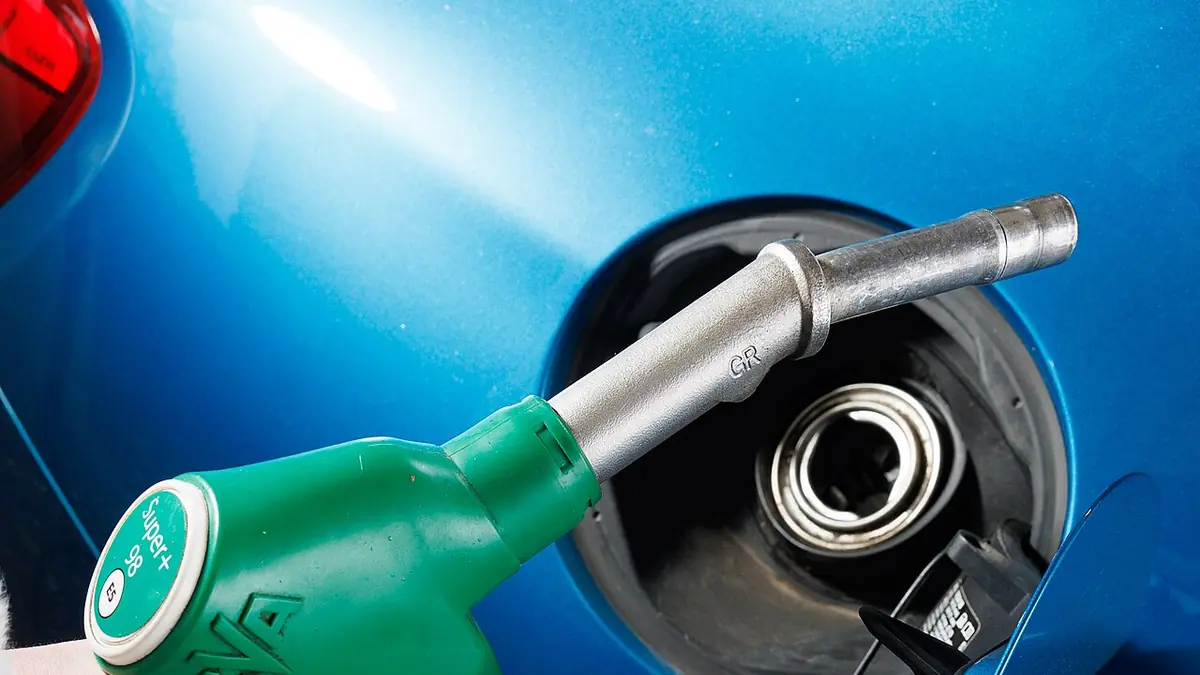
On 24 September 2026 in Zurich diesel costs on average 2.46 CHF/l (peaks >2.50), petrol 95 2.14 CHF/l, while oil exceeds 100 USD/barrel.
Context
In brief
- Diesel reaches an average of 2.46 francs per liter.
- Unleaded 95 is at a median of 2.14 francs.
- Refineries are shifting production towards diesel.
- Goldman Sachs sees increases for gasoline in mid-2027.
Key facts
- Date → September 24, 2026
- Location → Zurich
- Diesel → average of 2.46 francs per liter
- Peaks → over 2.50 francs per liter
- Gasoline → unleaded 95 at a median of 2.14 francs
- Oil → over 100 dollars per barrel
- Outlook → rise in European gasoline for mid-2027.
The gap at the pump On September 24, 2026, in Zurich, the Swiss fuel market shows an already heavy gap. Those who own a gasoline car have so far had only relative relief: the increase has occurred, but the price of unleaded 95 remains lower than diesel. According to the TCS fuel radar, diesel in Switzerland has reached an average of 2.46 francs per liter, with peaks over 2.50. Unleaded 95 instead moves along the median, still high, of 2.14 francs. For those who drive a car, the comparison shows how the advantage of gasoline is still visible today, but already within an inflated market. That advantage could, however, disappear soon. It is the outlook reported by Blick in a recent article on expensive fuel in Switzerland, after the alarm contained in a Goldman Sachs report picked up by Bloomberg. The thesis concerns production: today diesel yields more and refineries are shifting production from gasoline to diesel. If the amount of gasoline in circulation decreases, its price can rise. The logic indicated by analysts is that of supply: less product available means greater pressure on prices. Diesel could continue to rise, but gasoline now has more room for an increase. For this reason, the investment bank advises investors to bet on an increase in European gasoline for mid-2027. The forecast concerns European gasoline and places the possibility of an increase in the middle of next year. In Switzerland, the risk is recognized by industry insiders. Olivier Fantino, director of Avenergy Suisse, the association of distributors that includes, among others, Agrola, Migrol, Socar and Tamoil, links the lack of refining capacity to a further increase in costs. The problem is structural: numerous refineries have been closed in Europe in recent years; in Russia and the Middle East, several plants have been damaged or destroyed by military actions. So far the shortage has mainly affected diesel, which has grown more than gasoline. For those living in Switzerland, the shift from a price difference to a possible increase in unleaded 95 translates into an item to monitor in the personal budget. The cost of living in Switzerland provides a tool to frame this expense together with other outgoings.
Operational details
...
Useful tools for your case
To verify your within/over 20 km tax scenario, use the net salary calculator and the tax return guide.
Key points
Una routine di controllo in quattro passaggi
Per affrontare un possibile rincaro senza affidarsi a una cifra futura non ancora disponibile, conviene impostare una piccola routine di controllo. Non richiede una previsione personale: serve a distinguere i dati osservati dalle ipotesi degli analisti e a riportare nel bilancio solo ciò che si è effettivamente pagato.
1. Parti dal radar carburante del TCS. Annota il valore di riferimento per il carburante utilizzato, mantenendo separati diesel e senza piombo 95. In questo modo il confronto resta ancorato ai dati indicati per la Svizzera.
2. Registra la spesa reale. Conserva per ogni rifornimento la data, il tipo di carburante, il prezzo in franchi al litro e l'importo complessivo. La tabella personale consente di distinguere il prezzo effettivamente sostenuto dalla mediana nazionale.
3. Separa il dato dalla previsione. Tieni su una riga distinta i segnali provenienti dal rapporto di Goldman Sachs ripreso da Bloomberg e le valutazioni degli esperti. Un possibile aumento della benzina europea non va trattato come una quotazione già applicata a ogni distributore svizzero.
4. Controlla i fattori esterni indicati nella fonte. Gli sviluppi della guerra in Iran e di quella in Ucraina incidono sul petrolio; il livello del Reno riguarda il trasporto del carburante importato; l'ipotesi di Donald Trump riguarda l'export statunitense di diesel. Sono elementi diversi e vanno annotati separatamente.
Il passaggio successivo è aggiornare il bilancio con la spesa osservata, senza sostituirla con un aumento ipotetico. Se il costo del rifornimento cambia, la registrazione mostra subito quale voce si è modificata. Se resta stabile, la previsione degli analisti rimane un segnale da seguire, non un esborso già sostenuto.
Poiché la fonte segnala poche speranze di schiarite in tempi brevi, una verifica periodica è più utile di una decisione basata su un solo giorno. Il confronto tra radar TCS, spesa personale e aggiornamenti sul petrolio permette di mantenere distinta la situazione corrente dagli scenari futuri.
Per trasformare questo monitoraggio in una verifica del budget mensile, usa il calcolatore stipendio.
Source: tio.ch
Frequently Asked Questions
- What is the average price of diesel and unleaded petrol 95 in Switzerland as of 24 September 2026?
- According to the fuel radar of the TCS, diesel reaches an average of 2.46 francs per liter, with peaks over 2.50 francs. Unleaded petrol 95 travels on the median of 2.14 francs per litre. These values are recorded in Zurich on 24 September 2026.
- What external factors may influence the future increase in gasoline prices according to the article?
- Oil is over $100 a barrel, European refineries have closed and some plants in Russia and the Middle East are damaged, the low level of the Rhine increases the transport costs of imported fuel and Donald Trump's hypothesis of stopping the export of diesel from the US adds uncertainty. All these elements are mentioned in the source as pressures on the market.
- How does the article recommend tracking fuel spending without relying on future forecasts?
- It is suggested to start from the TCS radar for the reference price, record each supply with date, type, price per liter and total, keep the data observed separate from the forecasts (Goldman Sachs, experts) and control the external factors: wars in Iran and Ukraine, level of the Rhine, possible stop to the export of US diesel. The budget should only be updated with the expenditure actually incurred.