Expensive petrol and diesel, but oil goes down
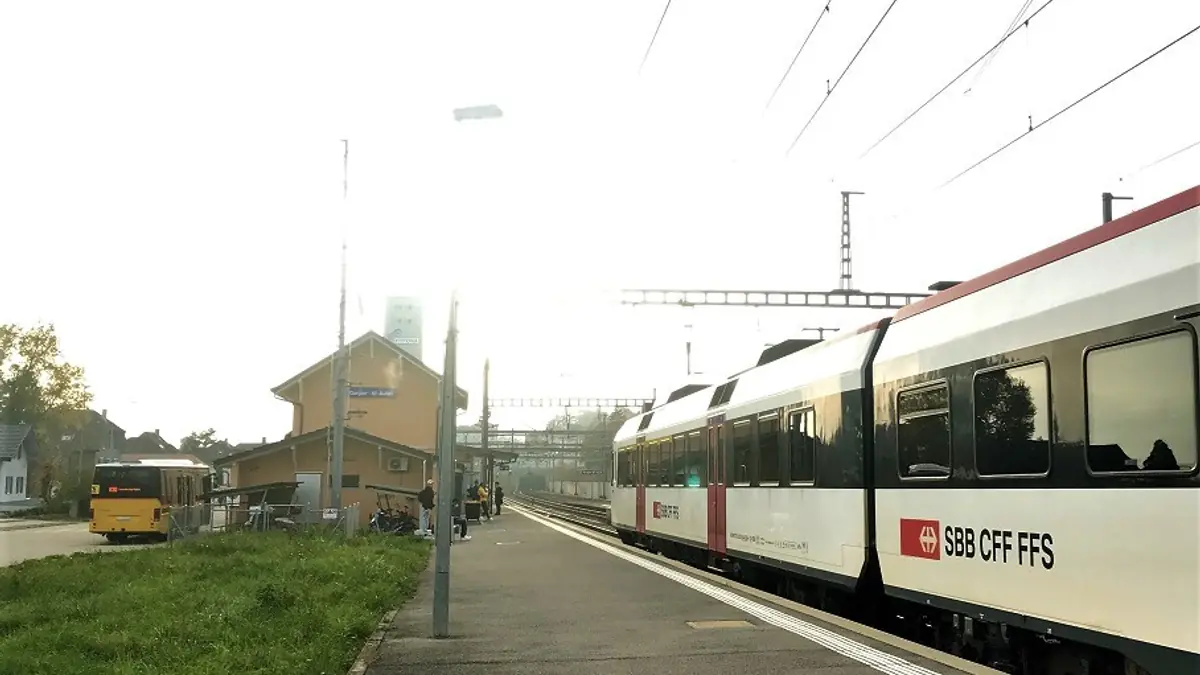
Despite the 28% drop in oil prices, it is increasingly expensive to fill up in Switzerland. Petrol at 2.13 CHF/litre, diesel at 2.27 CHF/litre: the increase has exceeded 40 cents since February.
Context
In a nutshell
- Oil down 28%, fuels up in Switzerland
- Petrol 2.13 CHF/litre, diesel 2.27 CHF/litre
- Destroyed refineries reduce global supply by 10%
- River transport 10 times more expensive for lower Rhine
Key facts
- What: Fuel prices paradoxically increasing
- When: August 2026 vs February 2026
- Where: Switzerland (TCS data)
- Who: Swiss Touring Club, AWP experts
- Petrol: 2.13 CHF per litre
- Diesel: CHF 2.27 per litre
- Increase: Over 40 cents since February
- Cause: Global refinery crisis (-10% capacity)
The Swiss pump paradox
Despite the fact that the price of a barrel of crude oil has fallen by 28% compared to the maximum reached at the beginning of May, filling up in Switzerland is costing more and more. It is a paradox that worries motorists and that, according to experts, is due to deep structural reasons, linked above all to the destruction of refineries in theaters of war in the Middle East and Ukraine.
Data from the Swiss Touring Club (TCS) confirm the rise in price: the average price for a liter of unleaded 98 gasoline reached 2.13 francs, while diesel is sold at 2.27 francs. At the end of February, the same fuels cost CHF 1.78 and CHF 1.79 respectively. In a few months, therefore, the price increased by more than 40 cents per litre.
Two converging factors explain this anomaly. The first is exceptional and, over time, should be attenuated: the heatwave has drastically reduced the
Operational details
Switzerland's vulnerability
For Switzerland, which depends on imports for approximately 70-75% of its petroleum product needs, the situation is particularly difficult. The only national refinery, located in Cressier in Canton Neuchâtel, operates at full capacity but is completely integrated into European supply chains and cannot make up for the deficit. Most fuel arrives by ship via the Rhine, making the country vulnerable to both logistical and structural problems.
This depends not on recent choices, but on Swiss geography and industrial structure. Increasing refining capacity in Europe or Switzerland appears as a prohibitive operation, which would require enormous investments and long timeframes. For this reason, specialists consulted by AWP predict that the situation will remain tense for a long time.
For those who work on the road — transporters, representatives, technicians — the impact is immediate: profit margins erode. A car cost calculator can help assess the precise economic effect.
Limited prospects in the short to medium term
Although transport costs may decrease in the medium term — when the Rhine returns to normal levels — as long as current bottlenecks persist in world refineries, Swiss motorists will hardly be able to expect real relief at the pump.
The economic impact is broad: even for commuters who cross the national territory, operating costs rise significantly. The situation is complicated by the fact that, unlike previous energy crises (such as the 2022 one that affected the entire world), this time the factor is distributed: part depends on Swiss river logistics (which can improve), part from uncontrollable geopolitical factors (refinery destruction). This combination makes a quick solution very difficult.
An important aspect is also the inflationary context: higher fuel costs are reflected in freight transport costs, and therefore in the cost of living in general. It's not just a matter of the pump, but a cascading effect on the entire economy.
Useful tools to protect your net income
To reduce FX leakage, compare CHF-EUR exchange options and banks for cross-border workers.
Key points
Concrete strategies to address high prices
While waiting for the situation to improve, Swiss motorists can adopt several concrete strategies. The first is to optimize fuel consumption through less aggressive driving: gradual accelerations, constant speed, regular vehicle maintenance.
The second is to evaluate alternatives: public transport often remains more cost-effective compared to the total costs of owning and managing a private car. For those who have the possibility, carpooling (sharing the ride with colleagues or friends) reduces fuel costs spread across more people. In the medium term, electric vehicles could offer economic advantages, although the initial purchase cost is higher.
It is also useful to regularly monitor prices at the pump: the TCS publishes average data by canton, and in some cases it is possible to find gas stations with slightly lower rates. Filing a tax return, for its part, allows those who have incurred fuel expenses for professional reasons (representatives, craftsmen, freelancers with frequent travel) to deduct the expenses from taxable income.
What to monitor in the coming months
The level of the Rhine will continue to be a critical indicator. When water returns to normal levels, the cost of shipping via ship should decrease significantly. This could lead to a reduction of 10-20 cents per liter in the second half of the year, if geopolitical factors do not worsen further.
In the meantime, it is important to keep an eye on the evolution of global refineries and the conflicts affecting them. Although Italy and France have greater refining capacity than Switzerland, and can theoretically supply fuel to the Swiss market via pipeline, the profit margin of the refineries themselves remains high as long as their global capacity is limited.
For those planning car purchases or investments, fuel prices should remain in the calculation of operating costs for some more months. Consulting a car cost calculator can help estimate the economic impact of a new vehicle.
Source: swissinfo.ch
Frequently Asked Questions
- Why do gasoline prices go up if crude oil is down?
- Because the global refinery crisis has reduced the capacity to transform crude oil into petrol and diesel by at least 10%. Refineries that are still active can therefore ask for higher prices (the so-called crack spread reaches 2022 levels). In addition, transport via the Rhine cost 10 times more in Switzerland due to the low water level, adding about 16 cents per litre.
- How much of the fuel does Switzerland import?
- Switzerland depends on imports for 70-75% of its oil product needs. The only national refinery, in Cressier in the Canton of Neuchâtel, operates at full capacity but is not enough to cover domestic demand.
- When will pump prices drop?
- The level of the Rhine is expected to return to normal in the medium term, reducing river transport costs. However, as long as the world's refineries operate under-capacity (due to the destruction in the Middle East and Ukraine), Swiss motorists can hardly expect real relief. Specialists predict that the situation will remain tense for a long time to come.
- How much has the price increased since February 2026?
- Over 40 cents per litre. Petrol went from 1.78 CHF/litre to 2.13 CHF/litre (increase of 35 cents), diesel from 1.79 CHF/litre to 2.27 CHF/litre (increase of 48 cents), according to data from the Swiss Touring Club.
- What can I do to save fuel?
- You can optimize the driving style (gradual accelerations, constant speed), evaluate public transport or carpooling to share the costs. If you work on the road, a car cost calculator helps you estimate the precise impact. In the medium term, electric vehicles could offer economic advantages, although the initial purchase cost is higher.