Drought and heatwave are putting cheese producers in crisis
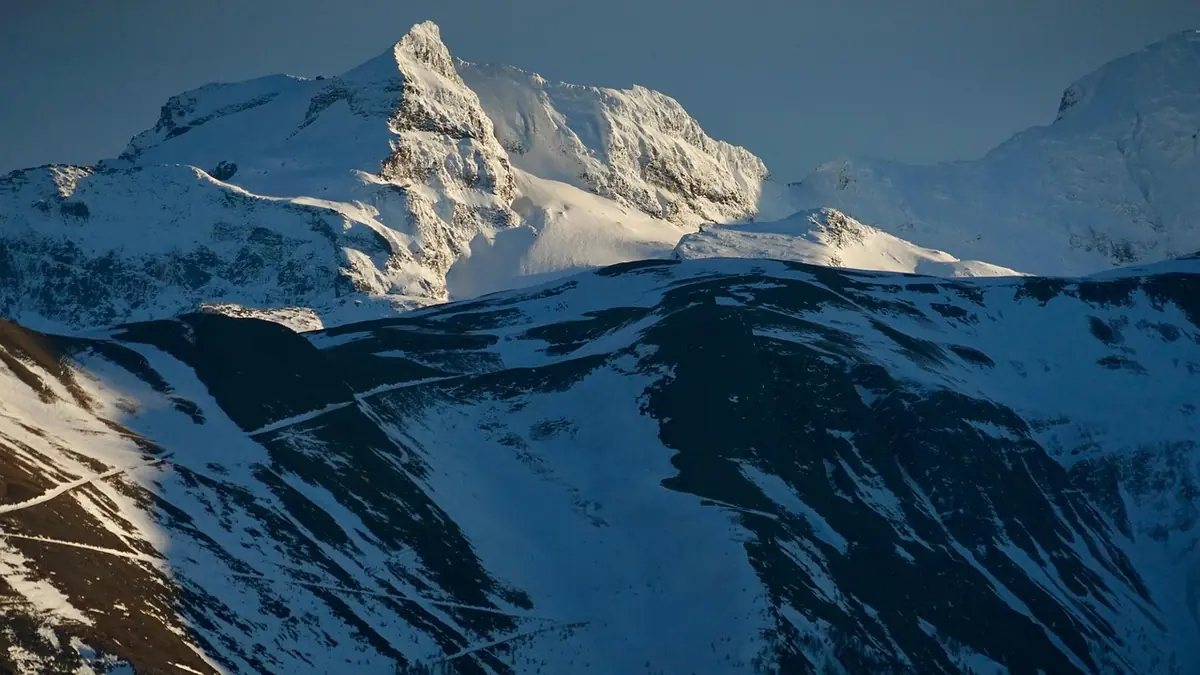
Heatwave and summer drought affect cheese and milk producers in Switzerland, with production declines and additional costs for fodder.
Context
In a nutshell
- Canicola and drought put a strain on Swiss producers.
- Cows produce less milk due to heat stress.
- A decrease of about 10% was recorded for the Gruyère d 'alpeggio.
- Increasing production costs for the purchase of fodder.
Key facts
- What: Decline in milk and cheese production
- When: Summer period characterized by persistent heat
- Where: Switzerland
- Who: Swiss Milk Producers Federation (PSL)
- Amount: Expected decrease of 10% for the Gruyère d 'alpeggio
Extreme weather conditions characterized by dogfighting and drought are putting a strain on cheese producers across Switzerland. The situation in the dairy sector is defined as very tense by the spokesperson of the Swiss Milk Producers Federation (PSL), Christa Brügger, interviewed by Keystone-ATS. In addition to the persistent heat and lack of rainfall, farmers have to deal with low milk prices, an overall increase in operating costs and, in some specific farms, with the onset of health problems related to unfavourable environmental conditions. Cows clearly suffer from thermal stress, a factor that drastically reduces appetite and, consequently, the amount of milk milked daily. At the same time, the spontaneous growth of grass in pastures is severely limited by water shortages, generating a significant shortage of green fodder for livestock.
Operational details
Analysis of the economic and production impact
The in-depth analysis of the consequences of the summer drought reveals marked differences between mountain and lowland production within the Swiss agri-food sector. From a quantitative point of view, the trade organisations recorded an evident decrease in the volumes of milk delivered in the summer months, in particular between July and August. As for the Gruyère d 'alpeggio, estimates indicate a contraction estimated at around 10 percent of production compared to the same period of the previous year. This marked decline partially contrasts with the situation found in lowland dairies, where the contraction in production volumes remains overall more limited and manageable. Many plain plants can in fact count on the availability of milk that is usually not destined for processing into Gruyère PDO, thus allowing to partially cushion the blow of the drop in deliveries from individual farmers. In addition, Gruyère's production carried out with substantial volumes during the spring months offers lowland dairies a useful operating margin to reach the set quotas. However, the pressure on profit margins remains high for the entire supply chain due to the out-of-pocket costs incurred for the purchase of substitute fodder, which affect the profitability of individual farms. Olivier Isler, while recognizing the importance of
Recommended tools
For an updated estimate, use the net salary calculator and the CHF-EUR exchange comparator.
Key points
Crisis management and future prospects for farmers
Faced with the challenges posed by climate change and summer heatwaves, operators in the Swiss agricultural and dairy sector need to adopt targeted strategies for corporate resource management and inventory planning. The immediate priority for farms involved in the fodder shortage is to closely monitor hay and dry fodder stocks destined for winter, promptly evaluating any supplementary purchases in accordance with the strict regulations of PDO products such as Gruyère and Tête de Moine. Farmers and cheese producers can consult the economic and tax updates for the management of their business through the dedicated information services. To deepen financial planning and the impact of extraordinary operating costs on the company or personal budget, it is advisable to use the calculation channels and official guides available online. Access to economic planning tools allows you to more accurately assess the sustainability of long-term investments and the impact of unforeseen expenses related to climate adversity on overall income. For a detailed analysis of the financial aspects and to orient yourself among the economic and budgetary resources available in Switzerland, it is advisable to consult the official calcola stipendio e imposte calculator.
Source: tio.ch
Frequently Asked Questions
- What are the main causes of the drop in milk production in Switzerland?
- The drop in milk production is mainly caused by heat stroke and drought which cause heat stress in cows, leading them to eat less, and which reduce grass growth in pastures creating a severe forage shortage.
- Which Swiss cheeses have the greatest production difficulties?
- The interprofessional organizations of Gruyère and Tête de Moine confirm a very significant impact. For the Gruyère d 'alpeggio production is expected to decrease by about 10% compared to the previous year, while for the Tête de Moine there is a pressure on milk production in July and August.
- How do producers address the shortage of green fodder?
- Many farms had to start using the dry fodder and hay reserves planned for autumn and winter in advance. For Tête de Moine PDO there is the difficulty of finding dry fodder that complies with the specification, which prohibits the use of silage fodder.