Health insurance: let's not call it a success
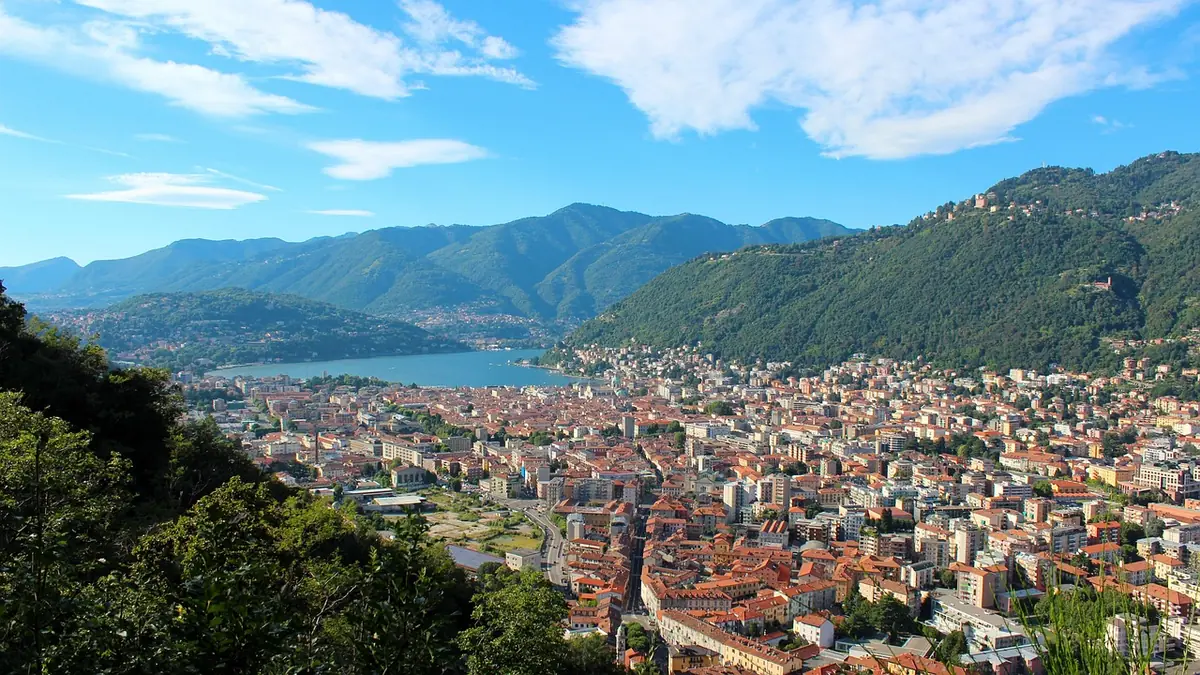
Premiums in Ticino +3.7% in 2027 compared to the Swiss average of 5%. The average premium reaches 519.90 francs, +56% in a decade.
Context
In brief
- In 2027, Ticino's premiums will increase by 3.7%.
- The Swiss average premium rate will rise by 5%.
- The average Ticino premium will reach 519.90 francs per month.
- In a decade, the Ticino premium has grown by about 56%.
Key Facts
- Author → Luca Frasa, Movimento giovani leghisti
- Year → 2027
- Increase in Ticino → 3.7%
- Swiss average → 5%
- Average Ticino premium → CHF 519.90 per month
- Growth in the last decade → about 56%
- Compared to Zug → around 11%
- Proposal → uniform premiums at national level
In 2027, Ticino will see health insurance premiums increase by 3.7%, compared to 5% of the Swiss average. The Council of State speaks of an encouraging sign and the first effects of the work done. Luca Frasa, of the Young League Movement, however, urges not to read yet another price increase as a victory.
"Let's take note of it. But let's not turn yet another increase into a victory."
The figure beyond 2027
The average Ticino premium will rise to 519.90 francs per month, still the highest in Switzerland. The percentage expected for 2027 comes after years of price increases that, according to the author, have hit the canton harder than others. The message therefore does not only concern next year's change, but the path that preceded it.
In the last decade, the premium in Ticino has grown by about 56%. In other cantons the increase has been much lower; in Zug, for example, it is around 11%. The comparison shows the distance accumulated over time, without canceling the fact that the Ticino annual figure is lower than the expected Swiss average.
For Ticino families, writes Frasa, these are not abstract percentages. It is money that every month is added to rents, energy, shopping, mobility and a cost of living that continues to put pressure on purchasing power.
The funding proposal
The issue is presented as structural. The KVG is federal and compulsory benefits are governed by the same law throughout Switzerland; however, financing through premiums produces enormous differences between one canton and another. In recent days, Frasa reports that he has coordinated with Alessandro Mazzoleni, deputy in the Grand Council of the Lega dei Ticinese.
Mazzoleni then presented a cantonal initiative to ask Bern for a modification of the KVG: uniform premiums at national level for the same age, deductible and insurance model, together with a national distribution of the costs of compulsory care. To accompany the public data with a verification of the insurance issue, confronto cassa malati e LAMal is available.
Operational details
How to Really Interpret the Increase
The first practical step is to distinguish the pace of the increase from its starting level. An increase below the national average is still an increase: it does not mean that the premium is decreasing or that the burden on the household budget will automatically be reduced. The news says that Ticino will grow less than the average in 2027; it also says that it starts from an already very high average level.
The second step is to separate a single year from the trajectory. A budget built only around the next adjustment risks overlooking the effect of previous years. The comparison with Zugo is precisely meant to show this trajectory: in Ticino, growth over the last decade was much more pronounced. The figure therefore raises a question about how spending is financed, not just about its immediate change.
| Reading perspective | What it means for a family |
|---|---|
| Annual increase | Measures the expected increase for 2027 |
| Average premium | Provides a monthly reference for Ticino |
| Ten-year evolution | Shows the cumulative effect of increases |
| Comparison between cantons | Highlights regional differences |
| Financing | Takes the debate beyond the percentage alone |
From Premium to Monthly Spending
The source places the premium alongside rent, energy, groceries and transportation. Therefore, the practical interpretation does not consist in memorizing a percentage, but in checking how much room remains each month after these expenses. The cost of living is not presented as a separate item: it is the overall pressure on purchasing power.
The political issue concerns the structure. If mandatory benefits are regulated by the same LAMal throughout Switzerland, the place where a person lives still affects the bill through the premium mechanism. The proposal brought to Bern changes the perspective: not only how to slow increases, but how to finance a mandatory federal social insurance scheme.
The idea of uniform premiums for people with the same age, deductible and insurance model, with a national distribution of the costs of mandatory care, opens up a focused debate. The reader can separate two questions: how much the premium affects their budget today and what criterion should distribute the costs among the cantons. To organize the first part together with the other expenses, one can consult costo della vita in Svizzera.
Useful tools to protect your net income
To reduce FX leakage, compare CHF-EUR exchange options and banks for cross-border workers.
Key points
An operational path to read shopping
A personal check can start from a monthly sheet built for 2027. There is no need to turn the national trend into a promise of savings: it is necessary to use it as a reference to read one's spending and the weight of the different items.
1. Set the horizon. Write 2027 at the top of the card and note the average Ticino premium indicated in the source as a parameter of comparison with your monthly invoice. 2. Separate expenses. Keep health insurance, rent, energy, spending and mobility on different lines so that you can see which costs are affecting your budget together. 3. Compare the levels. Record the expected increase for Ticino, the Swiss average and the evolution of the last decade without confusing the annual figure with the accumulated one. 4. Divide the two plans. On the one hand, place the expenditure that weighs today; on the other hand, note the discussion on the modification of the KVG and the financing criteria.
This method helps not to use the national comparison as an automatic response to the situation of each family. The average premium is a reference for Ticino, while the concrete pressure arises from the set of monthly expenditures. The sheet also allows you to check whether the increase is assessed alone or together with the rest of the cost of living.
In order to follow the political proposal, the points to be kept separate are those indicated in the cantonal initiative: uniform premiums at national level, age parity, deductible and insurance model, as well as the national distribution of the costs of compulsory care. In this way, the debate remains anchored in readable criteria and not just in the percentage of the year.
The verification can be updated when the 2027 framework is examined in the household budget. To turn this reading into an assessment of personal income and expenses, use the calcolatore stipendio.
Source: tio.ch
Frequently Asked Questions
- What is the expected increase in health insurance premiums in Ticino in 2027?
- According to the data, premiums in Ticino will increase by 3,7% in 2027, lower than the Swiss average of 5%. However, the average premium in Ticino will reach 519,90 francs per month, remaining the highest in Switzerland.
- How is spending on health insurance in Ticino evolving compared to other cantons?
- Over the last ten years, premiums in Ticino have grown by approximately 56%, while in cantons such as Zug the increase was around 11%. This difference shows how the higher starting point and the more marked growth over time have created a significant gap.
- What are the proposals to modify the health insurance financing system?
- A cantonal initiative was presented to ask Bern for an amendment to the LAMal providing for uniform premiums nationwide for the same age, deductible and insurance model, together with a nationwide allocation of the costs of mandatory healthcare.
Related articles
- All articles: Health and insurance
- Premi cassa malati 2027 in Ticino: l'aumento reale in franchi
- Premi cassa malati Zurigo e riduzione premi: guida pratica
- Premi cassa malati Cantone Berna e riduzione premi
- Premi cassa malati Cantone Glarona e riduzione premi
- Premi cassa malati Cantone Uri e riduzione premi