Ticino border commuter car cost: all costs
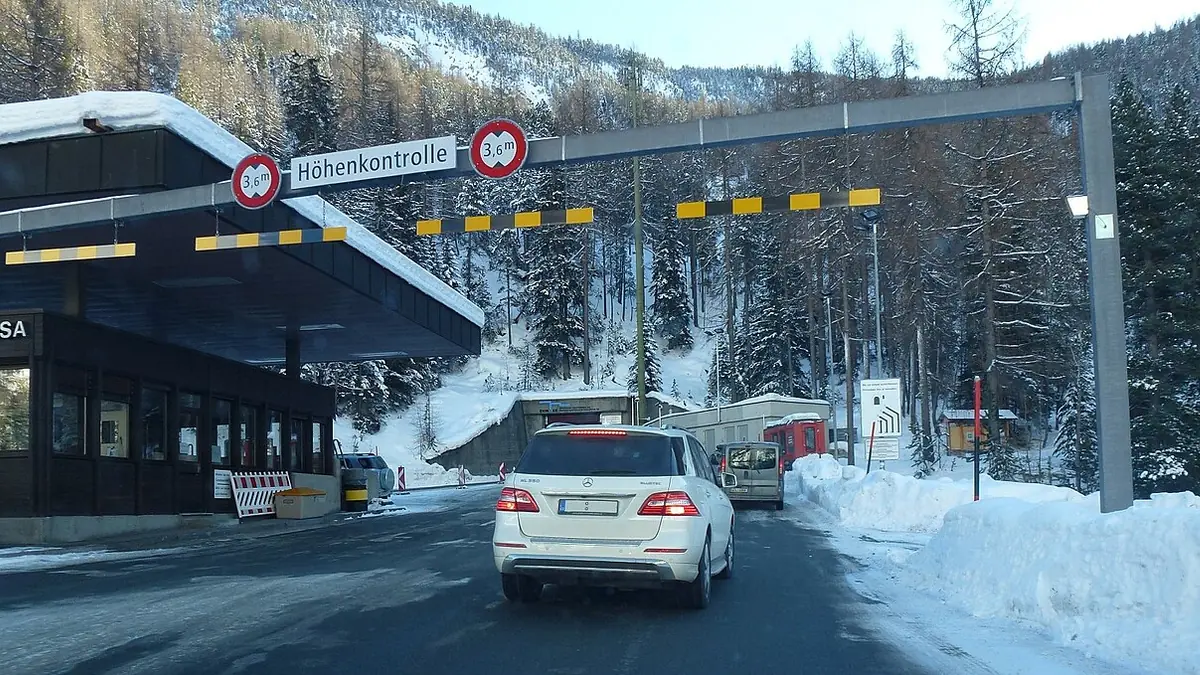
Discover all the car costs for commuters: petrol, vignettes, parking, wear and tear, comparison with train and bus.
Context
In short
- All car costs for commuters: petrol, vignettes, parking, wear and tear.
- Comparison with train and bus.
- Practical tips to save money.
Key facts
- What: Car costs for commuters.
- When: Always.
- Where: Ticino.
- Who: Commuters.
- Amount: Various. The cost of a car for a commuter in Ticino can be significant. In addition to the price of fuel, there are also expenses for the vignette, parking and wear and tear of the vehicle. In this article, we will review all the costs associated with using the car for commuters and compare these costs with those of the train and bus.
Fuel costs Fuel cost is one of the main factors to consider.
The price of petrol and diesel may vary, but it is important to take into account the average consumption of your vehicle. For example, a car that consumes 7 liters per 100 kilometers and travels 50 kilometers per day, will spend about CHF 35 per week on fuel alone.
Vignettes and parking
In addition to fuel, there are also costs for the motorway vignette and parking. The motorway vignette costs CHF 40 per year, while parking may vary depending on the city and length of parking. For example, parking in a garage in Lugano can cost up to CHF 200 per month.
Vehicle Wear Vehicle wear is another cost to consider. Maintenance, repairs and replacement of worn parts can significantly increase the
Operational details
Practical analysis
The cost analysis of the commuter car in Ticino reveals that, although the car offers comfort and flexibility, it can be more expensive than the train and bus alternatives. For example, a commuter using the car to get to work can spend up to CHF 500 per month just on fuel, vignette, and parking. On the other hand, a monthly train subscription can cost around CHF 200, while a bus subscription can cost around CHF 100.
Cost comparison
For a commuter travelling 50 kilometres per day, the cost of fuel can be significant. For example, a car that consumes 7 liters per 100 kilometers and travels 50 kilometers per day, will spend about CHF 35 per week on fuel alone. This translates to about CHF 140 per month.
Vignettes and parking
In addition to fuel, there are also costs for the motorway vignette and parking. The motorway vignette costs CHF 40 per year, while parking may vary depending on the city and length of parking. For example, parking in a garage in Lugano can cost up to CHF 200 per month.
Vehicle Wear Vehicle wear is another cost to consider. Maintenance, repairs and replacement of worn parts can significantly increase the total cost of the car. It is important to plan for these costs and include them in your monthly budget.
Practical Tips for Saving There are several ways to
Useful tools to protect your net income
To reduce FX leakage, compare CHF-EUR exchange options and banks for cross-border workers.
Key points
Action To reduce car costs for commuters in Ticino, it is important to follow some practical tips. For example, sharing your car with other commuters can reduce fuel and parking costs. Also, keeping your car in good condition can reduce maintenance and repair costs.
Sharing your car Sharing your car with other commuters can reduce fuel and parking costs. For example, if two commuters share a car, they can cut fuel and parking costs in half.
Keeping the car in good condition Keeping the car in good condition can reduce maintenance and repair costs. For example, carrying out regular checks and maintenance can prevent costly breakdowns and repairs.
Conclusion Following these practical tips can reduce total car costs for commuters in Ticino. Comparing costs with train and bus alternatives can help you make an informed decision. In addition, following a few practical tips can reduce your total car costs.
First day as a cross-border worker? Our practical guide walks you from cantonal registration to your first paycheck.
Frequently Asked Questions
- What are the main costs associated with using the car for commuters?
- The main costs associated with commuter car use include fuel, highway vignette, parking, and vehicle wear and tear.
- How can I save on commuter car costs?
- You can save on commuter car costs by sharing the car with other commuters and keeping the car in good condition.
- What are the cheapest alternatives to cars for commuters?
- Cheaper alternatives to the commuter car include the train and bus. For example, a monthly train subscription can cost around CHF 200, while a bus subscription can cost around CHF 100.