Trenord leaves 30 passengers stranded in Gallarate, Region must intervene (cross-border guide)
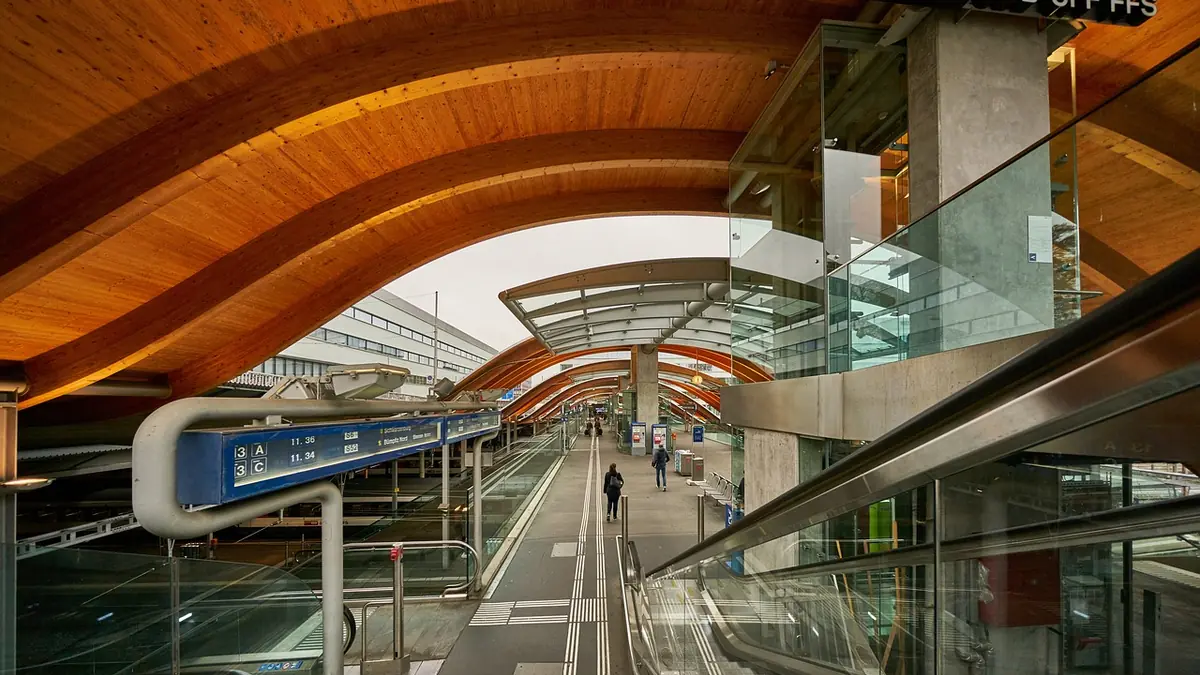
During the night between September 22 and 23, around thirty passengers bound for Malpensa were left stranded at Gallarate after the departure of the last empty train, without assistance or connections.
Context
In brief
- Around thirty passengers were left at Gallarate
- The incident occurred between 22 and 23 September
- The travelers were headed to Malpensa
- Astuti asks the Region for clarification
- Location → Gallarate station
- When → night between 22 and 23 September
- Passengers involved → around thirty
- Destination → Malpensa
- Problem reported → no connection or assistance
- Political request → clarification and checks by the Region
The night between 22 and 23 September
During the night between 22 and 23 September, around thirty travelers were left at Gallarate station after the departure of the last train. The passengers were supposed to travel to Malpensa, but were left stranded without connections or assistance.
The account reported in the source presents a decisive detail: the last train departed regularly, but without anyone on board. The group therefore found itself without an available connection and, according to reports, without communication or support from the company.
The case was brought back into the spotlight by Pd regional councillor Samuele Astuti, after he read the first-person testimony of a passenger involved in the misadventure.
The political objection is summed up in the sentence: «Trenord abandoned around thirty passengers at Gallarate; the Region should demand answers from the company».
For Astuti, if the events happened as described, this is not a simple service disruption. The councillor stressed that thirty people cannot be left at midnight, in a closed station, without a connection and without assistance. The request is directed at the Lombardy Region, which should also clarify why assistance was not provided to the passengers.
According to the councillor, the incident comes less than a week after the report of disruptions and cancellations on the Varesotto lines. Astuti called the new incident even more outrageous and linked the matter to another objection: while service disruptions increase, fares are also rising.
The next step is political. Next month, the Regional Council will discuss the Regional Mobility and Transport Program; on that occasion, the Pd group intends to ask that quality, reliability and passenger assistance be concrete objectives. The position expressed is that it is unacceptable to pay more for a service in which, in cases like this, even basic assistance is lacking.
Operational details
The issue is not only the delay
The matter, viewed from a practical standpoint, is not described as a simple delayed train. What is being challenged is the overall sequence: the travelers had to reach Malpensa, the last train departed as scheduled, but the group was left behind and without assistance. According to Astuti, it is this combination that takes the case beyond an ordinary service disruption.
For those who need to reach Malpensa, the difference between a canceled service and a train that departs without passengers is not explained by the source in terms of schedules or alternatives. The text does not indicate whether other connections were available, what communications were given before departure, or what solution was proposed to the people left at the station. These details cannot be added to the reconstruction.
The central question therefore becomes procedural. Regione Lombardia is called upon to ask Trenord which procedures were activated and why assistance was not provided. No response from the company or Regione Lombardia is reported, however. The reader can thus distinguish between the fact recounted and the checks still requested: the former is the group’s remaining without a connection or support; the latter concern operational responsibilities and methods of assistance.
For the Frontaliere Ticino audience, the thematic boundary must be kept clear: the source does not mention permesso G, AVS, LPP, LAMal, withholding tax, or double taxation. It therefore provides no information on these matters, nor does it authorize connecting the episode to topics other than the transport incident in the Varesotto area.
The reference to fares, too, should be read as Astuti’s political statement. The source reports that, in his view, service disruptions and fares are increasing together; it does not provide amounts, percentages, dates of increases, or a fare comparison. For this reason, it is not possible to turn that statement into a calculation of the cost of the journey.
As a separate in-depth resource on mobility services, the reader can consult mezzi pubblici Ticino, without attributing information about the Gallarate case to that page.
Useful planning tools
To estimate your pension strategy, use the pension planner and the pillar 3 simulator.
Frequently Asked Questions
- What happened to the passengers at Gallarate station?
- About thirty travellers headed to Malpensa stayed in Gallarate after the departure of the last convoy, which left without passengers. No alternative connections or assistance were provided by the company, leaving travelers unsupported overnight.
- Who raised the issue and what did they ask?
- The regional councilor of the PD Samuele Astuti denounced the incident, asking the Lombardy Region to hold Trenord to account and to verify the procedures activated as well as the reason why assistance to passengers was not guaranteed.
- What are the next institutional steps planned?
- The Lombardy Region should immediately ask Trenord for explanations. Subsequently, the Regional Council will discuss the Regional Mobility and Transport Programme, where the PD group will propose concrete objectives on quality, reliability and passenger assistance.