Thirty travelers in Gallarate after the train to Malpensa (cross-border guide)
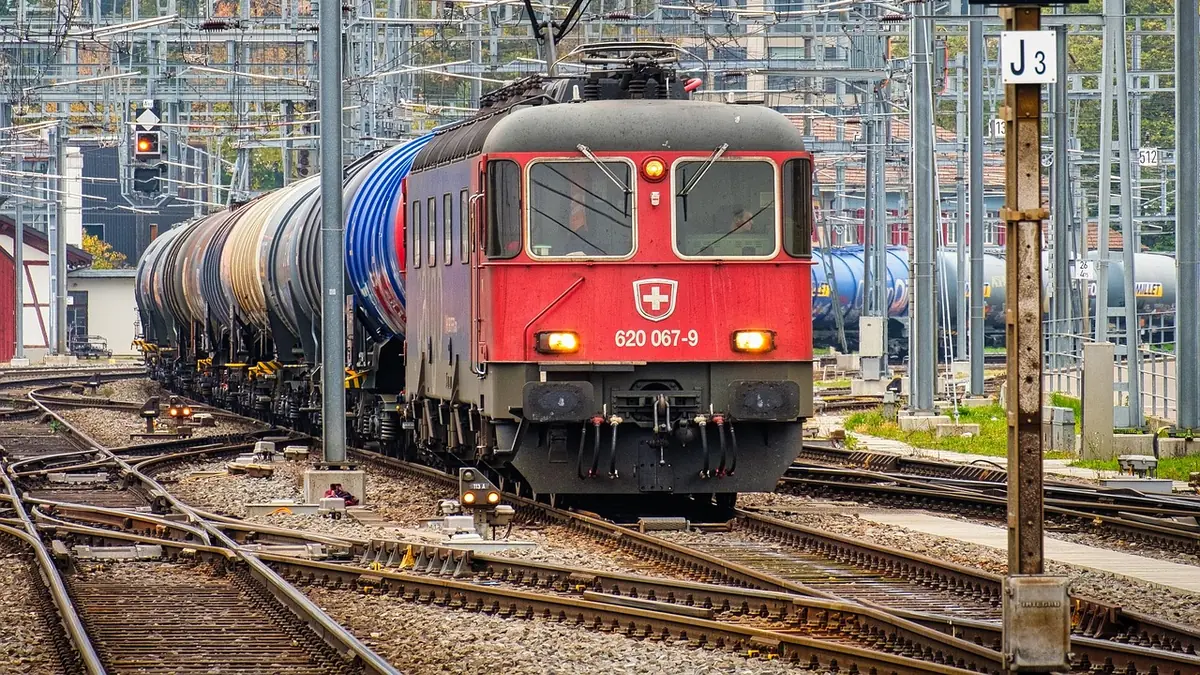
About thirty travelers were stranded at Gallarate station on the evening of 22 September, waiting for train 2989 at 23.24, which was replaced by buses due to nighttime works.
Context
....
Operational details
The case compares the scheduled service with what the traveler sees on site. Before September 22, the change was communicated through notices and the timetable search engine: 2989 would not run between Gallarate and Saronno, and the route would be covered by buses as far as Saronno. On the night of September 22, however, the systems update had removed that change. The result was an operational contradiction: the commercial service had been organized differently, while the station continued to display the train.
For anyone who needs to continue their journey in the evening or reach the airport, the difference is not merely formal. The presence of the train, the lights being on, and the announcements had created an indication that was coherent only on the surface. The timetable search engine, also consulted by customer service at least initially, returned 2989 as an active service. Under these conditions, the passenger was not faced with simply incomplete information, but with indications that contradicted one another.
The infrastructure issue
The explanation provided by Trenord refers to the structure of the line. Gallarate is on the Rfi network. The connection toward Malpensa and Saronno, however, involves the Ferrovienord network up to Milano Bovisa, then the route returns to Rfi tracks up to Milano Centrale. The works referred to in the notices concerned the Saronno-Castellanza section of the Ferrovienord network.
According to the company, the update of September 21 was the responsibility of the infrastructure managers and had caused the change to disappear. The reconstruction was carried out with Rfi and FerrovieNord, identified as responsible for the Malpensa-Bovisa section. This explains why a cancellation scheduled days in advance remained correctly shown in the original notices, but not in the systems used that evening.
To read the case in practical terms, it is useful to separate three moments: the decision to carry out the works, the publication of the bus replacement service and the updating of information in the station. The first and second had been prepared; the third erased the decisive piece of data. For those traveling between the stations concerned, the risk arises precisely when these three sources do not coincide. The reference to mezzi pubblici Ticino may help compare transport options, but it does not replace the specific notices concerning the line described.
Recommended tools
For an updated estimate, use the net salary calculator and the CHF-EUR exchange comparator.
Key points
How to navigate during the works period
Those departing from Gallarate on weekday nights between 14 September and 30 October can follow the sequence indicated by the official notices:
1. Check whether the journey concerns one of services 2985, 2987 or 2989. The change concerned the Gallarate-Saronno route, with replacement buses. 2. For 2989, check the scheduled departure at 23.24 from Gallarate and the bus destination as far as Saronno. Trenord also reported an additional special bus service departing at the same time, bound for Malpensa. 3. Compare the Rfi or Trenord notice with what appears on the timetable search engine and on the boards. On 22 September, these channels did not show the same information: the check is therefore needed to identify any discrepancies. 4. If the train still appears but the doors remain closed, ask staff for information when available and contact Trenord customer service. On the evening described, customer service also initially saw 2989 as operating. 5. If the station is closed and there are no staff members, the source documents that some travelers, after midnight, made their own arrangements. One group called a car with a driver and reached Malpensa at around 2. The source describes this as passengers organizing independently and, separately, reports the special bus service arranged by Trenord.
What changes after the verification
Trenord communicated that, once the anomaly was identified, the infrastructure manager modified the station announcements. The company therefore indicated that the problem should not recur. The same note specified that the special bus service had been arranged, even though that evening it was not signaled on site.
The point to retain, for those who need to organize a journey, is the distinction between the bus to Saronno and the additional service bound for Malpensa: these are two indications reported in Trenord's account and should be read together with the departure point, Gallarate, and the time of 23.24. To compare the cost of a road-based option, costo auto pendolare is available. To complete the planning of work-related expenses, also use calcolatore stipendio.
Source: varesenews.it
Frequently Asked Questions
- What was the mistake that left travelers ashore in Gallarate?
- The systems update on September 21 removed bus replacement communication from the 2989 train, making the train appear in advertisements despite being suppressed. This created a mismatch between the official information and the information displayed at the station, leaving passengers waiting for a train that would not leave.
- What were the trips affected by night work on the Saronno-Castellanza line?
- Rides 2985, 2987 and 2989 of the Milano Centrale-Malpensa-Gallarate relationship were scheduled to be replaced by buses between Gallarate and Saronno from 14 September to 30 October, due to scheduled maintenance work on the Ferrovienord network.
- What did travelers do after midnight when the station was closed?
- After midnight, with the station closed and no attendants present, some travellers, including the reporter, a Malpensa worker and some tourists, called a car with a driver and reached the airport around 2 am.
Related articles
- All articles: Transport and traffic
- Trenord lascia 30 passeggeri a Gallarate, Regione intervenga
- Comitati e associazioni intorno a Malpensa chiedono
- Lavori alla stazione di Gallarate: modifiche alla linea S5 e bus sostitutivi
- Treno Lugano-Zurigo in panne: passeggeri a piedi da
- Dal 2027 presidio Fs Security a Gallarate