TILO Breaks Through 25 Million Passengers in 2025
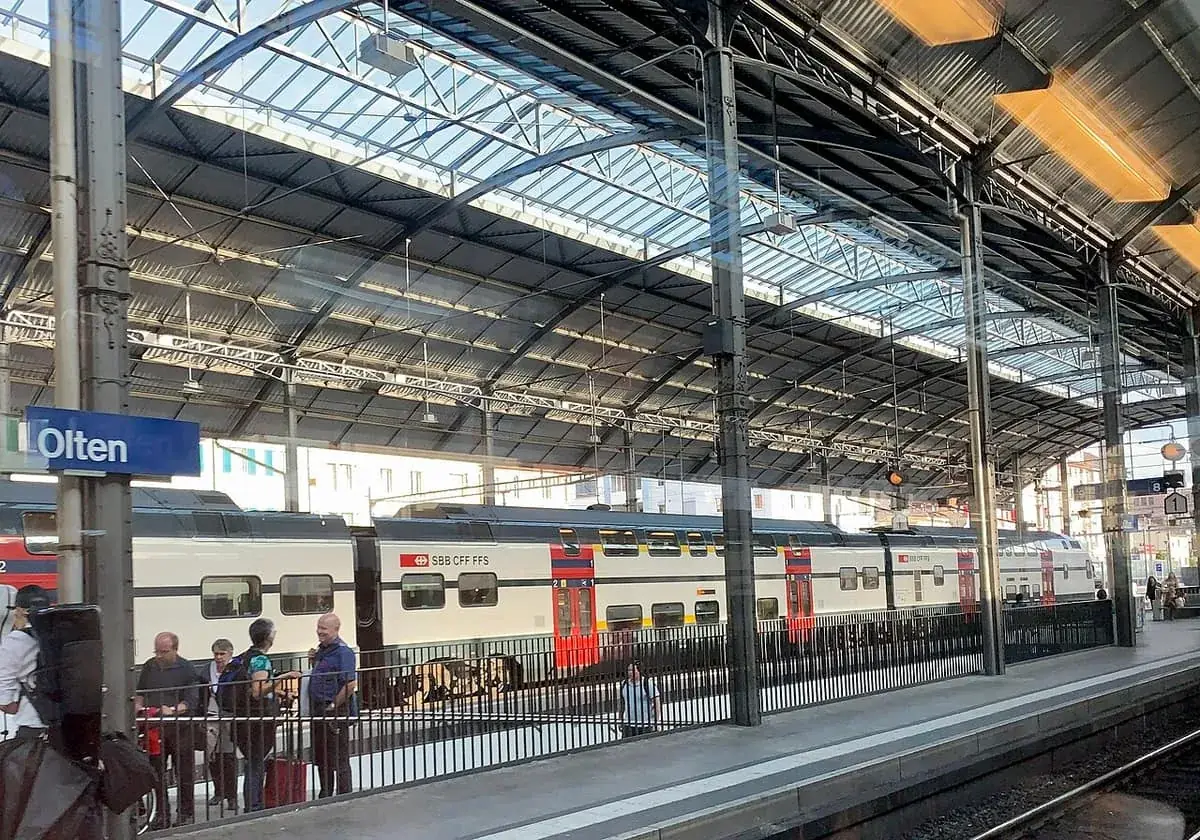
In 2025, TILO transported 25 million people, marking a 50% increase since 2019 and setting new records especially at Lugano and Milan Central stations.
Context
TL;DR
- TILO reached 25M passengers in 2025, a 50% increase since 2019.
- Major infrastructure projects boosted cross-border rail traffic.
- Lugano and Milan Central are the busiest stations in the network.
Key facts
- Passengers 2025: 25 million
- Passengers 2019: 16.7 million
- Passengers 2016: 12.3 million
- Growth 2024-2025: 3.7%
- Cross-border trips: 20% of total passengers
- Lugano daily avg: 31,000 passengers in October 2025
- Milan daily avg: 16,400 passengers in October 2025
- Peak daily travelers: 87,700 in October 2025
In 2025, the TILO rail network, connecting Canton Ticino with Lombardy, reached a historic milestone by transporting 25 million passengers, a 50% increase compared to 2019 when it counted 16.7 million. This figure represents double the number of travelers carried in 2019 and more than twice the 12.3 million recorded in 2016. The increase compared to 2024 alone was 3.7%, confirming a steady and significant growth in cross-border traffic between Switzerland and Italy. This growth was supported by major infrastructure projects: the Mendrisio–Varese Railway (FMV), which started operating in 2018, greatly improved connections between the two countries, while the Ceneri Base Tunnel (CBT), inaugurated in 2020, drastically reduced travel times between Bellinzona, Lugano, and Mendrisio. The introduction of new stops and the enhancement of services have made TILO an increasingly attractive option for commuters, cross-border workers, and tourists. Mobility between Ticino and Lombardy remains crucial: 20% of passengers made cross-border trips. Lugano remains the busiest station in Ticino, averaging 31,000 TILO passengers daily in October 2025, a month that saw a record peak of 87,700 daily travelers on the network. Milan Central is the busiest Lombard station, with 16,400 TILO passengers recorded daily during the same month. These figures highlight the strategic importance of the rail corridor between Ticino and Lombardy, essential for the local economy and cross-border workers who daily commute through the Brogeda, Gaggiolo, and other border crossings. The growth in TILO rail traffic comes with challenges in managing punctuality, with a slight decline in Ticino compared to 2024, but significant improvements in Lombardy, especially on the RE80 line that connects Milan Central to Lugano and Locarno.
Operational details
The expansion of the TILO service is based on a series of infrastructure interventions and regulations that have made cross-border mobility more efficient and attractive. The Mendrisio–Varese Railway (FMV), inaugurated in 2018, marked a turning point by directly linking the Ticino rail network with Lombardy’s, integrating the two railway systems. Added to this is the Ceneri Base Tunnel (CBT), which reduced travel times between the main Ticino cities, enabling greater frequency and punctuality of trains. The enhancement of stops, with the introduction of new stations, also facilitated access to the service for new user bases, including the municipalities of Mendrisio, Chiasso, and Locarno. From a regulatory perspective, the agreement between Switzerland and Italy has facilitated the transit of cross-border workers, simplifying permits and customs controls, a crucial element in maintaining the smooth flow of daily travel. In 2025, overall punctuality of the TILO service remained at high levels, although a slight decline was recorded in Ticino compared to the previous year. Conversely, punctuality improved in Lombardy, particularly on the RE80 line connecting Milan to Lugano and Locarno, a positive sign for the integrated management of cross-border rail traffic. Operationally, TILO trains carried an average of 76,400 passengers per weekday, with peaks of 87,700 daily travelers recorded in October 2025, a landmark month for the network’s historic record. These figures show the growing dependence of workers, students, and tourists on this infrastructure, emphasizing the service’s importance also for Ticino’s economy. Cross-border traffic is a key factor for the economic and social balance of Canton Ticino, with about 20% of trips occurring between Ticino and Lombardy. The rail connection also integrates with road border crossings such as Brogeda and Gaggiolo, crucial points for cross-border commuters who travel daily between the two countries. The Department of Finance and Economy (DFE) of Canton Ticino constantly monitors these data to plan future investments and service improvements, in collaboration with the Swiss Federal Railways (SBB) and the Lombard company Trenord.
Recommended tools
For an updated estimate, use the net salary calculator and the CHF-EUR exchange comparator.
Key points
For Ticino’s cross-border workers and commuters, TILO’s success represents a tangible opportunity to improve quality of life and the efficiency of daily travel. With the growing number of passengers, it is important to know the tools available to optimize journeys and better manage work and tax situations. For example, those living in Lombardy and working in Ticino can use the salary calculator to estimate their net pay and plan their household budget taking into account the specific tax rates of Canton Ticino and their municipalities of residence. Moreover, the increasing integration between the Ticino and Lombardy rail networks makes it worthwhile to consider subscribing to integrated or combined passes, which offer savings and greater flexibility for daily trips between Chiasso, Mendrisio, Lugano, and Milan. On the administrative side, it is useful to regularly check updates on work permits and customs rules through the permits service, to avoid surprises at the border and simplify procedures. The improvement in punctuality in Lombardy, especially on the RE80 line, is a positive sign, but cross-border workers should still allow time buffers for possible delays, particularly during high traffic months such as October. For those who also travel by car, the site offers tools like car-transfer and border-map to plan routes and choose less congested border crossings. The growth in TILO passengers confirms the central role of public transport for the sustainable development of Ticino and the quality of life of cross-border workers. As highlighted in the official TILO statement, > “thanks to the expansion of services and strategic infrastructure, the network has doubled its travelers in less than a decade.” To stay updated and make the most of the opportunities offered by cross-border mobility, it is advisable to use the dedicated online tools on frontaliereticino.ch, which support thousands of cross-border workers every day in managing work, taxes, and daily life.
Frequently Asked Questions
- How many passengers did the TILO rail network carry in 2025?
- In 2025, the TILO network carried 25 million passengers, an increase of 50% compared to 2019.
- What is the impact of the Ceneri Base Tunnel (CBT) on the timetable of journeys between Bellinzona, Lugano and Mendrisio?
- The Ceneri Base Tunnel (CBT), inaugurated in 2020, has drastically reduced travel times between Bellinzona, Lugano and Mendrisio, significantly improving cross-border mobility.
- What are the tax benefits for cross-border commuters who work in Ticino but reside in Lombardy?
- Cross-border commuters who work in Ticino but reside in Lombardy can benefit from separate taxation in Switzerland, with reduced rates compared to residents. The tax treaty between Switzerland and Italy allows taxes to be paid only in Ticino, avoiding double taxation. It is advisable to check with a tax advisor the specific conditions of your municipality of residence.
- How does the TILO-Trenord integrated travelcard work for cross-border commuters?
- The integrated TILO-Trenord pass allows you to travel between Ticino and Lombardy with a single ticket. There are different formulas (monthly, annual) with variable prices depending on the routes. For example, a monthly pass for the Milan Central-Lugano route costs around CHF 120. Passes can be purchased online or at the ticket offices of the stations.
- What documents do I need to cross the border by train from Ticino to Lombardy without any problems?
- To cross the border smoothly, you must present a valid identity document (identity card or passport) and, if you are a cross-border commuter, your Swiss work permit (L, B or C) or residence certificate for EU citizens. Systematic customs checks are not required, but it is advisable to also have your employment contract or declaration of residence with you.
Related articles
- All articles: Transport and traffic
- TILO raggiunge i 25 milioni di passeggeri nel 2025
- Trasporti Lombardia-Ticino: Tilo batte record con 25 milioni di passeggeri
- Aeroporti Milano: boom fatturato e dividendi 197 milioni
- Treni FFS e TILO presi d’assalto: viaggi infernali per i frontalieri
- Tilo Lugano-Chiasso: anticipi e corse soppresse