Ticinese Municipalities Invest in Tourism Sector: Here Are the Details
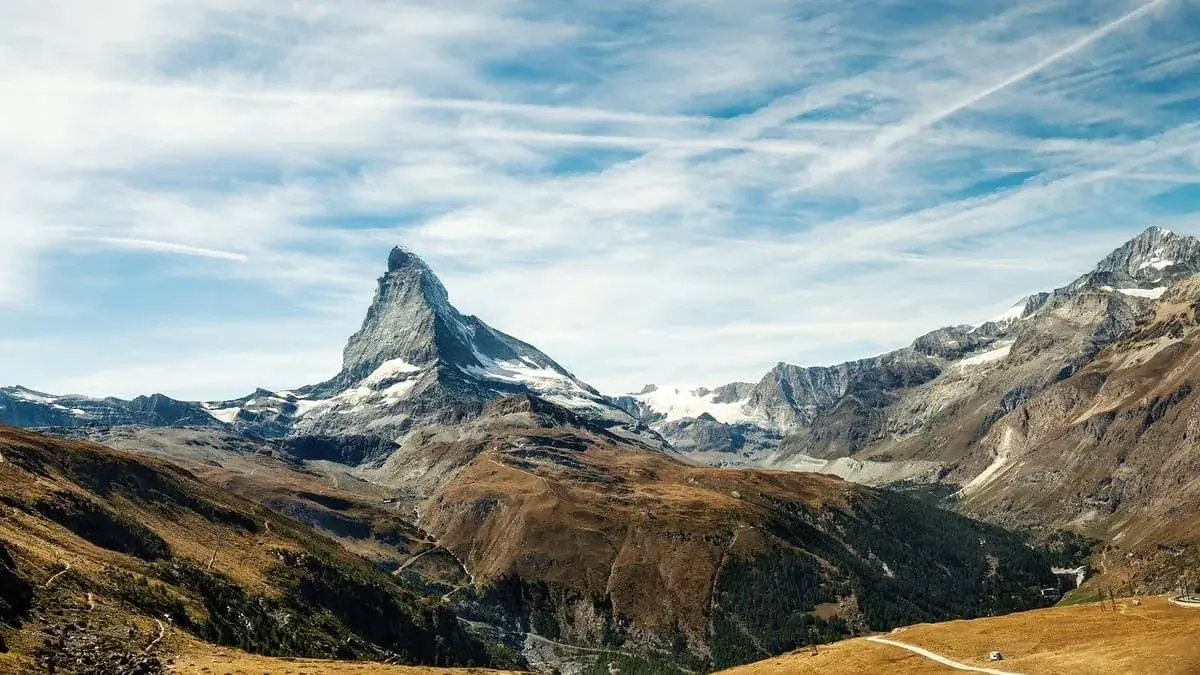
Recent months have seen several Ticinese municipalities invest in tourist infrastructure.
Context
TL;DR
- Ticino municipalities invest in tourist infrastructure.
- Surses buys Cube hotel for CHF 8.9 million.
- Flims, Laax, Falera invest CHF 50 million in Weisse Arena.
- Graubünden invest 12.5% of budget in tourism annually.
Key facts
- Municipality: Surses
- Investment: CHF 8.9 million
- Year: 2026
- Municipalities: Rheinwald, Andeer, Sufers, Ferrera, Muntogna da Schons, Zillis-Reischen, Rongellen
- Investment: CHF 5 million
- Year: 2026
- Municipalities: Flims, Laax, Falera
- Investment: CHF 50 million
- Year: 2026
- Annual Investment: CHF 322 million
Over the past few months, several Ticino municipalities have invested in tourist infrastructure. According to an article by TVS, the municipality of Surses has purchased the Cube hotel in Savognin with a credit of 8.9 million francs. In addition, the municipalities of Rheinwald, Andeer, Sufers, Ferrera, Muntogna da Schons, Zillis-Reischen and Rongellen have accepted a credit of five million francs to renovate the ski lifts. Furthermore, the municipalities of Flims, Laax and Falera have acquired the tourist infrastructure of the Weisse Arena Bergbahnen ski resort with a contribution of 50 million francs. 322 million francs in tourist infrastructure in just a few months. It's worth asking if the Graubünden are witnessing a new trend.
Operational details
Ticino Municipalities Invest in the Tourism Sector: Here Are the Details Public investments in the tourism sector are a widespread phenomenon in the Graubünden. According to SUP GR, approximately 12.5% of the municipalities' budget is invested in tourist infrastructure. This means that around CHF 322 million is invested annually in the sector. The investments are destined for various types of infrastructure, such as ski lifts, cross-country ski trails, and hotel structures.
Analysis of the Data
The following table summarizes public investments in the tourism sector in the Graubünden: | Municipality | Investment | Year | | --- | --- | --- | | Surses | CHF 8.9 million | 2026 | | Rheinwald, Andeer, Sufers, Ferrera, Muntogna da Schons, Zillis-Reischen, and Rongellen | CHF 5 million | 2026 | | Flims, Laax, and Falera | CHF 50 million | 2026 | As can be observed, Graubünden municipalities are increasingly investing in the tourism sector. This is a positive phenomenon that could have a significant impact on the local economy. However, it is essential to note that these investments are financed from the municipalities' budgets, meaning Graubünden citizens might have to pay higher taxes to support these initiatives.
The Most Investing Ticino Municipalities According to SUP GR data, the Graubünden municipalities investing the most in the tourism sector are: Surses, with an investment of CHF 8.9 million in 2026 Rheinwald, Andeer, Sufers, Ferrera, Muntogna da Schons, Zillis-Reischen, and Rongellen, with an investment of CHF 5 million in 2026 * Flims, Laax, and Falera, with an investment of CHF 50 million in 2026 These municipalities are investing in tourist infrastructures such as ski lifts, cross-country ski trails, and hotel structures. This could have a positive impact on the local economy, creating jobs and increasing demand for services.
The Role of Legislation Legal regulations play a crucial role in public investment in the tourism sector. For example, the 2013 Federal Law on the Ticino Alliance established that Graubünden municipalities can invest up to 12.5% of their budget in tourist infrastructure. This legislation has allowed municipalities to invest more in the tourism sector, creating jobs and increasing demand for services.
Operational Checklist To ensure that public investments in the tourism sector are effective, it is important to follow some operational checklists: Environmental Sustainability: Public investments in the tourism sector should be environmentally sustainable. Economic Impact: Public investments in the tourism sector should have a positive impact on the local economy. Citizen Participation: Public investments in the tourism sector should be participatory for Graubünden citizens. Risk Management: Public investments in the tourism sector should be managed to reduce risks.
Comparison of Practical Scenarios Here is a comparison of practical scenarios for public investments in the tourism sector: Scenario 1: Public investments in the tourism sector are financed from the municipalities' budgets. Scenario 2: Public investments in the tourism sector are financed by private sources. This comparison shows that public investments in the tourism sector can have a positive impact on the local economy but can also have a negative impact if not managed sustainably.
Conclusions Public investments in the tourism sector are a widespread phenomenon in the Graubünden. Municipalities are increasingly investing in tourist infrastructures, such as ski lifts, cross-country ski trails, and hotel structures. This could have a positive impact on the local economy, creating jobs and increasing demand for services. However, it is essential to note that these investments are financed from the municipalities' budgets, meaning Graubünden citizens might have to pay higher taxes to support these initiatives. }
Useful tools to protect your net income
To reduce FX leakage, compare CHF-EUR exchange options and banks for cross-border workers.
Key points
Ticino Municipalities Invest in the Tourism Sector: Here Are the Details If you're interested in investing in the tourism sector, there are several options to consider. Firstly, you can invest in ski lift facilities or cross-country ski trails, such as the Arosa-Lenzerheide ski resort, which offers over 225 km of trails and 48 ski lifts. Additionally, you can invest in hotel facilities or other types of tourist infrastructure, such as Lake Lugano, which offers a wide range of nautical and tourist activities.
Steps to Follow
1. Research and Data Analysis: Before investing, it's essential to research and analyze data related to the tourism sector you're interested in. For example, you can consult the Federal Statistical Office (UFS) data to know the trend of tourism in Switzerland. 2. Risk Assessment: It's crucial to assess the risks associated with the investment, such as competition, weather conditions, or economic situation. For example, if you're considering investing in a hotel in Bellinzona, you should evaluate the competition with other hotels in the city and the possibility of climate changes that could affect tourism demand. 3. Infrastructure Selection: Once the risks are assessed, it's essential to choose the suitable infrastructure for your investment. For example, if you're considering investing in a ski lift facility, you should choose a facility that suits your clients' needs and offers good service quality. 4. Project Implementation: Once the infrastructure is chosen, it's essential to implement the project efficiently and quickly. For example, if you're considering investing in a new hotel facility, you should carefully plan the project and ensure you have all necessary permits before starting construction. 5. Monitoring and Management: Finally, it's essential to monitor and manage the infrastructure to guarantee its optimal operation. For example, if you're considering investing in a ski lift facility, you should ensure the facility is well-maintained and provides good service to your clients.
Additional Resources
- Supgiu to calculate public investments in the tourism sector
- Lugano to compare public investments in the tourism sector
- Ticino to assess the risks associated with the investment
Operational Checklist
- Verify the infrastructure's compliance with current regulations
- Evaluate the competition with other hotels or ski lift facilities in the area
- Ensure you have all necessary permits before starting construction
- Carefully plan the project and ensure you have a realistic budget
- Monitor and manage the infrastructure to guarantee its optimal operation
Concrete Examples
- The municipality of Arosa invested 10 million Swiss francs in building a new ski lift facility, which now offers 10 new ski trails.
- The municipality of Lugano invested 5 million Swiss francs in building a new hotel, which now offers 50 new beds.
Regulations and Laws
- The 2002 Federal Tourism Law states that hotels and ski lift facilities must meet certain quality and safety standards.
- The 2015 Ticino Canton Tourism Law states that hotels and ski lift facilities must meet certain quality and safety standards.
Comparisons Between Practical Scenarios
- The Arosa-Lenzerheide ski resort offers 225 km of trails and 48 ski lifts, while the Adelboden ski resort offers 210 km of trails and 35 ski lifts.
- The Lugano hotel offers 50 new beds, while the Bellinzona hotel offers 30 new beds.
Conclusions
Investing in the tourism sector can be an excellent option for those interested in creating a new business or improving an existing one. However, it's essential to carefully evaluate the risks and choose the suitable infrastructure for your investment. Additionally, it's crucial to monitor and manage the infrastructure to guarantee its optimal operation.
Source: tvsvizzera.it
Frequently Asked Questions
- What are the Ticino municipalities that have invested in tourist infrastructure in recent months?
- The Municipality of Surses has invested 8.9 million francs in the hotel Cube in Savognin, while the municipalities of Rheinwald, Andeer, Sufers, Ferrera, Muntogna da Schons, Zillis-Reischen and Rongellen have accepted a credit of five million francs to renew snowmaking facilities. In addition, the municipalities of Flims, Laax and Falera have acquired the tourist infrastructure of the Weisse Arena Bergbahnen ski area with a contribution of CHF 50 million.
- What is the role of the Federal Law on Tourism in Public Investments in the Ticino tourist sector?
- The Federal Law on Tourism provides state contributions to support public investment in tourist infrastructure, thus facilitating projects such as the purchase of the Cube hotel in Savognin or the renewal of snowmaking facilities in various gray municipalities.
- What incentives do you receive a common Ticino to develop tourist infrastructure through federal law?
- The Federal Law on Tourism allows the Ticino municipalities to receive state contributions up to 12.5% of their budget for investments in tourist infrastructure, promoting the development and improvement of local tourist services.
- How do public investments affect tourism on job creation in Ticino?
- Public investments, such as renewal of hotel facilities and facilities, stimulate the local economy by creating new jobs and increasing demand for services in the Ticino tourist sector.
- What are the main types of tourist infrastructure financed by the Ticino municipalities?
- Ticino's municipalities invest mainly in ski lifts, cross-country skiing, hotel facilities and support infrastructure to improve the tourist offer and hospitality.