One in three Ticinese refuels in Italy
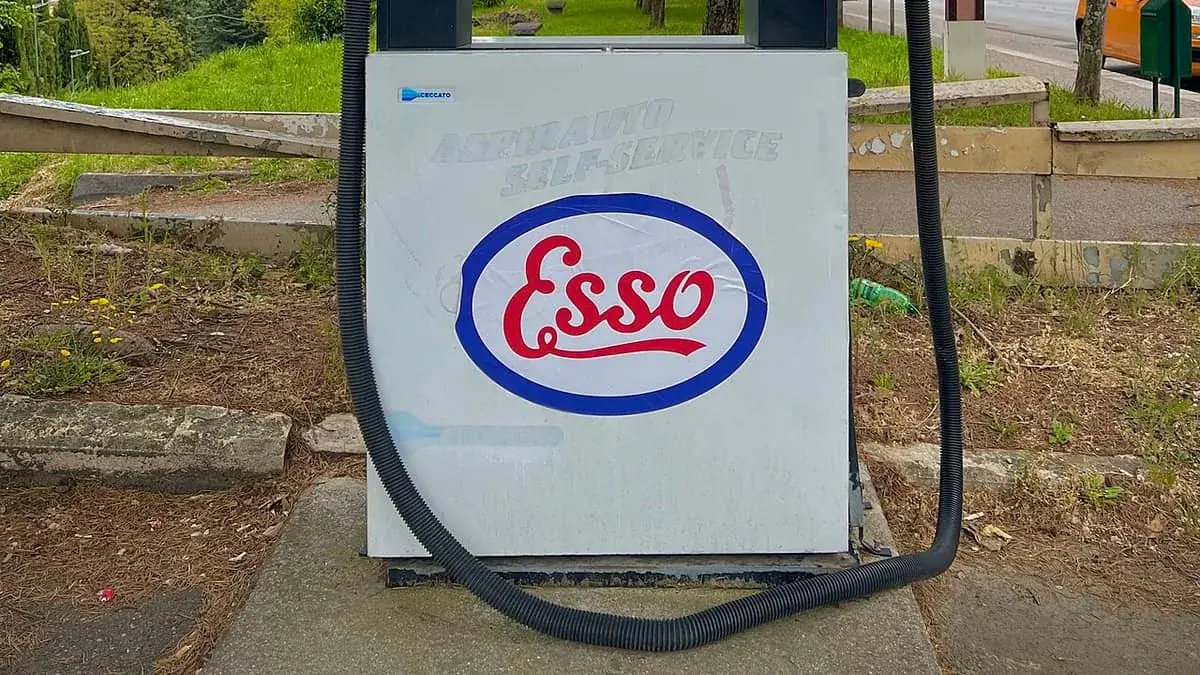
The rise in fuel prices in Italy is pushing cross-border workers to refuel in Ticino. Here's what changes.
Context
In brief
- Gasoline price in Italy soared to 1.90 euros
- One in three Ticinese refuels across the border
- Expiry of Italian measure: May 22nd
Key facts
- What: Increase in gasoline price in Italy
- When: May 6, 2026
- Where: Italy and Ticino
- Who: Ticinese cross-border workers
- Amount: From 1.70 to 1.90 euros per liter
The sudden 20-cent increase per liter in the price of gasoline in Italy has had immediate repercussions in Ticino. The cost at the pump went from around 1.70 euros to 1.90 euros in just a few hours, following decisions by the Italian Council of Ministers. The extension of the tax cut on fuels was confirmed until May 22, but with a clear distinction between diesel and gasoline. While the tax discount for diesel remained unchanged at 20 cents per liter, for gasoline the reduction was cut to just 5 cents.
Effects on the border
The move has had immediate repercussions in Ticino, partially reducing the heavy competitive disadvantage that suffocates Ticinese gas stations. Boris Martinoni, CEO of ECSA Energy and spokesperson for the Ticinese Association of Service Stations (ATSS), confirmed that the Italian decision has rebalanced, at least partially, the price gap across the border, at least as far as gasoline is concerned. Currently, the price of gasoline has stabilized both in Ticino and in the nearby Peninsula around 1.90 euros.
Martinoni, however, points out that, despite the progress, the obstacle of currency exchange remains: with the strong franc, refueling in Italy is still slightly more convenient at the same nominal price.
Significant losses for the sector
Despite the partial realignment, the situation for Ticinese distributors remains critical. Martinoni emphasizes how the current minimal gap is not enough to generate new queues at Swiss gas stations, especially due to regulatory uncertainty. The Italian measure expires on May 22, and the lack of a long-term vision prevents Ticinese companies from planning effective containment measures.
The numbers describe a deep crisis: a 30% to 40% drop in volumes over the last two months, loss of customers with one in three choosing to refuel across the border, and an occupational impact with less work for truck drivers and gas station staff.
Security of supplies
Security of supplies and oil prices
Despite the recent alarm raised by the Secretary General of Suissenégoce about possible global fuel shortages, Ticino seems safe. Martinoni reassures: 'For the entire month of May, the product is assured', also thanks to the three mandatory stock averages of the Confederation. The Ticinese supply system is indeed diversified: fuel arrives both from the south (via Genoa and Marseille) and from Northern Europe. This dual direction, although entailing higher logistical costs, guarantees strategic resilience in case of blockages in one of the channels.
Operational details
Practical Analysis
The rise in gasoline prices in Italy has had a significant impact on cross-border workers in Ticino. With the price of gasoline stabilized at 1.90 euros both in Italy and Ticino, many cross-border workers are considering whether to refuel in Italy or Switzerland. However, the currency exchange remains an obstacle, making refueling in Italy still slightly more convenient.
Comparison between Italy and Ticino
| Parameter | Italy | Ticino |
|---|---|---|
| Gasoline price | 1.90 euros per liter | 1.90 euros per liter |
| Tax discount | 5 cents per liter | Not specified |
| Convenience | Slightly more convenient due to currency exchange | Slightly less convenient due to currency exchange |
Future Scenarios
With the expiration of the Italian measure on May 22, many cross-border workers are waiting to see if there will be further changes in gasoline prices. The lack of a long-term vision makes it difficult for Ticino distributors to plan effective containment measures. This could lead to further loss of customers and a negative impact on employment.
Employment Impact
The employment impact is already evident with less work for truck drivers and gas station staff. With a drop in volumes between 30% and 40% in the last two months, many workers in the sector could find themselves in difficulty. The situation could worsen if there are no long-term regulatory interventions.
Useful tools to protect your net income
To reduce FX leakage, compare CHF-EUR exchange options and banks for cross-border workers.
Key points
Concrete actions
For Ticino cross-border workers who wish to refuel in Ticino, it's important to consider the following steps:
1. Compare prices: Check the prices of gasoline in both Italy and Ticino to ensure you get the best possible price. 2. Consider the currency exchange: Take into account the exchange rate between euros and Swiss francs to determine the convenience of refueling in Italy. 3. Plan your refueling: If you decide to refuel in Ticino, plan your trips to avoid queues and ensure you find available fuel. 4. Monitor regulations: Keep an eye on Italian and Swiss regulations to stay updated on any changes in gasoline prices.
Useful tools
To help you plan your refueling, you can use the convenience calculator available on our website. This tool will help you compare gasoline prices and determine the convenience of refueling in Italy or Ticino.
Conclusion
The rise in gasoline prices in Italy has had a significant impact on Ticino cross-border workers. With the price of gasoline stabilized at 1.90 euros in both Italy and Ticino, it's important to carefully consider the costs and benefits of refueling in both locations. Use the available tools to plan your refueling and monitor regulations to always stay updated.
Source: comozero.it
Frequently Asked Questions
- What is the current price of gasoline in Italy and Ticino?
- The price of gasoline is currently stabilized at 1.90 euros per liter in both Italy and Ticino. However, the currency exchange rate makes refueling in Italy slightly more convenient.
- What is the expiration date of the Italian measure on gasoline prices?
- The Italian measure on gasoline prices expires on May 22, 2026. The lack of a long-term vision makes it difficult for Ticino distributors to plan effective containment measures.
- What is the employment impact of the increase in gasoline prices?
- The increase in gasoline prices has led to a 30% to 40% drop in volumes over the past two months, with less work for truck drivers and gas station personnel. This could worsen if there are no long-term regulatory interventions.