Drought: duty-free maize imports for Ticino farmers (cross-border guide)
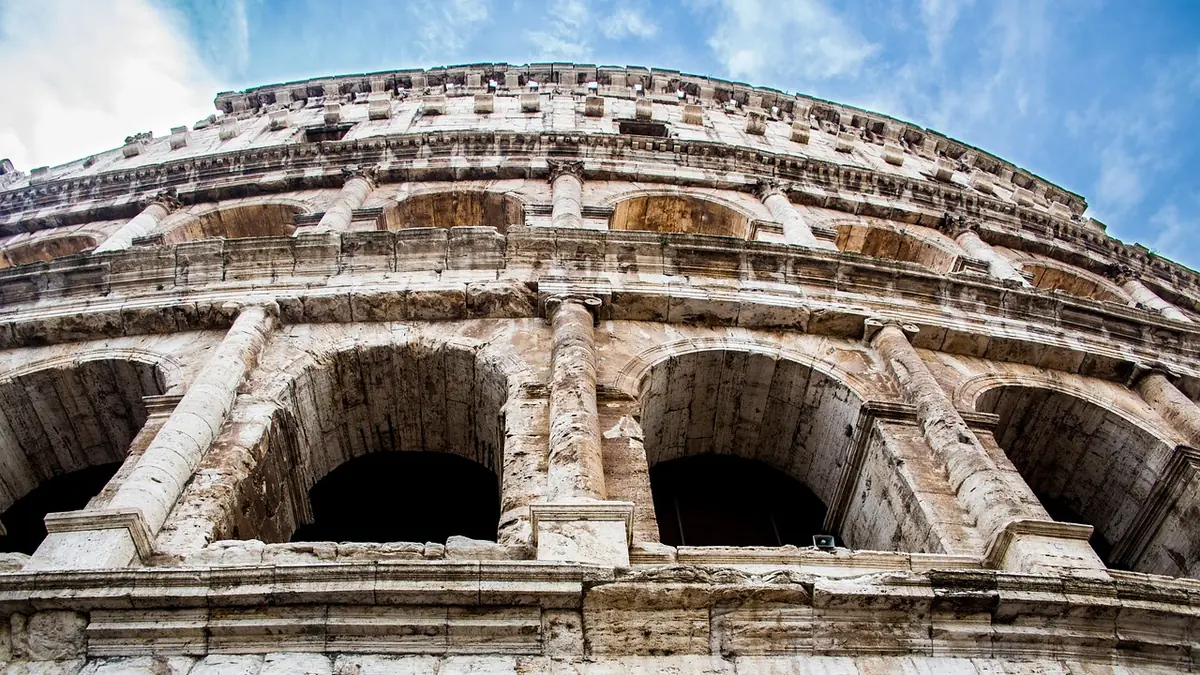
Extraordinary measure of the DEFR until 31 October 2026 to guarantee fodder to farmers affected by the crisis. Imports of maize up to 60% dry matter duty free.
Context
Drought: duty-free maize imports for Ticino farmers
- Free maize imports until 31 October 2026
- DEFR zero duties from 15 September to 31 October 2026
- UFAG has abolished duties on hay from 1 August 2026
- Maximum dry matter: 60% for imports
The drought affected hay production in Switzerland, forcing the DEFR to intervene. From 15 September to 31 October 2026 it will be possible to import fresh or silage maize intended for animals with dry matter ≤60% without paying duties. The Federal Office for Agriculture (FOAG) has already eliminated duties on hay and grass silage as of 1 August 2026 under the ordinary legislation. This extraordinary measure aims to ensure the continuity of the Ticino agricultural sector, with particular attention to the refills that have suffered reduced yields due to adverse weather conditions.
The decision comes after a favourable spring followed by a period of drought and high temperatures that have negatively affected fodder production. Recent rainfall, although it has occurred, has not completely recovered the deficiencies. Ticino farmers, already struggling with rising costs, will be able to access this temporary exception to secure quality feed without customs charges. Imports must be declared at customs offices (www.bazg.admin.ch) and request general permission from the organization
Operational details
Practical analysis: Drought and duty-free maize imports for Ticino farmers
The measure benefits in particular Ticino-Italian frontier workers who use the Italian territory for breeding. The cost of transport from Brogeda (CH) to Valle San Giovanni (IT) could now be more advantageous thanks to the reduction of storage costs. Let's compare the previous and current situation:
| Period | Duties applied | Average cost ton |
|---|---|---|
| Before 1/8/2026 | Standard | 180-220 CHF |
| From 15/9/2026 | 0 CHF | 120-150 CHF (transport only) |
Consider the case of a farmer who imports 10 tons of dry corn per month, with a dry matter content of 90%. Monthly savings of CHF 600-900, for a total of CHF 7,200-10,800 per year. However, the 60% dry matter limit could penalize those who need drier fodder. According to UFAG, this threshold guarantees nutritional quality for animals.
Ticino restaurants, already struggling due to energy costs and lack of labour, could consider outsourcing part of their production to Italy, where the drought had a different impact. For example, the municipality of Lugano could import 500 tonnes of dried maize per year directly from the municipality of Piacenza, Italy, at a cost of CHF 60,000. This could reduce dependence on local producers and improve the
Useful tools to protect your net income
To reduce FX leakage, compare CHF-EUR exchange options and banks for cross-border workers.
Key points
Drought: duty-free maize imports for Ticino farmers
The nuisance that has hit eastern Switzerland has led to a significant shortage of grain for livestock. The Ticino government has responded with an emergency measure offering a 100% discount on customs duties for importing grain for animals into Ticino. This measure will particularly benefit Ticino farmers, who will be able to import maize without paying any customs costs.
The procedure to take advantage of this opportunity is relatively simple and involves a few key steps.
1. Customs declaration
To benefit from this measure, Ticino breeders must complete form C73, available on the website of the Customs and Statistical Office of the Confederation (www.bazg.admin.ch). This form must be completed before the cargo is delivered to the customs terminal.
2. General permission
Once the C73 form has been completed, breeders must apply for general permission at the organization Schwanengasse 5-7, Bern (www.reservesuisse.ch). This permit will require further documentation and will be issued after a prior check.
3. Documentation
To apply for the general permit, breeders must attach a commercial invoice, a certificate of origin and a dry matter analysis. This information will help ensure that imported wheat is of high quality and compliant with regulations
Evaluating a Ticino job offer? Simulate your net payslip: enter gross salary, marital status and municipality for a detailed breakdown.
Source: tio.ch
Frequently Asked Questions
- How to declare maize imports?
- Fill in the C73 form on www.bazg.admin.ch and submit the documentation to the relevant customs office. Do not forget to apply for general permission to the organization Schwanengasse 5-7, Bern.
- Does the measure also apply to Italian fodder?
- Yes, as long as it complies with the 60% dry matter limit. Imports must clearly be destined for animal feed, not for industrial processing.
- Is there a fee for permission?
- General permission is free of charge, but requires the submission of complete documentation. See www.reservesuisse.ch for the detailed form.
Related articles
- All articles: Salaries
- La frontiera fiscale tra Italia e Svizzera nella circolazione delle opere d’arte: IVA all’importazione, confisca e proporzionalità dopo Corte cost. n. 93/2025 e Cass. civ., Sez. Unite, ord. n. 24764/2026
- Suini in Svizzera: compenso per allevatori per ridurre produzione
- Svizzera a credito energetico: cosa cambia per i frontalieri
- Crans Montana: ore straordinarie non pagate ai soccorritori
- Permesso G in carta di credito in Ticino dal 1° ottobre