Railway: progress in infrastructure expansion
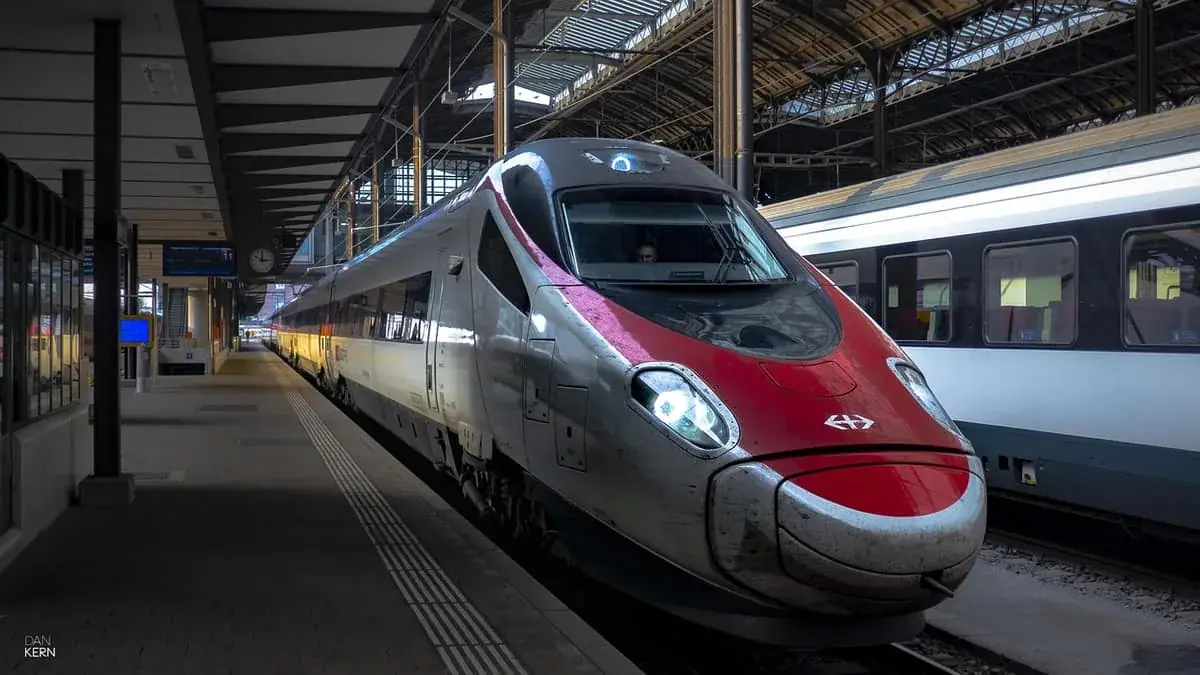
300 projects underway to expand the Swiss railway network by 2035, with work ongoing in Lausanne and Fribourg.
Context
In brief
- 300 projects underway for railway expansion
- Work in progress in Lausanne and Fribourg
- Priorities redefined for financial reasons
Key facts
- What: Expansion of the Swiss railway network
- When: Projects underway for the 2025 and 2035 phases
- Where: Switzerland, with a focus on Lausanne, Fribourg, Basel, and Eastern Switzerland
- Who: Federal Office of Transport (FOT) and SBB
- Amount: Not yet specified
Last year, Swiss companies achieved important milestones in the expansion of the railway network. This is what emerges from the latest report on the state of the works published today by the Federal Office of Transport (FOT). Currently, there are around 300 projects in the design or implementation phase as part of the 2025 and 2035 expansion phases and the future infrastructure development program.
In a statement, the FOT lists a series of construction sites. The largest project in the expansion program concerns the Lausanne station, where SBB started work in 2025. At Fribourg station, the platforms have been completed. SBB has put into service on schedule the first major infrastructure measure of the 2035 expansion phase, which allows for an intensified offer in the Laufental (BL).
Impact on cross-border commuters
The expansion of the Swiss railway network will have a significant impact on cross-border commuters who cross the Italian-Swiss border daily to go to work. With the intensification of railway services, travel times between major Swiss cities and Italian border areas could be reduced, improving the quality of life of cross-border workers.
In particular, projects in the Basel area and Eastern Switzerland, which allow for a continuous half-hourly frequency for the IC Zurich-Chur, represent an important step forward for cross-border workers in these regions. These infrastructure improvements could encourage greater use of public transport, reducing vehicular traffic and pollution along major roads.
Comparison with the previous situation
Before the start of these projects, cross-border commuters often had to rely on private transport or less frequent railway services, with longer and less predictable travel times. The expansion of the railway network and the intensification of services represent a tangible improvement over the previous situation, offering cross-border workers more efficient and sustainable travel options.
What to do to take advantage of the new services
To take advantage of the new railway services, cross-border commuters can start planning their trips taking into account the new frequencies and updated schedules. It is advisable to regularly consult the websites of SBB and local operators to stay updated on any changes or improvements in services.
Furthermore, cross-border commuters can consider purchasing railway subscriptions that offer discounted rates for frequent travel. These subscriptions can represent a convenient investment for those who regularly use the train to commute to work, reducing transport costs in the long term.
Next steps
The Federal Council intends to gradually develop the railway network and, for financial reasons, the priorities of the projects must be redefined. Based on an expert opinion from the Federal Institute of Technology in Zurich and the analyses of the competent Federal Offices, on January 28 last year the Government set the key points in this regard and the project to be put out for consultation is being elaborated, the adoption of which is planned by the beginning of the summer holidays.
For cross-border commuters, these developments represent an opportunity to improve their quality of life and reduce travel times. It is important to stay updated on the progress of the projects and the new opportunities offered by the expansion of the Swiss railway network.
Operational details
Practical analysis: implications for cross-border workers
The expansion of the Swiss railway network will have a significant impact on cross-border workers who daily cross the Italian-Swiss border to go to work. With the intensification of rail services, travel times between major Swiss cities and Italian border areas could be reduced, improving the quality of life for cross-border workers.
Comparison with the previous situation
Before the start of these projects, cross-border workers often had to rely on private transport or less frequent rail services, with longer and less predictable travel times. The expansion of the railway network and the intensification of services represent a tangible improvement over the previous situation, offering cross-border workers more efficient and sustainable travel options.
What to do to take advantage of the new services
To take advantage of the new rail services, cross-border workers can start planning their trips taking into account the new frequencies and updated schedules. It is advisable to regularly consult the websites of the FFS and local operators to stay updated on any changes or improvements in services.
In addition, cross-border workers can consider purchasing rail passes that offer discounted rates for frequent trips. These passes can represent a convenient investment for those who regularly use the train to commute to work, reducing transportation costs in the long run.
Next steps
The Federal Council intends to gradually develop the railway network and, for financial reasons, the priorities of the projects must be redefined. Based on an expert opinion from the Swiss Federal Institute of Technology in Zurich and analyses by the competent federal offices, on January 28 last year the Government set the key points in this regard and the project to be put out for consultation is being elaborated, the adoption of which is planned by the beginning of the summer holidays.
For cross-border workers, these developments represent an opportunity to improve their quality of life and reduce travel times. It is important to stay updated on the progress of the projects and the new opportunities offered by the expansion of the Swiss railway network.
Recommended tools
For an updated estimate, use the net salary calculator and the CHF-EUR exchange comparator.
Key points
Action: what to do concretely
To take advantage of the new rail services, cross-border workers can follow these steps:
1. Plan your trips: Consult the updated schedules of the FFS and local operators to plan your trips efficiently. 2. Buy subscriptions: Consider purchasing rail subscriptions that offer discounted rates for frequent travel. 3. Stay updated: Monitor the websites of the FFS and local operators to stay informed about any changes or improvements in the services. 4. Use public transport: Take advantage of the new rail services to reduce the use of private transport and contribute to environmental sustainability.
Useful tools
For more information and to plan your trips, cross-border workers can use the following tools:
- Salary calculator
- Permit comparator
- Tax calendar
These tools can help cross-border workers manage their trips better and stay updated on the latest news regarding the Swiss rail network.
Source: tio.ch
Frequently Asked Questions
- What are the main projects currently underway for the expansion of the Swiss railway network?
- The main projects currently underway include the expansion of the Lausanne station, the construction of platforms at the Fribourg station, and the intensification of services in the Basel area and Eastern Switzerland.
- How can I take advantage of the new railway services?
- You can take advantage of the new railway services by planning your trips based on the updated schedules, purchasing railway subscriptions, and staying informed about any changes or improvements in the services.
- What are the next steps for the expansion of the Swiss railway network?
- The Federal Council is redefining the priorities of the projects and is drafting a project to be put out for consultation, the adoption of which is expected by the beginning of the summer holidays.
Related articles
- All articles: Transport and traffic
- Luganese Tram-Treno: a ottobre i primi cantieri, la rete sarà operativa nel 2035
- Losanna introduce parcheggi sicuri per e-bike
- Lavori sulla rete ferroviaria italiana, ecco cosa cambia
- Corso Farmacia Insubria a Como: al via con tirocini in Svizzera
- Corso per pastori in Ticino