Course in Pharmacy in Como: internships in the territory and Switzerland
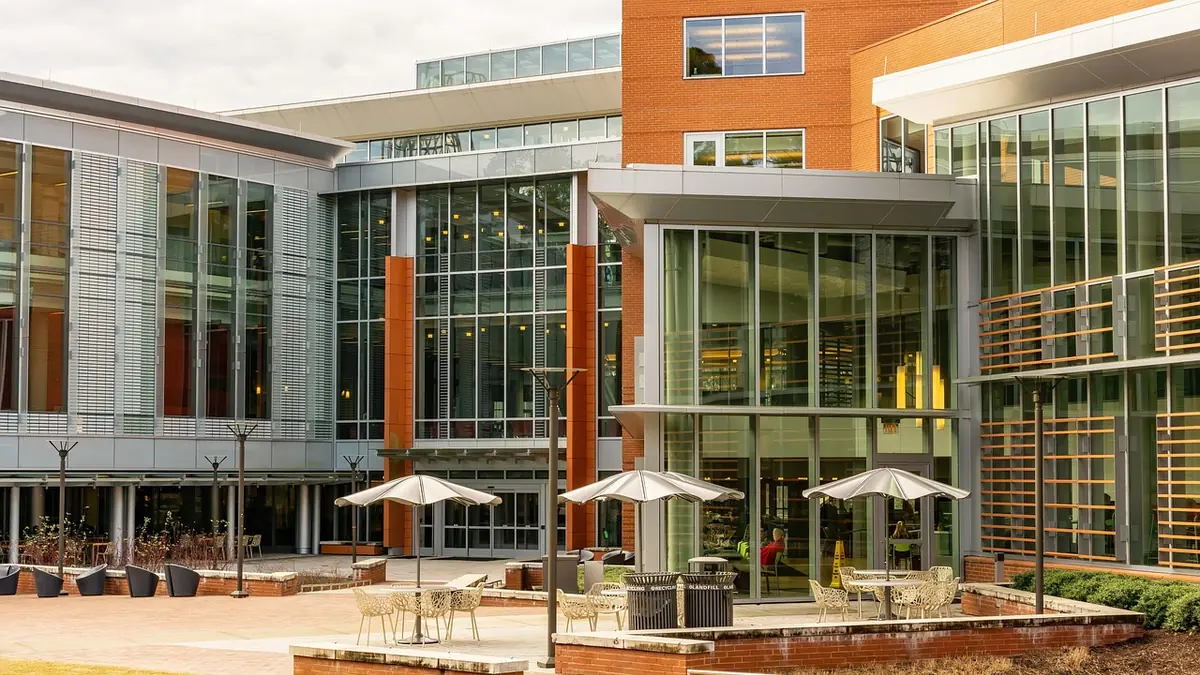
The new master's degree course in Pharmacy at Insubria of Como started with forty-seven students and internships also in Switzerland.
Context
In brief
- First day for the new Pharmacy course at Insubria
- Lectures at the Polo scientifico in via Valleggio, Como
- Forty-seven students attending
- Local and Swiss pharmacies involved
Key facts
- Start date: September 22
- Main venue: Polo scientifico in Como
- Number of students: 47
- Course duration: Five years
- Degree class: LM-13
The first lecture of the new single-cycle master's degree course in Pharmacy at the University of Insubria took place on Tuesday, September 22, in lecture hall VA2 of the Polo scientifico in via Valleggio, Como, starting with forty-seven students in the classroom. The new class was welcomed by the Deputy Rector of the University of Insubria Umberto Piarulli, the Director of the Department of Science and High Technology Michela Prest, and the course coordinator, Professor Simona Galli, who addressed the students with a welcome greeting and introduced the educational path that will accompany them over the next five years. Also present were Professor Luca Nardo, who held the first lecture of the course, and researchers Orlando Santoro and Nicolò Baranzini. Professors Tiziana Rubino and Marina Protasoni, both course lecturers, also spoke via video link from Varese. Deputy Rector Umberto Piarulli explained that the course was built by listening to the local community, pharmacies, and the pharmaceutical industry, with the aim of offering a useful and innovative path, wishing the students to approach it with passion, commitment, and dialogue. Professor Michela Prest shared that the creation of this course was a completely new and highly engaging experience, allowing her to get to know the world of pharmacy up close and the many professionals revolving around it, from community pharmacies to industry, from communication to research. Professor Simona Galli drew attention to the transition from school to university, emphasizing that the study method changes profoundly and requires autonomy, organization, and responsibility in time management.
Course structure and locations
The course belongs to the LM-13 class for Pharmacy and Industrial Pharmacy, has open access, and lasts five years. The qualification enables the exercise of the profession of pharmacist pursuant to Interministerial Decree 635/2022. The curriculum was jointly designed by the Department of Science and High Technology, directed by Michela Prest, and the Department of Biotechnology and Life Sciences, directed by Flavia Marinelli. The main location is the Polo scientifico in Como, where frontal lectures and practical laboratory activities in the chemical and pharmacological fields take place. Laboratory activities in the biological area will also be organized at the Busto Arsizio university campus, coordinated by Professor Tiziana Rubino. The curriculum integrates lectures and practical exercises and provides skills in the chemical, biological, biochemical, biomedical, pharmaceutical, pharmacological, toxicological, legislative, and deontological sectors. The goal is to train professionals capable of addressing the evolution of the pharmacist's role, which is increasingly integrated into the health system and a point of reference for citizens and health professionals, as well as being a drug expert. Training also looks at career opportunities in pharmaceutical industries, public entities, research institutes, and regulatory bodies, with skills ranging from research and development to production, from quality control to drug dispensing and pharmacovigilance.
Operational details
Advanced skills and artificial intelligence
Particular attention is also dedicated to the applications of artificial intelligence in clinical project management, resource allocation, pharmacovigilance, and drug development, with the aim of providing tools capable of supporting data-driven decisions. The new course relies on qualified faculty, laboratories, and national and international scientific collaborations. Industry stakeholders also contributed to its design, including Orders of Pharmacists, Federfarma, representatives of specialization schools and PhD programs, and pharmaceutical companies, who are called upon to maintain an active role in the educational path. This network of collaborations allows students to acquire training that directly responds to the current needs of the job market, taking into account the technological and scientific transformations underway in the healthcare sector.
Cross-border integration and practical internships
A key element for the region is the involvement of pharmacies in the local area and nearby Switzerland, which will offer students internship opportunities and direct engagement with the professional reality. This opportunity allows future pharmacists to experience different healthcare systems and broaden their career prospects in a particularly dynamic border geographic context. For those looking at job opportunities in the Insubric area, having access to educational practical experiences that include the Swiss reality represents a significant added value in building their professional profile. Collaborations with Swiss facilities offer a privileged window into the operating procedures, regulations, and management specifics of cross-border pharmacies, preparing graduates to navigate competently in a broad and integrated job market. To learn more about professional opportunities and employment integration methods in the region, you can consult the dedicated section on job offers.
Recommended tools
For an updated estimate, use the net salary calculator and the CHF-EUR exchange comparator.
Key points
Access mode and student support
The course of study requires a strong commitment right from the first months, as highlighted by the professors during the first lecture. To best cope with the transition from high school to university, the University provides tutoring and continuous support tools. Constant dialogue between students and faculty represents the fundamental pillar for overcoming difficulties and successfully managing the five-year study load. Free access to the course allows all interested parties who meet the requirements to enroll and embark on this highly qualifying educational path, which combines traditional pharmacy skills with the new frontiers of scientific research, technology, and digital health data management.
Career prospects and employment opportunities
The training offered by the University of Insubria opens up multiple career paths, not limited solely to the management of the community pharmacy. Graduates will be able to aim for prominent roles in pharmaceutical industries, public bodies, research institutes, and regulatory agencies, operating in the sectors of production, quality control, and pharmacovigilance. The synergy between the university, the local area, and Swiss realities guarantees a solid bridge between the academic learning phase and entry into the job world, offering young professionals the tools necessary to stand out in a constantly evolving sector. If you wish to plan your professional path and verify the economic sustainability of your cross-border career, you can use the salary calculator.
Source: comozero.it
Frequently Asked Questions
- When did the new degree programme in Pharmacy in Como start?
- The first lesson of the new single-cycle master's degree course in Pharmacy at the University of Insubria took place on Tuesday 22 September in classroom VA2 of the Science Centre in Via Valleggio in Como. The training course involves the participation of forty-seven students in the classroom and is structured over a duration of five years.
- What are the locations and characteristics of the course of study?
- The course belongs to the undergraduate class LM-13 Pharmacy and Industrial Pharmacy, it is free and enabling to practice the profession pursuant to Interministerial Decree 635/2022. The main venue is the Scientific Centre in Como for lectures and chemical and pharmacological laboratories, while the biological laboratory activities are organised in the university centre in Busto Arsizio.
- What are cross-border traineeships in Switzerland?
- The course of study includes the involvement of pharmacies in the territory and neighbouring Switzerland, which will offer students opportunities for internships and direct comparison with the professional reality. This opportunity allows future pharmacists to get in touch with different health systems, regulations and specific foreign management, representing an added value for the labour market in the underserved area.
Related articles
- Regione Lombardia finanzia l'Università dell'Insubria con 4,4 milioni per la ricerca
- Terremoto in Galenica: 170 posti a rischio. Cosa significa per il Ticino?
- Manager all’Insubria: Rasizza e Battioni in cattedra il 4 maggio
- Luigi Bignami all'Insubria: l'arte di comunicare la scienza
- Università Insubria: 4,4 milioni per ricerca a Como e Varese