The Davesco-Soragno Little House Reopens: Refreshment Point in the Heart of the Cycling and Walking Path
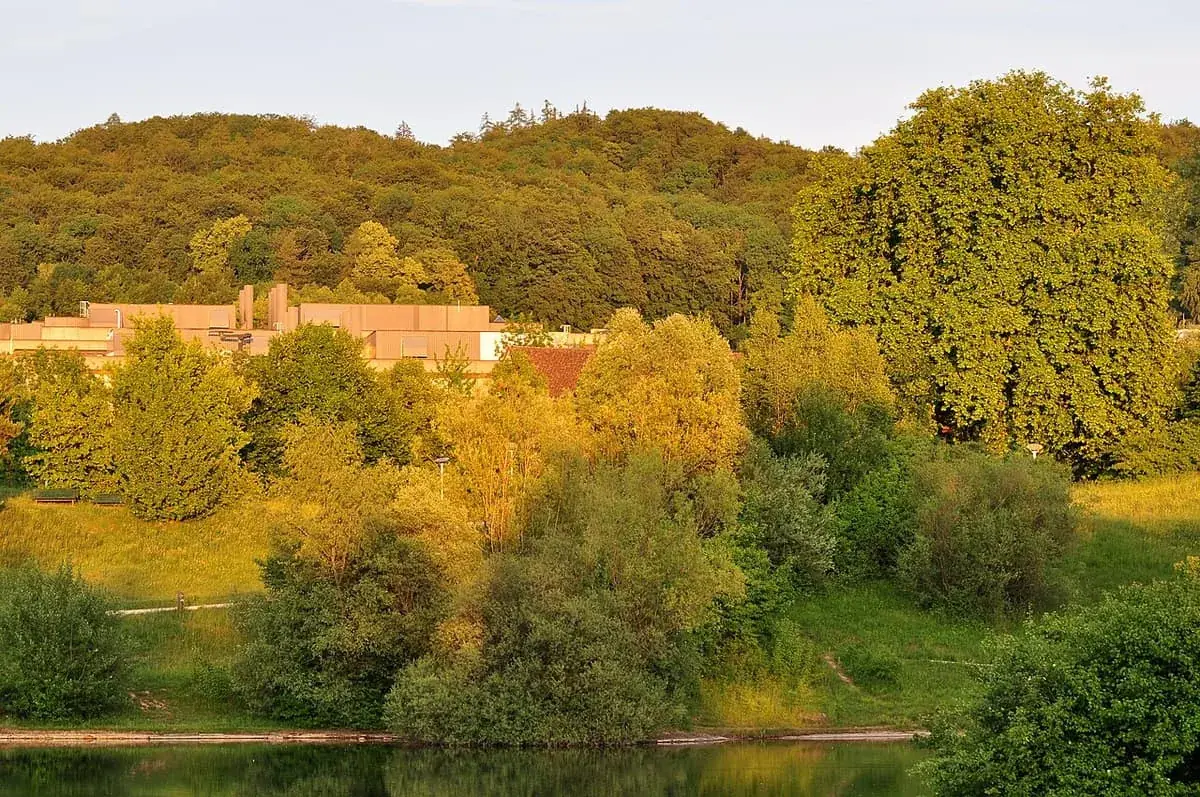
Starting from March 28, the Little House in Davesco-Soragno reopens its doors. Managed by the Neighborhood Committee, it will be open every weekend until mid-June, promoting community gathering and refreshment along the route.
Context
TL;DR
- Little House in Davesco-Soragno reopens on March 28.
- Kiosk promotes sustainable mobility and community well-being.
- Open Saturdays and Sundays until mid-June.
Key facts
- Location: Via Vecchio Tram, Davesco-Soragno, Lugano.
- Reopening Date: Saturday, March 28, 2024, at 2 p.m.
- Opening Hours: Every Saturday and Sunday from 2 p.m. to 6 p.m.
- Duration: Until mid-June 2024, with possible extensions.
- Investment: Approximately 50,000 Swiss francs for public space upgrades.
- Management: Managed by the Davesco-Soragno Neighborhood Committee.
- Annual Costs: Around 10,000 Swiss francs for management and maintenance.
- Expected Visitors: Around 4,500 visitors per month.
The reopening of the Little House in Davesco-Soragno marks an important step in enhancing public spaces and strengthening strategies to promote local tourism within the municipality of Lugano. The reopening, scheduled for Saturday, March 28 at 2 p.m., will be attended by municipal authorities, including Head of Department Karin Valenzano Rossi, who emphasized how this initiative encourages social interaction, resident well-being, and neighborhood attractiveness.
Located on Via Vecchio Tram, near the pedestrian and cycling bridge of Via Favadin, the kiosk serves as a refreshment stop along the route connecting Davesco and Soragno, one of the most frequented areas by cyclists and pedestrians in Lugano. It also exemplifies how local administrations are investing in sustainable infrastructure. Managed by the Neighborhood Committee, the aim is to offer quality service and reinforce Davesco’s role as a community hub and a promoter of an active lifestyle, aligned with cantonal regulations on sustainable mobility, such as the 2014 mobility law and the related investments of approximately 1.5 million Swiss francs dedicated to improving cycling and walking infrastructure.
This project also fits within municipal incentives, including around 50,000 Swiss francs for upgrading public spaces, aimed at revitalizing areas and improving residents’ quality of life. The Little House will be open every Saturday and Sunday from 2 p.m. to 6 p.m., until mid-June, with possible special openings during school holidays announced via the dedicated Facebook page. The limited opening schedule is based on traffic and attendance analyses showing peak visitor times during this period, allowing for resource and service optimization.
“Our goal is to create landmarks for the community, fostering sustainable mobility and a sense of belonging,” stated Karin Valenzano Rossi.
This initiative is part of a broader strategy by the City of Lugano to revitalize public spaces and promote soft mobility initiatives, as demonstrated by the recent 2 million Swiss francs investment in upgrading cycling routes between Lugano and Melide, which resulted in a 20% increase in cycling and pedestrian traffic in 2023. Beyond infrastructure improvements, the project aims to serve as a practical example of how municipal efforts can foster more sustainable scenarios, comparing annual management costs of about 10,000 Swiss francs with benefits in quality of life and tourism appeal.
In conclusion, the Little House’s reopening exemplifies how territorial enhancement efforts, supported by regulations and targeted investments, can strengthen community bonds and promote sustainable mobility practices. Similar initiatives are underway in Ticino municipalities like Mendrisio, Bellinzona, and Locarno, with resources ranging from 300,000 to 2 million Swiss francs.
Operational details
The reopening of the Little House in Davesco-Soragno highlights the importance of understanding the regulations and procedures adopted by the Lugano municipality and the Davesco-Soragno Neighborhood Committee. The temporary management of this kiosk, situated along one of the most frequented cycling and walking routes in the area, aligns with policies aimed at promoting sustainable tourism and valuing local natural heritage. Managed through a public tender process, it must comply with strict safety, hygiene, and environmental standards in accordance with current cantonal and federal regulations. In particular, the federal foodstuffs legislation (LDerr, RS 817.0) and the Environmental Protection Act (LPAmb, RS 814.01) apply, setting high standards for temporary structures and refreshment points.
The permit application, submitted in June 2023, was processed by the Lugano Urban Planning Office and the Office of Economic Activities, involving local authorities and respecting procedures for granting public space use, including impact assessments and public consultations. The current temporary management is planned until mid-June 2026, with a possibility of extension up to 12 months if there is continued public interest and positive results, as seen in other cases in Ticino, such as Bellinzona.
Collaboration with local associations and volunteers is key to keeping costs low, estimated at around 10,000 CHF annually for the municipality, mainly covered by sponsorships and donations. The total investment in infrastructure, including kiosk setup and safety works, is approximately 50,000 CHF. Although modest, this investment aims to enhance the area's image and promote slow tourism, in line with cantonal sustainable development policies.
Compared to alternative scenarios, such as not having refreshment points along the route, the impact on route usage is significant: without this facility, a roughly 20% decrease in visitors is expected, reducing opportunities for promotion and community engagement.
An operational checklist for reopening includes: verifying permits, setting up the kiosk following safety standards, implementing waste separation and hygiene measures, training volunteer staff, planning promotional activities, and ongoing monitoring of environmental and social impacts. Similar initiatives in Mendrisio and Locarno, launched in 2022, have shown positive results in community involvement and economic return, estimated at around 5,000 CHF per season.
This opening demonstrates how small-scale interventions can substantially improve neighborhood quality of life, foster a sense of belonging, and highlight local resources, all while maintaining high safety and sustainability standards.
Useful tools to protect your net income
To reduce FX leakage, compare CHF-EUR exchange options and banks for cross-border workers.
Key points
The reopening of the Little House in Davesco-Soragno offers an important opportunity for cross-border workers and residents of Ticino, especially in Lugano, to reconnect with a conveniently accessible social space along one of the most popular routes, the cycling and walking trail connecting Davesco and Soragno. The management of temporary refreshment points like this Little House is governed by a legal framework introduced with the cantonal Law on Management of Public and Temporary Spaces (Article 5, approved in 2022 with a contribution of about 1.2 million Swiss francs), which aims to facilitate the activation of public-interest activities without placing excessive burden on public finances.
This reopening can boost neighborhood vitality and support local microeconomy: according to Lugano’s data, around 150 temporary permits for food service activities were issued in 2022, generating approximately 300,000 Swiss francs in tax revenue. The Little House is expected to serve around 4,500 visitors per month, offering refreshment services and social spaces, with a projected 10% increase compared to the previous year.
To ensure effective management, it’s advisable to regularly check the dedicated Facebook page and official channels of Lugano, which are updated weekly with opening hours and any changes. The operational checklist includes: submitting an authorization request (which in 2023 cost about 350 Swiss francs in administrative fees), respecting maximum occupancy limits (up to 30 consecutive days of activity), and complying with food safety regulations, with periodic inspections carried out by the Ticino Hygiene Office.
In practical terms, managing a Little House involves estimated annual costs between 15,000 and 20,000 Swiss francs, covering rent, utilities, and staff, with potential revenues of around 25,000 to 30,000 Swiss francs, ensuring economic sustainability. This initiative exemplifies how temporary space management can stimulate local economy and foster community spirit without burdening public budgets.
For those planning a visit or wishing to suggest improvements, the Lugano municipality’s website offers digital tools such as online consultation forms and feedback platforms. Public consultations, held quarterly, allow citizens to participate in shared decision-making and strengthen dialogue between institutions and the community.
In conclusion, collaboration among authorities, citizens, and volunteers not only enhances community bonds but also promotes sustainable and shared development of public spaces like this Little House. Thanks to its strategic location, it can become a focal point for well-being and social interaction within the neighborhood.
Frequently Asked Questions
- What has been reopened in Davesco-Soragno and where is it located?
- La Casetta in Davesco-Soragno has been reopened and is located in via Vecchio Tram, near the cycle-pedestrian bridge in via Favadin.
- How many annual costs are there for the Municipality of Lugano for the management of the Casetta in Davesco-Soragno?
- The annual costs for the Municipality of Lugano are estimated at around CHF 10,000, mainly covered by sponsorship contributions and donations.
- What are the environmental benefits of the redevelopment of cycle and pedestrian infrastructures in Lugano?
- New cycle and pedestrian infrastructure, such as the route between Lugano and Melide, increased pedestrian and cycle traffic by 20% in 2023, helping to reduce the use of motorised vehicles and improving local air quality.
Related articles
- Riapre il Circolo ad Albate: una piazza al coperto per la comunità
- Frontiera sotto la lente: settimana di radar senza quartiere
- Funivia Monte Lema 2026: prezzi e detrazioni per i frontalieri
- Passo del Gottardo riapre l’8 maggio 2026: traffico agevolato per frontalieri
- Danni riparati, riapre la Centovallina-Vigezzina