Ticino outlet: convenient? Border price guide
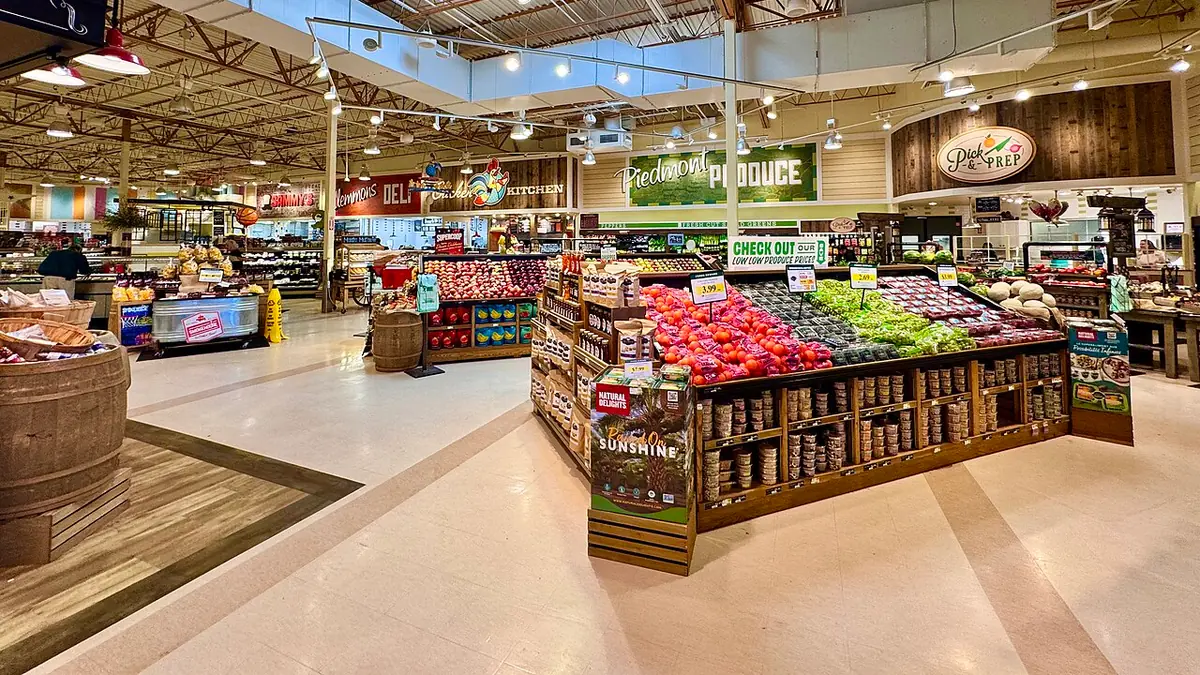
Ticino shopping outlets: when convenient for border crossers. CH-IT cost analysis, EUR/CHF exchange and planning acquired cross-border.
Context
In brief
- Ticino outlets attract cross-border workers seeking competitive prices between Switzerland and Italy
- Convenience depends on EUR/CHF exchange rate, transportation costs, and product category
- Planning purchases considering time, distance, and exchange rate is essential
Key facts
- What: Price comparison and shopping convenience between CH and IT for cross-border workers
- Where: Ticino, main commercial hubs near border crossings (Chiasso, Brogeda)
- Who: Cross-border workers and trans-border residents working in Switzerland
- When: During standard business hours, integrated with daily commute
- Decisive factor: EUR/CHF exchange rate, travel costs, and purchase category
Cross-border workers and border residents represent an important segment of those who frequent Ticino's shopping centers and outlets, driven by a simple question: where does it really pay to shop between Switzerland and Italy? The reasoning starts from a well-established observation: retail prices in Switzerland are generally higher than in Italy, but this comparison must take into account the EUR/CHF exchange rate, customs dynamics, and travel costs.
For cross-border workers in Switzerland, Ticino represents an intermediate alternative between Italian convenience and Swiss accessibility. Ticino's outlets and shopping centers offer a unique commercial proposition: geographically located along the border, they allow trans-border workers to organize purchases during their daily commute or on days off, without having to plan long trips to Italian inland centers.
Why cross-border workers choose Ticino as a shopping destination
The price factor remains central, but it is not the only one: quality, variety of offerings, ease of return, and geographical proximity also play a decisive role. Shopping in Switzerland guarantees CH regulatory standards (product compliance, recognized warranty), while purchases in Italy offer lower prices but with different consumer protections. For those living near the border (Chiasso, Mendrisio, Brogeda), Ticino represents the ideal compromise: lower prices than central Switzerland, but easier access than Italian inland centers. Those living further north (Bellinzona, Locarno) face longer journeys that increase the actual cost of the trip. Use our EUR/CHF exchange rate comparator to check current rates before any significant cross-border purchase: this tool allows you to instantly calculate whether the discount in the foreign country compensates for the unfavorable exchange rate.
Operational details
Convenience comparison: the hidden costs that change the result
Many cross-border commuters make the most obvious calculation: "The price in Italy is 30% lower, so I'll buy there." But the final bill often surprises. The EUR/CHF exchange rate fluctuates continuously, and a difference of a few cents can cancel out the initial price advantage. Let's consider a practical scenario: a piece of clothing costs 50 EUR in Italy and 95 CHF in Switzerland. At first glance, the Italian convenience seems evident. But if the exchange rate is 1.10 CHF per euro, the Italian item actually costs 55 CHF — a discount of 40 CHF, not the initial 50% perceived. Add the cost of fuel, parking or public transport, the time invested and the opportunity cost of the day, and the convenience is further reduced.
For product categories with low price elasticity (food, daily consumer goods), Ticino and Switzerland offer internationally recognized quality and traceability standards. For durable goods and clothing, the comparison is more complex: Italy offers lower prices, but the cross-border commuter must evaluate whether the discount really compensates for the additional transport costs and time spent.
Which practical strategy is convenient for cross-border commuters
A pragmatic strategy for many cross-border commuters is "on the way" or "on occasion" shopping: acquiring items related to work or routine during daily trips to Switzerland, rather than planning dedicated shopping trips. In this case, Ticino outlets become opportunistic stops, not primary destinations. Those residing in the border area (Chiasso, Brogeda) benefit from reduced access times; those living further inland face significant travel. Our cost of living calculator integrates prices, taxes and geographical factors, helping you choose where to make purchases more strategically. For high-value purchases (brand clothing, electronics), a planned trip to Ticino or Italy may be convenient; for small routine purchases, the transport cost generally does not justify it.
Useful tools to protect your net income
To reduce FX leakage, compare CHF-EUR exchange options and banks for cross-border workers.
Key points
How to organize: practical procedure and tools for cross-border workers
Cross-border workers who wish to optimize their cross-border shopping can adopt a systematic procedure.
Step 1: Define the categories of purchases. Decide which goods you buy locally in Switzerland, which in Italy, and which in Ticino as a compromise. Food, clothing, electronics, and furniture require different calculations and respond differently to price advantages and exchange rates.
Step 2: Monitor the EUR/CHF exchange rate in real-time. Consult current quotes before significant purchases. Our EUR/CHF exchange rate comparator offers instantly updated quotes, allowing you to calculate the real price in CHF of any item offered in EUR.
Step 3: Know the hours and waiting times at border crossings. Waiting times at the border (Chiasso, Brogeda, Gaggiolo, Ponte Tresa) vary significantly throughout the day. Planning the transfer during times of lower traffic reduces the opportunity cost of the trip and increases the utility of the journey.
Step 4: Calculate the total cost of the trip. Include fuel, parking, toll (if applicable), time, and fatigue. An item purchased with a 2 EUR discount is not worth it if the cost of the trip is 15 CHF.
Step 5: Verify consumer rights. Purchases in Switzerland are protected by CH regulations; purchases in Italy follow EU/Italian regulations. In case of return or complaint, verify the regulations of the country of purchase and the return times accepted by the seller.
Available tools to optimize your cross-border purchases
Use our EUR/CHF exchange rate comparator to check current quotes before each significant purchase. This tool instantly calculates whether the discount in the foreign country compensates for the exchange rate. For a broader assessment of the cost of living between Ticino and Italian border areas, our cost of living calculator integrates prices, taxes, and geographical factors. Cross-border workers who plan their commercial transfers can consult the traffic history at Ticino borders to identify times of lower traffic at border crossings.
There is no universal answer to "where is it worth shopping": it depends on your location, your work times, the product category, and exchange rate fluctuations. The key is to make the calculation explicit, supported by real data. Consult our tools to make informed decisions that maximize your actual savings, not just perceived savings.
Frequently Asked Questions
- What price difference should I expect between Ticino outlets and Italian stores near the border?
- The difference varies by category: food 5-15%, clothing 20-40%, electronics 10-25%. However, the discount perception is frequently higher than the real savings after correct conversion to the EUR/CHF exchange rate. Items that look 30% cheaper in EUR could cost the same or more in CHF if the exchange rate is unfavourable. Use our comparator to calculate the actual price.
- Is it worth shopping in Italy if I live in Lugano, Bellinzona or Locarno?
- It depends on the category of acquired and the current exchange rate. For high-value goods (branded clothing, electronics), a planned trip to Italian centres may be convenient, especially if you take advantage of seasonal occasions. For routine acquisitions, the cost of transportation and time generally do not justify it. Consider the total cost of the trip, including fuel and parking, before you decide.
- How do I take the EUR/CHF exchange rate into account in my convenience calculation?
- Multiply the price in EUR by the current exchange rate (e.g. 50 EUR × 1.10 CHF/EUR = 55 CHF). Compare this figure with the price in CHF in the country of departure. Add the costs of transportation, parking, time, and fatigue to calculate true convenience. Our gearbox comparator automates this calculation.
- What are the typical opening hours of Ticino shopping centres and outlets?
- Standard hours are Monday-Saturday 9:00-19:30, with Sunday closures in most municipalities (with exceptions for some outlets). Hours vary by centre and by season (sales periods). We recommend checking the specific times of the centre you intend to visit directly before planning your transfer.
- Are my consumer rights the same as those acquired in Switzerland and Italy?
- No. Those acquired in Switzerland are protected by CH standards (including the 2-year legal guarantee for hidden defects); those acquired in Italy follow EU/Italian legislation. Ticino applies CH protections. In the event of a return or complaint, check the regulations of the country of purchase and the return terms accepted by the seller.
Related articles
- All articles: Franc and prices
- Shopping outlet Ticino: guida ai centri commerciali
- Conviene fare il frontaliere? Svizzera o Italia, il confronto 2026
- Shopping in Italia per 700 milioni: svizzeri preferiscono
- Trasporti pubblici da record: treni più cari o più affollati per i frontalieri?
- Quando conviene cambiare franco per euro