Finding a home in Ticino: the real estate market in 2026
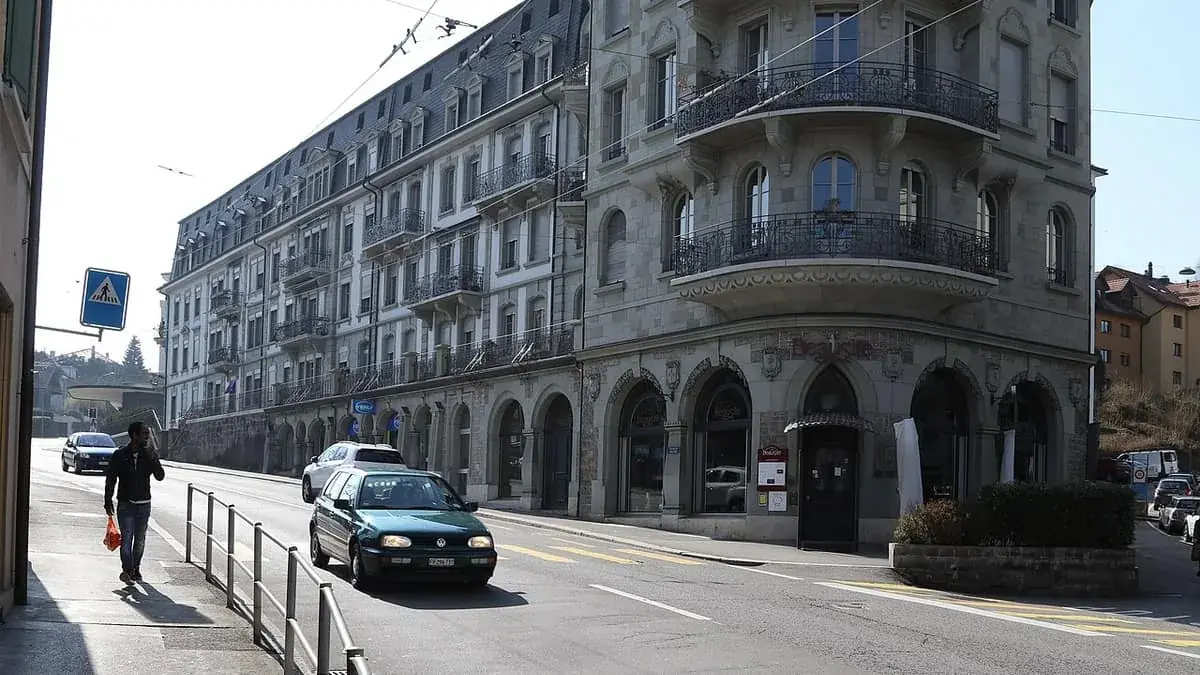
Over the past 5 years, the number of vacant rental properties in Switzerland has plummeted by nearly 40%, significantly impacting the Canton of Ticino.
Context
TL;DR
- Ticino housing
- Rents rising
- Supply low
Key facts
- Vacant: 5,941 in 2021, 3,980 in 2025
- Decrease: 33% in 5 years
- Rent increase: 10% in 5 years
- Average rent: 2,500 CHF in Lugano, 2,200 CHF in Bellinzona
- Tax incentives: Up to 50,000 CHF for rent-controlled properties
- Population growth: 250,000 in 5 years
- Vacancy rate: 1.92% in Ticino
The current situation
Over the past five years, the number of vacant rental properties in Switzerland has decreased by nearly 40%. This significant drop directly impacts the Canton of Ticino, where the situation is particularly critical. According to Confederation statistics, in 2021 there were 5,941 vacant rental properties in Ticino, while in 2025 this number dropped to 3,980, a 33% contraction. Properties for sale have also decreased, from 1,076 to 956.
Data by municipality
- Lugano: In 2021, the number of vacant properties was 1,200, while in 2025 it dropped to 780.
- Bellinzona: From 500 to 320 vacant properties.
- Locarno: From 350 to 230 vacant properties.
- Chiasso: From 150 to 90 vacant properties.
Causes of the decline
High demand, elevated construction costs, and a scarcity of supply are among the main causes of this situation. The Swiss population has increased by approximately 250,000 inhabitants over the past five years, while the number of available properties has decreased. This imbalance has led to an increase in rents, which have risen by an average of about 10% over five years.
Regulations and incentives
Since 2023, the Canton of Ticino has introduced incentives for the construction of new properties, including:
- Tax breaks for builders who create rent-controlled properties.
- Non-refundable contributions up to 50,000 CHF for projects that include at least 30% rent-controlled properties.
The impact on cross-border workers
Cross-border workers who work in Switzerland and reside in Italy are particularly affected by this situation. The search for a property becomes increasingly competitive, lengthy, and costly. Families with low and middle incomes struggle to find properties within their reach, especially in large urban centers like Lugano and Bellinzona.
Comparison with other cantons
Ticino is not the only canton affected by this situation. In other Swiss cantons, such as Zurich, Bern, Vaud, and Geneva, the number of vacant properties has also significantly decreased. However, Ticino has a vacancy rate of 1.92%, making it relatively better supplied compared to other regions.
Checklist for property search
1. Define the budget: Calculate 30% of your monthly income as the maximum expense for rent. 2. Choose the area: Evaluate the proximity to the workplace and essential services. 3. Required documentation: Prepare work contract, recent pay slips, references, and identity documents. 4. Property visits: Plan visits to available properties and ask questions about the contract and additional expenses. 5. Rental contract: Read the contract carefully and ensure you understand all clauses before signing.
Concrete examples
- Average rent in Lugano: A 60 m² apartment costs on average 2,500 CHF per month, a 15% increase compared to 2021.
- Average rent in Bellinzona: A 60 m² apartment costs on average 2,200 CHF per month, a 12% increase compared to 2021.
Practical scenarios
- Cross-border worker with average income: A cross-border worker with a monthly income of 6,000 CHF can afford a maximum rent of 1,800 CHF. In Lugano, this amount could cover a 50 m² apartment on the outskirts.
- Family with two children: A family with a monthly income of 8,000 CHF can afford a maximum rent of 2,400 CHF. In Bellinzona, this amount could cover an 80 m² apartment in a residential area.
Conclusion
The situation of the real estate market in Ticino remains critical, with a significant impact on cross-border workers. However, with careful planning and targeted research, it is possible to find adequate housing solutions.
Operational details
Practical Analysis: Implications for Cross-Border Workers
The current situation in the Ticino real estate market has several implications for cross-border workers. Finding accommodation is becoming increasingly competitive, with dozens of applications and queues for viewings. Rents have increased, making it harder for low- and middle-income families to find affordable housing. According to data from the Federal Statistical Office, in 2025 the average rent for a 3-room apartment in Lugano was 2,500 CHF, a 15% increase compared to 2021.
Before/After Comparison
Before 2021, finding accommodation in Ticino was relatively easier. The population was more stable and the number of available properties was higher. Today, the situation has changed radically, with an increase in demand and a decrease in supply. This has led to higher prices and greater competition. For example, in 2021, the average rent for a 3-room apartment in Bellinzona was 1,800 CHF, while in 2025 it rose to 2,200 CHF.
Concrete Scenarios
For cross-border workers looking for accommodation in Ticino, it is important to consider various options. For example, they might consider living in less central municipalities, where prices might be more affordable. For example, in Mendrisio, the average rent for a 3-room apartment was 2,000 CHF in 2025, compared to 2,500 CHF in Lugano.
Concrete Procedures
1. Online search: Use specialized websites for finding accommodation in Ticino, such as Homegate.ch or Immoscout24.ch. 2. Visiting real estate offices: Contact local real estate agencies for information on available properties. For example, the agency Immobiliare Ticino has offices in various cities in the canton. 3. Participation in real estate fairs: Attend events dedicated to the real estate market to find interesting offers. For example, the Lugano Real Estate Fair is held every year in March. 4. Consultation of local advertisements: Monitor local newspapers and advertising websites to find rental or purchase opportunities. For example, the newspaper Ticino Online publishes real estate advertisements every week.
Operational Checklist
- Define the budget: Set a monthly budget for rent and other ancillary costs.
- Identify needs: Decide on the number of rooms, location, and features of the accommodation.
- Prepare documentation: Ensure you have all the necessary documents for the rental application, such as the employment contract and references.
- Visit accommodations: Plan visits to available accommodations and ask questions about the contract and rental conditions.
- Compare offers: Compare different offers and evaluate the pros and cons of each.
Comparisons Between Practical Scenarios
- Rent vs. Buy: In 2025, the average price of a 3-room apartment in Lugano was 1,200,000 CHF, a 20% increase compared to 2021. Buying might be advantageous in the long run, but it requires a significant initial investment.
- Central vs. Peripheral Municipalities: In Lugano, the average rent for a 3-room apartment was 2,500 CHF in 2025, while in Mendrisio it was 2,000 CHF. Living in peripheral municipalities might be cheaper, but it could involve longer commuting times.
"Finding a home in Ticino requires patience and strategy. It's important to be prepared and have a clear plan before starting the search." - Ticinese real estate expert
Regulations and Important Dates
- Right of Residence Law: Ticinese law on the right of residence allows cross-border workers to rent a home in Ticino, but they must meet certain conditions, such as having an indefinite employment contract.
- Rent Increases: Since 2021, rents in Ticino have increased by 15% due to higher demand and lower housing supply.
- Tax Incentives: Cross-border workers can benefit from certain tax incentives, such as the deduction of commuting expenses, but they must meet certain conditions, such as having an indefinite employment contract.
Concrete Examples
- Success Story: A cross-border worker employed in Lugano found a 3-room apartment in Mendrisio for 2,000 CHF per month, saving 500 CHF compared to the average price in Lugano.
- Unsuccessful Case: A cross-border worker looking for an apartment in Lugano had to deal with dozens of applications and queues for viewings, without success. He decided to look for accommodation in a peripheral municipality, such as Massagno, where he found an apartment for 2,200 CHF per month.
Conclusion
Finding a home in Ticino in 2026 requires careful planning and a well-defined strategy. It's important to consider different options, such as living in less central municipalities or buying a home, and to follow concrete procedures to find the ideal home. Additionally, it's crucial to know the regulations and important dates to avoid problems during the search and the rental contract.
Useful tools to protect your net income
To reduce FX leakage, compare CHF-EUR exchange options and banks for cross-border workers.
Key points
Concrete actions to find a home in Ticino
For cross-border workers looking for accommodation in Ticino, it's important to follow a step-by-step procedure to maximize the chances of success. Here are some concrete steps to follow, enriched with practical examples and information updated to 2026.
Steps to follow
1. Define the budget: Establish a clear and realistic budget for renting or buying a home. In Ticino, the average cost of renting a 3-room apartment ranges from 2,500 to 3,000 CHF per month in cities like Lugano and Bellinzona, while in smaller towns like Mendrisio or Locarno, prices can drop to 1,800 to 2,200 CHF. For purchasing, the average price per square meter varies between 10,000 and 15,000 CHF, depending on the location.
2. Online search: Use websites specialized in finding accommodation in Ticino, such as SoloAffitti. These portals offer advanced filters that allow you to select accommodation based on specific criteria, such as proximity to public transport or the presence of essential services. For example, a search for an apartment in Lugano with at least 2 bedrooms and a private parking space could return about 50-70 results.
3. Visits to real estate offices: Contact local real estate agencies to get information about available accommodations. Companies like Engel & Völkers or Immobiliare Ticino offer personalized consulting services. It is advisable to schedule an appointment and present a complete dossier, which includes identity documents, income certificates, and references.
4. Participation in real estate fairs: Participate in events dedicated to the real estate market to find interesting offers. The Ticino Real Estate Fair, which is held every year in Lugano, is an excellent opportunity to meet property owners and real estate agents directly. In 2025, the fair recorded over 10,000 visitors and 200 exhibitors.
5. Consultation of local ads: Monitor local newspapers and ad sites to find rental or purchase opportunities. The daily newspaper 'La Regione Ticino' publishes a weekly section dedicated to real estate ads. Additionally, sites like Annabella offer a wide range of ads updated daily.
6. Use of online tools: Use tools like the salary calculator to evaluate your spending capacity. For example, a cross-border worker with an annual gross salary of 80,000 CHF should consider rent that does not exceed 30% of the net income, i.e., about 1,800-2,000 CHF per month.
Operational checklist
- Required documents: Passport or identity card, income certificate, bank references, work contract.
- Budget: Calculate monthly expenses, including utilities and insurance.
- Location: Evaluate proximity to the workplace and essential services.
- Visits: Plan visits to selected accommodations, preferably on weekends.
- Contract: Read the rental or purchase contract carefully before signing.
Comparisons between practical scenarios
- Scenario 1: A cross-border worker who works in Lugano and is looking for a rental apartment might opt for accommodation in Massagno, where prices are slightly lower than in the city center. A 3-room apartment in Massagno could cost around 2,200 CHF per month, compared to the 2,800 CHF required in Lugano.
- Scenario 2: A cross-border worker who prefers to buy a property might consider towns like Mendrisio or Chiasso, where the prices per square meter are more affordable. For example, a 70 sqm apartment in Mendrisio could cost around 700,000 CHF, compared to the 1,050,000 CHF required in Lugano.
Regulations and amounts
As of January 1, 2026, the Canton of Ticino has introduced new regulations to regulate the real estate market. In particular, a maximum ceiling for rents has been established, which cannot exceed 10% of the cadastral value of the property. Furthermore, for cross-border workers, it is mandatory to present a valid residence permit and an open-ended work contract to be able to access a bank mortgage.
Conclusion
The situation of the real estate market in Ticino is complex, but with careful planning and the use of adequate tools, it is possible to find accommodation suitable for your needs. Use the salary calculator to evaluate your spending capacity and start your search with SoloAffitti.
Source: tvsvizzera.it
Frequently Asked Questions
- What are the main causes of the decrease in available housing in Ticino?
- The main causes of the decrease in available housing in Ticino are high demand, elevated construction costs, and a shortage of supply. The population has increased significantly in recent years, while the number of available homes has decreased.
- How can I find a home in Ticino?
- To find a home in Ticino, you can use specialized websites, contact local real estate agencies, attend real estate fairs, and monitor local ads. Use tools like the salary calculator to evaluate your spending capacity.
- What are the implications for cross-border workers seeking a home in Ticino?
- Cross-border workers seeking a home in Ticino face greater competition and higher prices. It is important to consider options such as living in less central municipalities or evaluating the purchase of a home.
Related articles
- All articles: Housing and rent
- Guida alla Svizzera: cosa sapere per lavorare in Ticino
- Come trovare lavoro in Ticino da frontaliere: guida aggiornata 2026
- Verità Immobiliari: strategie per il mercato ticinese
- Frontalieri: spese in Svizzera e casa in Italia, come trovare l'equilibrio
- Il mercato immobiliare in Ticino: prezzi medi per zona, tendenze recenti