Cross-border workers: balancing Swiss spending and Italian homes
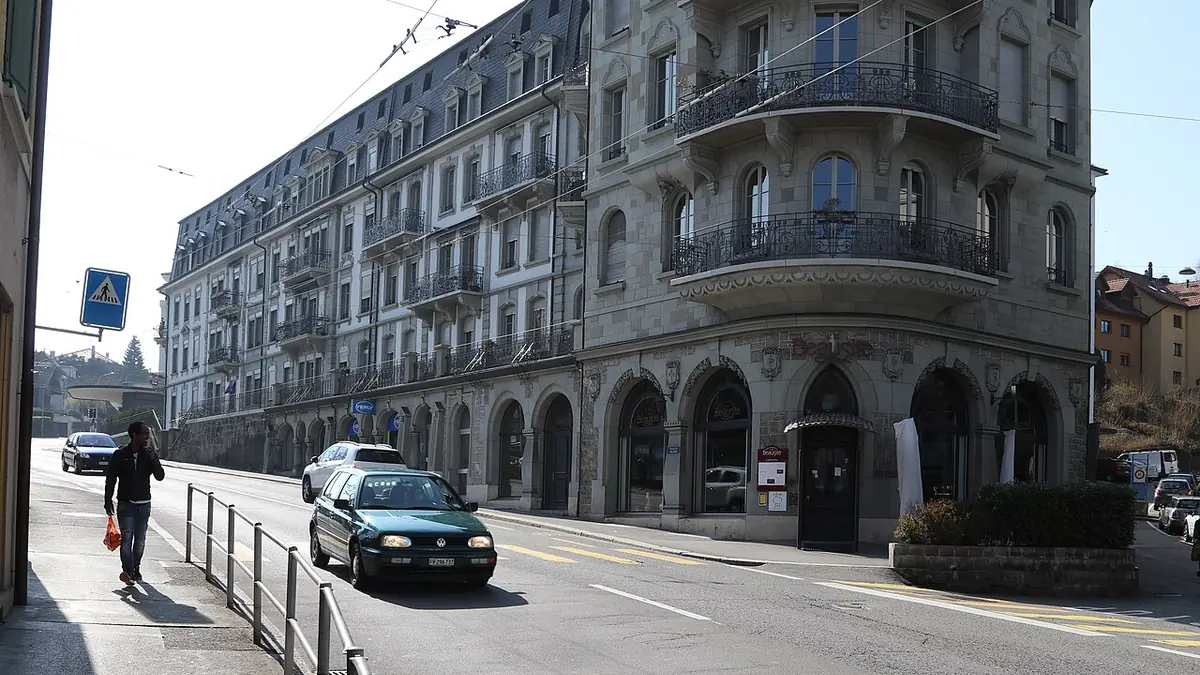
Earning in francs and living in euros: how to best manage expenses between the two countries after the new tax agreement
Context
In brief
- Living in Italy is cheaper for cross-border workers
- New tax agreement from January 1st, 2024
- CHF/EUR exchange rate affects daily expenses
Key facts
- What: New Italy-Switzerland tax agreement
- When: From January 1st, 2024
- Where: Canton Ticino and Italian border regions
- Who: Cross-border workers employed in Switzerland
- Amount: Significant savings on rents and bills in Italy
Earning in Swiss francs and living in euros is no longer an automatic formula for economic advantage. For cross-border workers who work in Switzerland and reside in Italy, managing daily expenses requires increasing attention, especially after the entry into force of the new tax agreement between the two countries. The choice to live in Italy and work in Switzerland remains central for many, but spending dynamics have become more complex.
Rent and bills in Italy
Living in Italy is not just a preference but an economic necessity for most cross-border workers. Rents in Italian border areas, such as Como, Varese, and Verbano-Cusio-Ossola, are significantly lower than in Switzerland. This helps to contain the most difficult expense to compress. Moreover, living in Italy also means lighter bills and more accessible services, making family management generally more sustainable.
New tax agreement
With the entry into force of the new Italy-Switzerland bilateral agreement (Law no. 83/2023, applicable from January 1st, 2024), so-called 'new cross-border workers' — those who started working in Switzerland after July 17th, 2023 — are subject to concurrent taxation between the two countries. It is no longer sufficient to look at the net salary: one must consider a more articulated tax framework, involving both the Swiss administration and the Italian Revenue Agency. 'Old cross-border workers,' hired before that date, maintain the exclusive taxation regime in Switzerland.
Expenses in Switzerland
If the house remains anchored to Italy, consumption tells a more nuanced story. Many cross-border workers continue to shop in Switzerland, not always for strict convenience. There is an almost automatic dynamic: those who earn in francs tend to spend in francs without fully perceiving the real cost. However, for many basic products, doing the weekly shopping on the Italian side of the border can result in significant savings, especially for large families.
CHF/EUR exchange rate
An often underestimated aspect is the exchange rate between the Swiss franc and the euro. This detail affects the daily life of cross-border workers, influencing purchasing power and expense management. The fluctuating exchange rate requires constant attention to avoid economic surprises.
Spending strategies
The life of a cross-border worker today is less and less a choice between two options and more and more a calibrated combination. Some buy fresh products in Italy and specific items in Switzerland. Others refuel where it is most convenient at that moment. Some use the Swiss supermarket only for quick purchases, reserving the weekly shopping for the Italian side. It is a sort of 'dual-track' personal economy, built over time through trials, errors, and consolidated habits.
Flexibility and adaptation
It is not about applying rigid formulas but reading one's own situation and adapting. In this context, flexibility is worth any specific saving. The ability to adapt and the careful management of expenses have become fundamental for cross-border workers who want to maintain stable economic balance.
Operational details
Practical implications of the new tax agreement
The new tax agreement has introduced significant changes for cross-border workers, particularly for 'new cross-border workers'. The latter must now consider concurrent taxation between Italy and Switzerland, which requires more careful tax planning. It is important to consult an accountant experienced in cross-border taxation to optimize the tax return and avoid double payments.
Comparison between old and new cross-border workers
'Old cross-border workers', hired before July 17, 2023, continue to benefit from the regime of exclusive taxation in Switzerland. This means they pay taxes only in Switzerland and do not have to worry about double taxation. For 'new cross-border workers', however, the situation is more complex and requires more accurate management of tax declarations.
Savings strategies
To maximize savings, cross-border workers can adopt various strategies. For example, doing weekly shopping in Italy for basic products and only buying specific products in Switzerland. Additionally, it is possible to save on fuel by choosing the cheapest gas stations, both in Italy and Switzerland. Another effective strategy is to use online price comparison services to find the best deals on goods and services.
Impact of the CHF/EUR exchange rate
The exchange rate between the Swiss franc and the euro can have a significant impact on the purchasing power of cross-border workers. It is important to constantly monitor the exchange rate and adjust spending accordingly. For example, if the euro weakens against the Swiss franc, it may be advantageous to make more purchases in Switzerland. Conversely, if the euro strengthens, it may be more convenient to shop in Italy.
Managing bills
Bills in Italy are generally lower compared to those in Switzerland. This represents an additional advantage for cross-border workers who choose to live in Italy. However, it is important to compare the offers of various service providers to ensure the most advantageous rates. Using online comparators can be an effective way to find the best deals.
Financial planning
Accurate financial planning is essential for cross-border workers. This includes managing daily expenses, planning holidays, and preparing for potential emergencies. It is useful to create a monthly budget and monitor expenses to ensure you stay within the planned limits. Additionally, it is important to set aside part of your income for unexpected expenses and for the future.
Use of online tools
There are numerous online tools that can help cross-border workers better manage their finances. For example, price comparators can be used to find the best deals on goods and services. Additionally, there are applications that allow you to monitor expenses and create budgets. Using these tools can simplify financial management and help save money.
Useful tools to protect your net income
To reduce FX leakage, compare CHF-EUR exchange options and banks for cross-border workers.
Key points
Practical Steps for Cross-Border Workers
To best manage expenses between Italy and Switzerland, cross-border workers can follow some practical steps. First, it's important to make an inventory of fixed and variable expenses. This will help identify areas where savings are possible. Next, it's useful to compare the prices of basic goods between Italy and Switzerland to determine where it's more convenient to shop.
Creating a Monthly Budget
Creating a monthly budget is a fundamental step in managing finances. This includes estimating monthly income and expenses and planning spending. It's important to include all fixed expenses, such as rent, utilities, and transportation costs, as well as variable expenses, such as food and entertainment. Monitoring monthly expenses can help stay within budget and identify areas where savings are possible.
Using Price Comparison Tools
There are numerous online price comparison tools that can help cross-border workers find the best deals on goods and services. These tools allow comparing prices from different providers and finding the most advantageous offers. Using these tools can simplify the search for the best deals and help save money.
Planning Holidays
Planning holidays in advance can help save money. It's useful to compare offers from different travel providers and choose the most convenient option. Additionally, it's important to consider transportation and accommodation costs and plan accordingly. Using price comparison websites can be an effective way to find the best deals.
Preparing for Emergencies
Preparing for emergencies is essential for managing finances. It's useful to set aside part of the income for unexpected expenses, such as car repairs or medical expenses. Additionally, it's important to have an emergency fund that can cover basic expenses for at least three months. This can provide financial security in case of unforeseen events.
Using Financial Management Tools
There are numerous financial management tools that can help cross-border workers manage their finances better. For example, budgeting apps can be used to monitor expenses and create budgets. Additionally, there are tools that allow monitoring the exchange rate between the Swiss franc and the euro and adjusting expenses accordingly. Using these tools can simplify financial management and help save money.
Conclusion
Managing expenses between Italy and Switzerland requires attention and planning. By following the practical steps described in this article, cross-border workers can optimize their finances and find the right balance between living in Italy and working in Switzerland. Using price comparison and financial management tools can simplify financial management and help save money. For more information and to use our cross-border expense calculator, visit our website calculator.
Source: tio.ch
Frequently Asked Questions
- What are the advantages of living in Italy and working in Switzerland?
- Living in Italy and working in Switzerland offers numerous advantages, including lower rents and utility bills, more accessible services, and generally more sustainable family management. Additionally, the purchasing power of Swiss francs in Italy is usually higher compared to the euro.
- How can I optimize my expenses between Italy and Switzerland?
- To optimize expenses between Italy and Switzerland, it's important to take inventory of fixed and variable expenses, compare the prices of basic products between the two countries, and use online price comparison tools. Additionally, it's useful to create a monthly budget and monitor expenses to stay within the planned limits.
- What are the implications of the new tax agreement for cross-border workers?
- The new tax agreement introduces a concurrent taxation between Italy and Switzerland for 'new cross-border workers', i.e., those who started working in Switzerland after July 17, 2023. This requires more careful tax planning and consultation with an accountant experienced in cross-border taxation.