Canicola in the drains north of the Alps. The south still needs patience (cross-border guide)
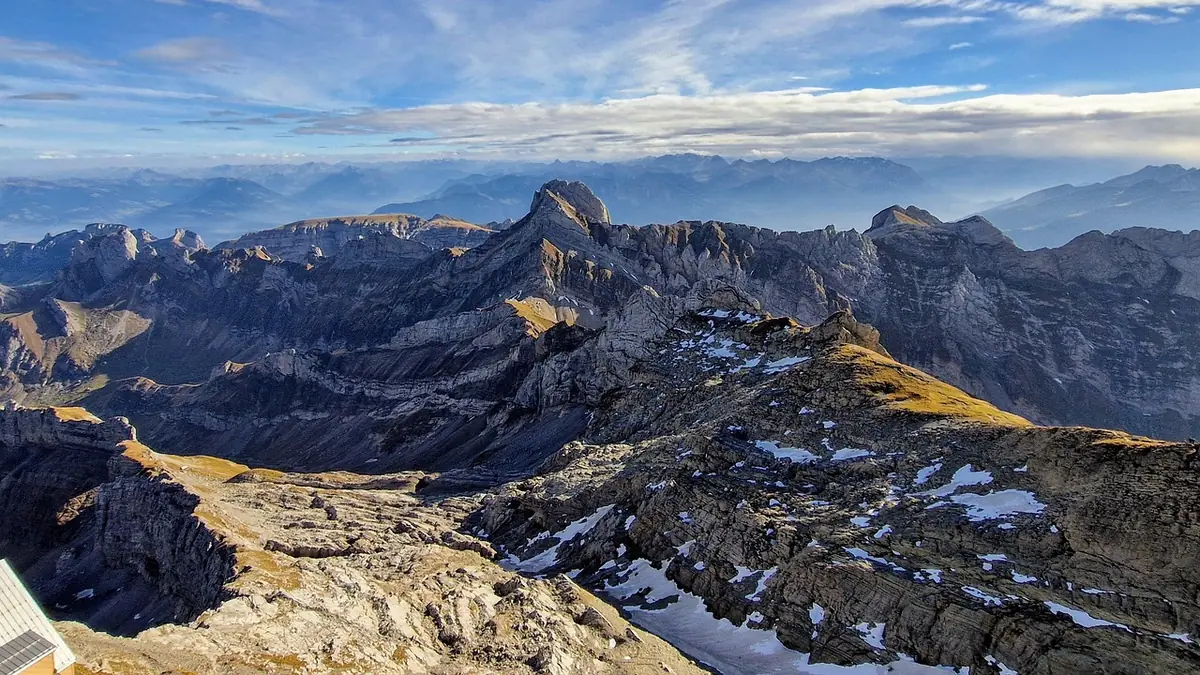
Last day of extreme heat in the northern Alps, Switzerland. In the south, on the other hand, temperatures are still high until the middle of next week.
Context
In short
- The heatwave ends tomorrow in the north of the Alps
- Temperatures dropping between 18-21°C on the north side
- To the south, intense heat still until midweek
- Heatwave alert level 4 in some regions
- Storm tracts coming in
Key facts
- What : End of the extreme heatwave
- When: Tomorrow, in Switzerland
- Where: North of the Alps, Valais, Ticino
- Who: Federal Office of Meteorology WeatherSwitzerland
- Amount: Heatwave danger levels 4 and 3 Today represents the latest extreme heatwave in much of Switzerland, with heatwave danger levels 4 (strong) and 3 (marked) in several regions. According to MeteoSwitzerland, an area of high pressure that has dominated weather conditions for days is shifting towards Eastern Europe. This shift will lead to a progressive drop in temperatures over the northern Alps, where a decrease to 18-21°C is expected overnight between Sunday and Monday. Monday will see temperatures between 27 and 31°C in the north, while in the south, including Ticino, the intense heat will continue at least until the middle of next week, especially in urban areas. The meteorological office maintained levels of doggy danger in several areas, reporting high risks to health and agriculture. Storms are expected in some areas, while the highest temperatures are still concentrated in the south of the country.
Implications and scenarios
For border workers in Ticino,
Operational details
The analysis of the weather conditions in Ticino and the rest of Switzerland shows how the change in weather conditions directly affects the lives of border workers. The massive heatwave, which has reached record levels in some regions, is about to be replaced by milder temperatures, but the differences between the north and south of the country remain significant. The expected drop in temperatures in the north of the Alps, between 18 and 21°C, is a relief for commuters and outdoor activities. However, the prolongation of the intense heat in the south, until midweek, keeps the focus high on risks of heat stroke, dehydration and public health problems. The presence of announced thunderstorms may represent a further variable in this transition phase. For border crossers who cross the crossings such as Brogeda, Chiasso or Gaggiolo, it is advisable to monitor the forecasts and plan the routes avoiding the hottest hours. The difference in temperature between the Italian and Swiss areas also translates into different energy consumption, with an increase in the demand for air conditioners and cooling in the cities of Ticino. Swiss authorities continue to maintain high alert levels, signaling that higher temperatures will remain in the south, also affecting agricultural activities and energy distribution networks. It is useful to consider that weather change can lead to increased thunderstorms and rainfall, which
Useful tools to protect your net income
To reduce FX leakage, compare CHF-EUR exchange options and banks for cross-border workers.
Key points
To better cope with this weather situation, border workers in Ticino must adopt some simple but effective strategies. First of all, check the official weather forecasts, available on the MeteoSwitzerland website, on a daily basis to check for temperature changes and weather alerts. Second, plan your commute to and from work to avoid the hottest hours, preferably in the morning or late evening. A useful checklist includes: - Check traffic conditions at major crossings such as Chiasso and Gaggiolo. - Make sure you have water and sunscreen with you. - Respect for cooling breaks during outdoor activities. - Adapt clothing with lightweight and breathable garments. If you use car sharing or have a car, check the status of the vehicle and the operation of the air conditioner. Please note that in the event of thunderstorms, it may be necessary to change travel plans or postpone some activities. For outdoor workers, it is essential to respect breaks and hydrate frequently, avoiding prolonged exposure to the sun. Health authorities recommend eating light meals and dressing in appropriate clothing. Finally, we recommend downloading tools such as our tax calculator or the CHF/EUR exchange rate comparator, to better plan expenses and travel times. Intelligent time management and preparation
Source: tio.ch
Frequently Asked Questions
- When will the heat wave in the northern Alps end?
- The heatwave will end tomorrow, according to MeteoSwitzerland, with a drop in temperatures over the northern Alps to 18-21°C.
- What are the current heat alert levels?
- The dog danger levels are 4 (strong) and 3 (marked) in different regions of Switzerland, maintained by the meteorological office.
- How can a frontier worker prepare for the storm?
- Following daily weather forecasts, avoiding travel during thunderstorms, and making sure you have water and protection with you.
- What tools do you use to plan your day?
- Use the temperature calculator and the CHF/EUR comparator to optimise travel times and expenses.
Related articles
- All articles: Transport and traffic
- Caldo torrido e lavoro in Ticino: sindacati chiedono misure urgenti
- Edilizia Ticino: stop a penali per caldo estremo
- Di più: Niente shorts né infradito: in Svizzera al lavoro si sfida il caldo con una certa eleganza
- Bollino rosso sull'A2 tra Chiasso e Lugano
- Alla casa di Comunità di Laveno si lavora con temperature fino a 37 gradi