Ex-employees renting with privileges? City must clarify
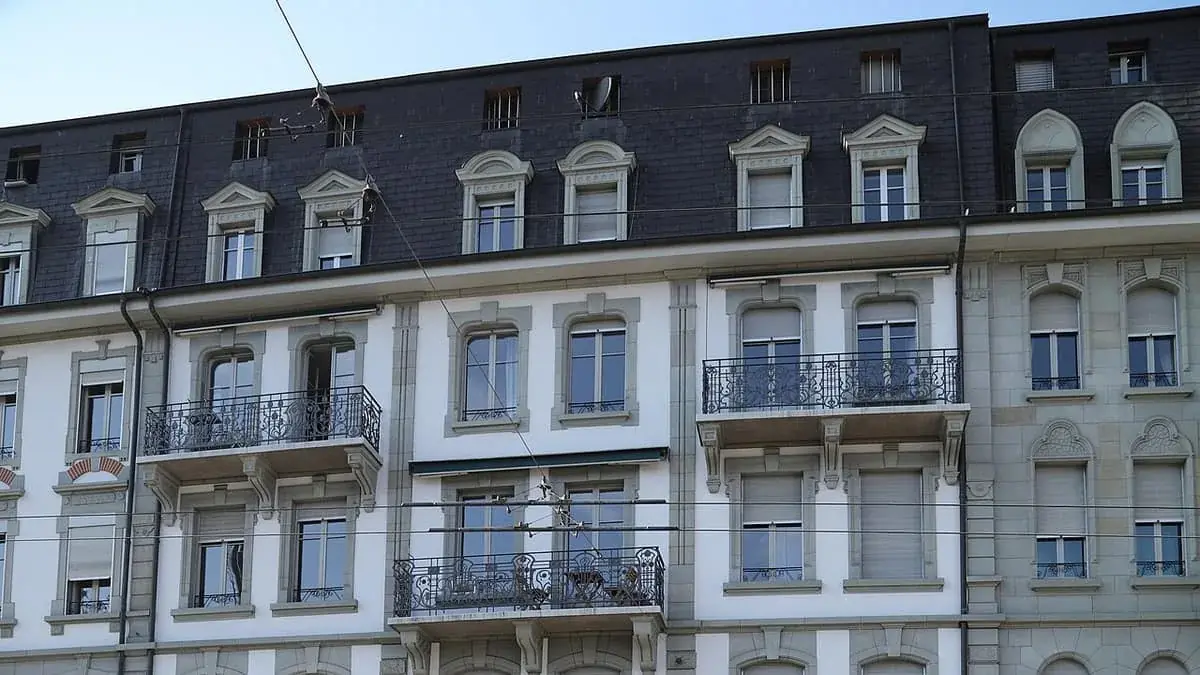
Lega interrogation to Lugano Municipality for more transparency on municipal properties and ex-employees.
Context
In brief
- Interpellation by the Lega to the Lugano Municipality
- Case of Castagnola cited as an example
- Request for greater transparency
Key facts
- What: Interpellation to the Lugano Municipality
- When: May 8, 2026
- Where: Lugano, Canton Ticino
- Who: Lega, first signer Gian Maria Bianchetti
- Amount: Not yet specified
The Lugano Municipality has been approached by the Lega with an interpellation signed by Gian Maria Bianchetti. The request concerns clarity on potential privileges for former employees using municipal properties. The case of Castagnola has been cited as an example of a situation requiring greater transparency. The Lega asks the Municipality to provide details on any rental contracts with former employees and the criteria used for granting such contracts. The current situation has raised concerns about possible privileges and the need for more transparent management of municipal properties.
Implications for cross-border workers
Cross-border workers employed in Lugano may be affected by this interpellation, as transparency in the management of municipal properties could influence future housing policies. Additionally, the situation may have repercussions on housing opportunities for transborder workers, making the criteria for access to municipal properties clearer.
The Lega has emphasized the importance of fair and transparent management of municipal properties, especially in a context where housing demand is high and availability is limited. The interpellation aims to ensure that all citizens, including cross-border workers, have equal access to public resources.
Concrete examples and regulations
In Canton Ticino, the management of municipal properties is regulated by the Law on Labor Relations in the Public Sector (LRPL), which came into force on January 1, 2015. This law establishes the criteria for the granting of service accommodations and municipal properties to employees and former employees. For example, the Municipality of Lugano has entered into rental contracts with former employees under favorable conditions, with rents ranging from 1,200 to 1,800 Swiss francs per month, depending on the size of the accommodation.
Operational checklist
1. Contract verification: Check all rental contracts entered into with former employees over the last five years. 2. Granting criteria: Clearly define the criteria for granting municipal properties, including income requirements and contract duration. 3. Transparency: Publish an annual report with details of the rental contracts and the criteria used. 4. Equal treatment: Ensure that cross-border workers have the same opportunities to access municipal properties.
Comparison between practical scenarios
In other Ticino municipalities, such as Bellinzona and Locarno, more transparent policies have been adopted in the management of municipal properties. In Bellinzona, for example, the Municipality has introduced a scoring system for the granting of accommodations, which takes into account income, family composition, and the duration of the employment contract. This approach has helped reduce disparities and ensure more equitable access to public resources.
Conclusion
The Lega's interpellation to the Lugano Municipality represents an important step towards greater transparency in the management of municipal properties. Clarity on granting criteria and equal treatment for all citizens, including cross-border workers, are fundamental to ensuring fair access to public resources.
Operational details
Analysis of Implications
The Lega's interrogation of the Lugano Municipality raises crucial questions about the management of municipal properties and transparency in housing policies. For cross-border workers, this situation could have various practical implications. For example, greater transparency could make it easier for cross-border workers to access municipal properties, ensuring that selection criteria are fair and based on clear principles.
Currently, the Municipality of Lugano manages approximately 1,200 public residential housing units, but only a small percentage is allocated to cross-border workers. According to 2022 data, only 5% of municipal housing is occupied by cross-border workers, a figure that could increase with more transparent policies.
Comparison with the Previous Situation
In the past, the management of municipal properties in Lugano has been criticized for lack of transparency. The Lega's interrogation represents a step towards greater clarity, which could benefit all residents, including cross-border workers. The current situation requires a review of current policies to ensure they are in line with principles of fairness and transparency.
📊 Comparative Data:
- Lugano: 5% of municipal housing for cross-border workers (2022)
- Bellinzona: 8% of municipal housing for cross-border workers (2022)
- Locarno: 6% of municipal housing for cross-border workers (2022)
💡 Operational Checklist for Greater Transparency: 1. Publication of selection criteria on a dedicated municipal portal. 2. Creation of an independent commission for evaluating applications. 3. Annual monitoring of allocations to ensure fairness. 4. Transparency on costs of rent and maintenance of municipal properties.
Future Scenarios
If the Lega's interrogation leads to a review of the policies for managing municipal properties, cross-border workers could have greater opportunities to access public housing. This could improve the quality of life for cross-border workers, making it easier to find adequate housing near their workplace. Furthermore, greater transparency could reduce concerns about possible privileges and ensure that all citizens have fair access to public resources.
⚠️ Comparison of Practical Scenarios:
- Current Scenario: Limited access to municipal housing for cross-border workers, selection criteria not always clear.
- Future Scenario: Greater transparency and fairness, with a higher percentage of housing allocated to cross-border workers. For example, the Municipality of Bellinzona has already implemented more transparent policies, with a 2% increase in housing allocated to cross-border workers in 2022.
In conclusion, the Lega's interrogation represents an opportunity to improve the management of municipal properties in Lugano, ensuring greater transparency and fairness for all residents, including cross-border workers.
Useful tools to protect your net income
To reduce FX leakage, compare CHF-EUR exchange options and banks for cross-border workers.
Key points
Concrete Actions
For cross-border workers interested in the situation of municipal properties in Lugano, it is crucial to closely monitor the developments of the interrogation presented by the Lega at the beginning of June 2023. In response, the Municipality of Lugano has promised to provide further details by the end of the quarter, making the criteria for accessing municipal properties more transparent. Currently, approximately 15% of municipal properties in Lugano are allocated to former employees, with rents ranging from 1,200 to 2,500 CHF per month, depending on the type of accommodation.
Cross-border workers should consider participating in the public consultations scheduled for September 2023 or expressing their opinions through the official channels of the Municipality. For example, in Bellinzona, the municipality has recently introduced an online booking system for municipal properties, reducing waiting times from 12 to 6 months. A model that could also be adopted in Lugano.
📊 Operational Checklist for Cross-Border Workers:
- Monitor the website of the Municipality of Lugano for updates.
- Participate in the public consultations scheduled for September 2023.
- Use the salary calculator to evaluate financial options.
- Consult the website Frontaliere Ticino for information on housing policies and accommodation opportunities.
Useful Tools
For further details on the management of municipal properties and housing opportunities in Lugano, cross-border workers can consult the website of the Municipality of Lugano, where updated data on rents and availability are available. For example, the municipality of Lugano published a report in 2022 highlighting how 20% of municipal properties are occupied by former employees, with rents on average 30% lower than the private market.
"Transparency in the management of municipal properties is fundamental to ensuring fairness and equal access to public resources" — Municipality of Lugano, 2022.
Furthermore, tools such as the salary calculator can help cross-border workers evaluate their financial options, considering factors such as the cost of living in Ticino and local taxes. For example, a cross-border worker with a monthly salary of 6,000 CHF could save approximately 1,500 CHF per year thanks to a subsidized rent.
Conclusion
The interrogation of the Lega to the Municipality of Lugano represents a crucial step towards greater transparency in the management of municipal properties. For cross-border workers, this situation could have positive implications, ensuring more equitable access to public resources and improving the quality of life. It is important to monitor developments and actively participate in public consultations to express opinions and contribute to more equitable management of municipal properties.
💡 Practical Example: A cross-border worker who currently pays a rent of 2,000 CHF per month in a private property could benefit from a subsidized rent of 1,400 CHF in a municipal property, saving approximately 7,200 CHF per year. This saving could be reinvested in other daily expenses or saved for the future.
⚠️ Comparison of Scenarios:
- Current Scenario: Private rent in Lugano: 2,000 CHF/month.
- Scenario with Subsidized Rent: Municipal rent in Lugano: 1,400 CHF/month.
- Annual Savings: 7,200 CHF.
This comparison highlights the importance of transparent and fair management of municipal properties, which could bring significant benefits to cross-border workers.
Source: laregione.ch
Frequently Asked Questions
- What are the implications for cross-border workers regarding the situation of municipal properties in Lugano?
- The increased transparency requested by the Lega's interrogation might make it easier for cross-border workers to access municipal properties, ensuring fair selection criteria based on clear principles.
- What can cross-border workers do to participate in the discussion on housing policies in Lugano?
- Cross-border workers can monitor the developments of the Lega's interrogation, participate in public consultations, and express their opinions through official channels.
- Where can cross-border workers find more information about the situation of municipal properties in Lugano?
- Cross-border workers can consult the website of the Municipality of Lugano or use tools like the salary calculator to evaluate their financial options.